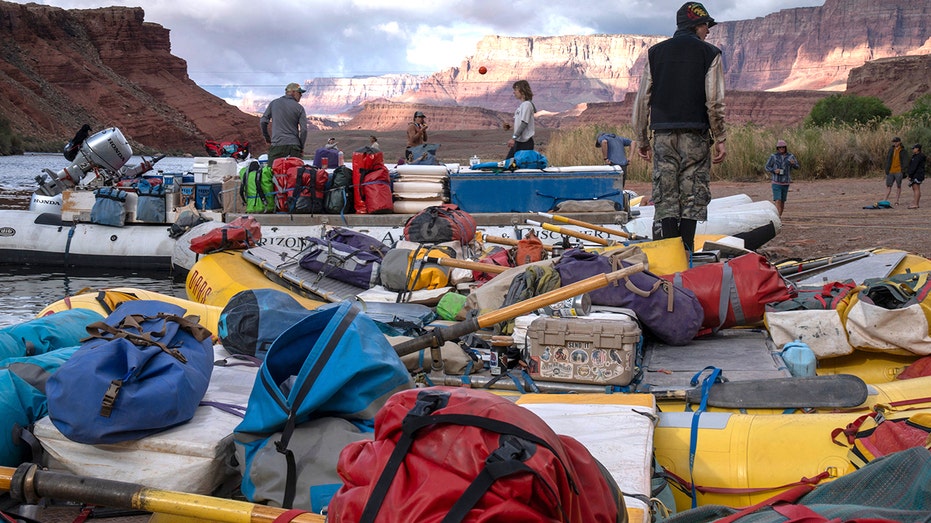
The National Park Service has launched an investigation into a cluster of unexplained illnesses affecting rafters who completed separate multi-week trips through the Grand Canyon in recent weeks.
Two groups have reported symptoms after trips that began in mid-May and mid-June, with the latter involving 16 people on a two-week journey. Multiple participants developed severe conditions after returning home, prompting medical evaluations and official scrutiny.
Reported symptoms include high fever, chills, profound fatigue, and pneumonia. Some individuals experienced more serious complications, including fluid accumulation in the lungs and brief loss of consciousness requiring hospitalization.
One rafter developed a painful infection-like condition on a bruised shin, described as feeling like a broken bone despite negative X-rays. Another individual began a rabies vaccination series as a precaution, though no rabies-specific symptoms were present.
Both groups reported mosquito bites during their trips, particularly while sleeping outdoors, but said they encountered no ticks. The absence of gastrointestinal symptoms and tick exposure has shaped early clinical theories.
An infectious disease epidemiologist consulted by affected individuals suggested the symptom profile aligns with mosquito-borne viral infections, specifically dengue fever and chikungunya. Hantavirus was also noted as a condition to rule out.
Arizona is home to mosquito species capable of transmitting both dengue and chikungunya, though locally acquired cases remain rare in the United States. The expert noted that if a traveler carrying one of these viruses entered the canyon while still infectious, local mosquitoes could have spread it to others.
Diagnostic delays are possible because physicians rarely test for these viruses in patients without recent international travel history. This gap in routine screening could obscure the true cause if the outbreak stems from local transmission.
Park officials and state health authorities are coordinating to identify the pathogen and assess ongoing risk. No definitive cause has been confirmed, and the investigation remains active.