Eight years ago the city council approved the name “Wonscotonach Parklands” for the trails and green spaces surrounding the Lower Don, yet the meaning and correct spelling of the term remain unclear.
A recent progress update prepared for the economic and community development committee indicates that staff have encountered no consensus on the accuracy, spelling, or interpretation of “Wonscotonach.”
The update recommends that council approve an additional year of the Indigenous‑led naming process, with a final name and an interpretive narrative slated for a mid‑2027 report.
Funding for continued Indigenous engagement, research, and related activities will be drawn from the Parks and Recreation capital budget through an Indigenous place‑keeping capital reserve, with more than $1 million allocated annually through at least 2034.
The process is set to include a summer visit by the Mississaugas of the Credit First Nation, who will lead the naming in accordance with recommended cultural protocols.
An earlier 2018 report advised that the Lower Don parks should share a collective name because the connections among them are not widely recognized by park users.

The parkland system comprises Don Valley Brick Works Park, Todmorden Mills Park, and Riverdale Park East and West.
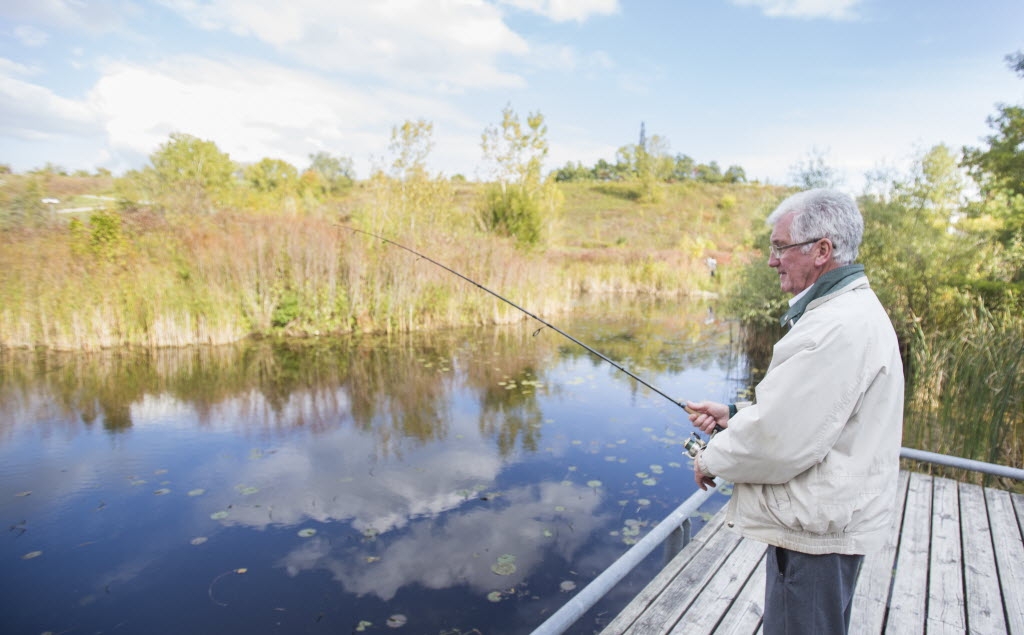
Initial research suggested that “Wonscotonach” is an Anishinaabe place name for the Don River, possibly translating to “burning bright point,” a reference to nighttime salmon spearfishing.
Recent academic analysis has called the proposed translations and spellings into question, presenting alternatives such as “Waasayishkodenayosh” and “Waussaeishkstaenaeyaush.”
No individual park will be renamed; instead, the new collective name is expected to be displayed on approximately two dozen signs throughout the area.
The original council vote to adopt the name was unanimous and passed without debate, with one council member describing the initiative as “great.”
Since 2018 the city has renamed several locations using Indigenous terms, including a newly designated island and a street formerly known as Lower Coxwell Avenue.