Rice products commonly consumed in the United States contain high levels of inorganic arsenic, a toxic form of the metal that can increase the risk of skin cancer, bladder cancer, and type 2 diabetes.
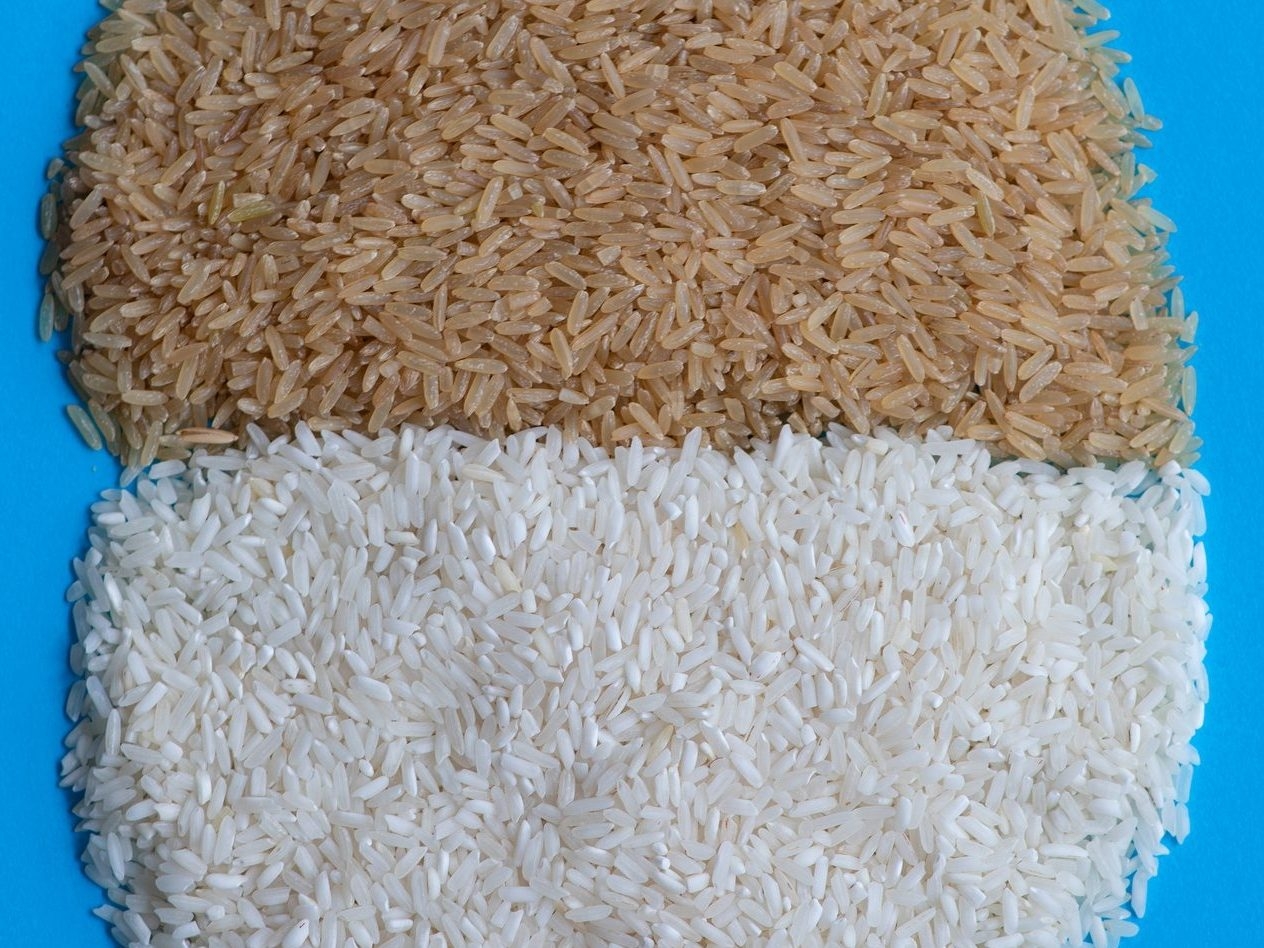
Testing of 52 rice products found measurable levels of inorganic arsenic in all of the samples, with some products containing higher levels than others. Brown rice averaged higher levels than white rice, while basmati and sushi rice had lower average inorganic arsenic levels than other rice types tested.
Arsenic comes in two forms: organic and inorganic. The latter is more toxic and often found as a water and soil contaminant. Rice is particularly susceptible to arsenic contamination because it is typically harvested from flooded fields, where the element is more readily taken up from soil and water.
Consumer Reports recently conducted new research to determine if levels of inorganic arsenic in rice products had declined over time. However, their published results show that the problem persists, with 42% of the products containing average inorganic arsenic levels that pose a significant health risk.
The organization also tested for cadmium, lead, and mercury and found detectable levels of arsenic, cadmium, and mercury in all 142 samples, and lead in 66 of them. This raises concerns about the potential health impacts of consuming these products.
The FDA has set a limit of 100 parts per billion (ppb) for inorganic arsenic in infant rice cereals, but no federal limits exist for rice products in general. Consumer Reports editors believe that the FDA should set limits for all rice products, given that there is no safe level of inorganic arsenic.
Until federal limits are established, consumers can take steps to reduce their exposure to inorganic arsenic, such as choosing lower-arsenic rice varieties, rotating in other grains, cooking rice in excess water and draining it afterwards, and limiting their rice intake to a few servings a week.