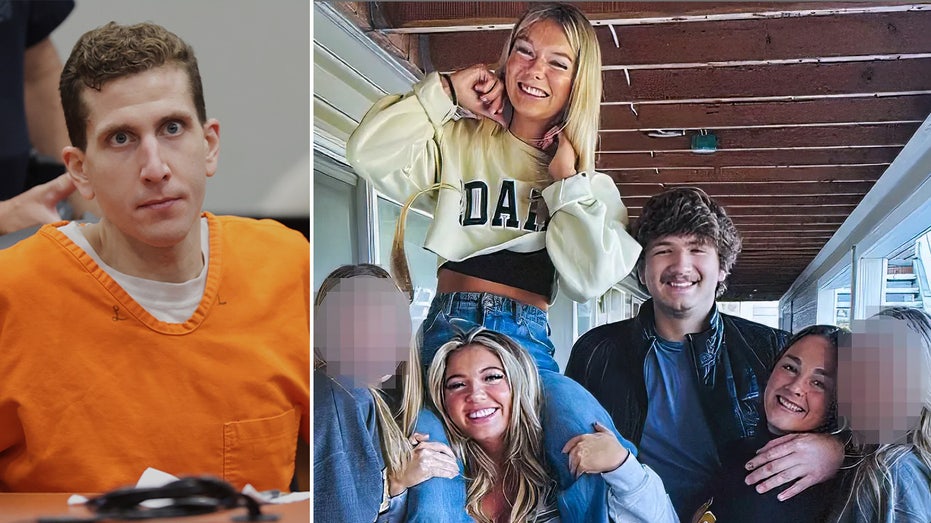
The case of Bryan Kohberger, the 30-year-old former criminology PhD student convicted of murdering four University of Idaho students, has taken a new turn. Kohberger's lawyers have petitioned the court to withdraw his guilty plea and seek post-conviction relief, which could potentially put the case to trial and put the death penalty back in play.
Former Arizona homicide investigator and digital forensics expert Sy Ray has spoken out in support of Kohberger facing the death penalty. Ray was hired by Kohberger's lawyers as an expert witness before the guilty plea, but his testimony now suggests that investigators missed damning evidence against Kohberger. Ray claims that Kohberger's smartphone data is more incriminating than previously revealed, and that he believes Kohberger was in the victims' home, and at other places, before the murders.
Ray's claims contradict his own expert report from January 2025, which stated that there was no evidence of association between Kohberger and the victims or their residences. Ray has also pointed to a "pattern of life" of stalking behavior by Kohberger, which he says was missed by investigators. This pattern of life included repeated collisions between Kohberger's phone and the victims' phones at the same locations, including a Pullman party and an A&W store near the crime scene.
Ray believes that Kohberger's primary target was Madison Mogen, and that the plan to target her went awry, resulting in the murders of the other three students. Ray has also speculated that Kohberger's post-conviction petition is part of a broader legal strategy by his lead defense attorney, despite the plea agreement's waiver of most appeal rights.
Ray's testimony has raised questions about the investigation and the handling of evidence in the case. He claims that investigators missed the stalking evidence and that it's "incredible" that they didn't look at it. The discrepancy between Ray's report and his current testimony has raised red flags among experts, including Morgan Wright, the CEO and founder of the National Center for Open and Unsolved Cases.
Ray is confident that Kohberger would be convicted at trial, even without the new evidence he's presented. He believes that the time is now to start the investigation over and introduce the evidence he's found. Ray's testimony has added a new layer of complexity to the case, and has sparked renewed debate about the handling of evidence and the investigation into the murders of the four University of Idaho students.
Ray has also speculated that Kohberger had multiple targets throughout the Moscow-Pullman area and that location information and pattern of life is the most telling. He believes that Kohberger will kill again if he ever walks free. The case continues to unfold, and it remains to be seen what the outcome will be for Kohberger and the families of the victims.