The City of Toronto's plans to rename the trails and green spaces around the Lower Don have hit a roadblock due to a lack of understanding about the meaning and spelling of the chosen name, Wonscotonach.
A recent report prepared for the city's economic and community development committee reveals that despite research and engagement since 2018, staff have yet to determine the accuracy, spelling, or interpretation of the name. The report recommends continuing the Indigenous-led process and conducting further research, with a new name expected to be chosen and implemented in mid-2027.
Funding for the continued work is to come from the Parks and Recreation's capital budget through its Indigenous place-keeping capital reserve. The process is expected to include a visit by the Mississaugas of the Credit First Nation to the parkland system this summer, in accordance with recommended cultural protocols.
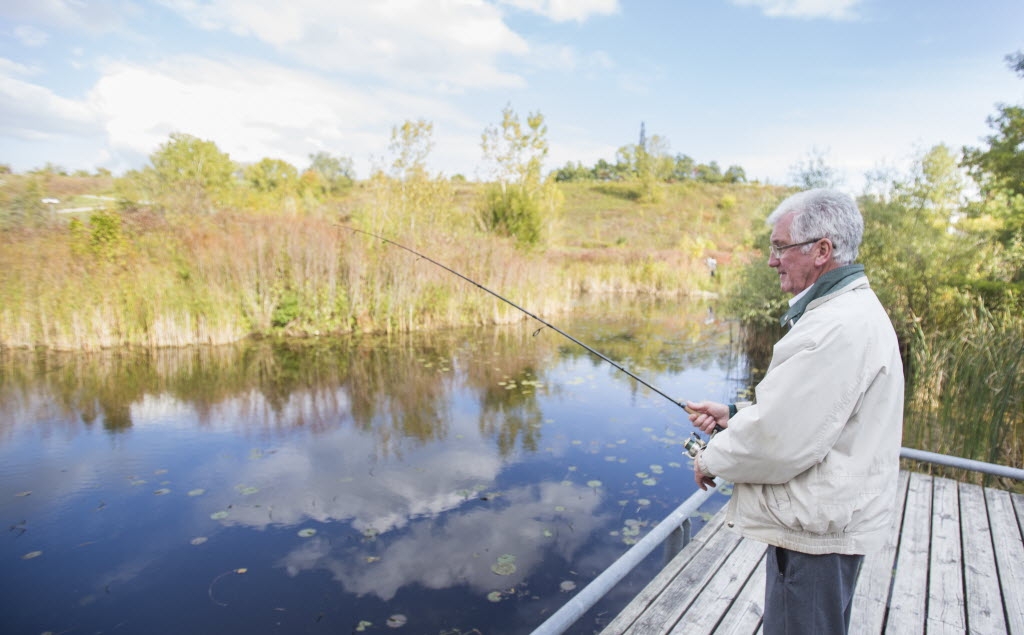
The City of Toronto has allocated over $1 million annually to its reconciliation and Indigenous place-making program, with funds allocated for 2026 and expected to continue until at least 2034. An earlier city report suggested that the parkland system, which includes Don Valley Brick Works Park, Todmorden Mills Park, and Riverdale Park East and West, should have a collective name due to its connected and contiguous nature.
The Wonscotonach name is understood to be the Anishinaabe place name for the Don River, possibly translating to 'burning bright point,' but recent research has raised questions about the accuracy of this translation and spelling. Alternative spellings include "Waasayishkodenayosh" and "Waussaeishkstaenaeyaush."
The initial city council vote to name the area Wonscotonach Parklands eight years ago was unanimous, with Councillor Paula Fletcher praising it as a "great initiative." Since then, the city has renamed several places using Indigenous words, including Ookwemin Minising and Emdaabiimok Ave.