In the 2026 World Cup, a controversy erupted after US striker Folarin Balogun received a red card in a match against Belgium, leading to a suspension for the next game.
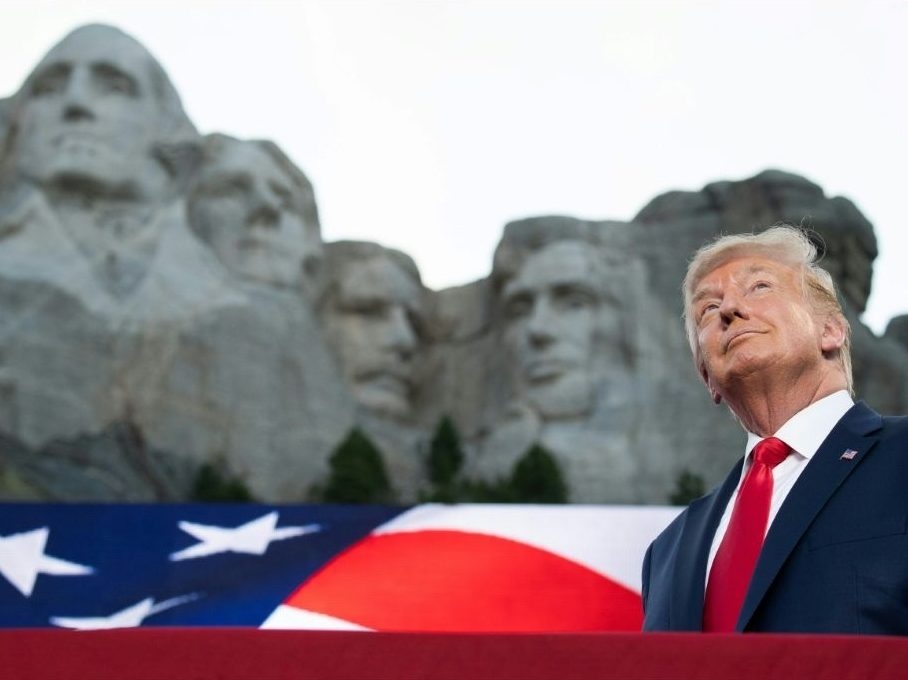
President Donald J. Trump called FIFA’s chief executive to appeal the decision, arguing that the suspension was unjust and that the red card had not been warranted.
FIFA’s independent disciplinary committee upheld the suspension, and the federation’s president reiterated that disciplinary decisions are made according to established rules and remain independent of external influence.
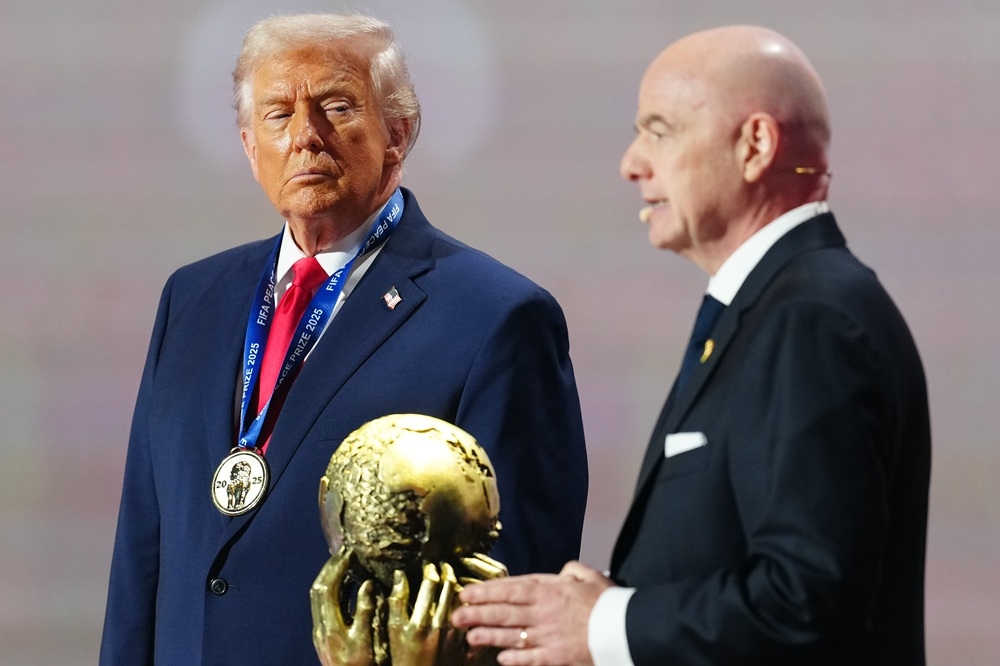
The United States team expressed frustration over the ruling, but FIFA maintained that the red card was a legitimate part of the sport’s governance framework.
Concurrently, Canada’s squad faced a separate challenge when captain Alphonso Davies opted out of a crucial World Cup match due to a sore leg, leaving the team without its key player.
Canada’s performance suffered as a result; the team was eliminated in the group stage, with many analysts citing the absence of Davies as a significant factor.

The World Cup coincided with the United States’ 250th anniversary, a milestone marked by national celebrations and sporting events across the country.
Despite the festivities, the US soccer team faced criticism over the handling of Balogun’s suspension and the broader debate surrounding automatic red‑card suspensions.
The incident highlighted tensions between national leadership and sporting governance, with a head of state publicly challenging a disciplinary decision.
FIFA emphasized that its disciplinary processes are independent and governed by established rules, unaffected by political pressure.
The controversy has reignited discussions about whether red‑card suspensions should automatically carry over to subsequent matches.
In Canada, Davies’ decision to sit out was defended as a precaution to avoid aggravating an injury, though critics argued it cost the team a chance to advance.
The tournament continues to serve as a platform for national pride, with both the United States and Canada using the event to showcase their footballing ambitions.
Observers remain divided over the fairness of disciplinary actions and the appropriate role of national leaders in sports matters.
The events underscore the complex interplay between sport, politics, and national identity on the global stage.