The Canadian government's energy policies need a drastic overhaul, aligning with the world as it actually is, rather than an idealized version.
Fossil fuels account for a staggering 86.2% of global energy production, dwarfing modern renewables at 5.9%, nuclear power at 5.2%, and hydro power at 2.7%. Canada, as the world's fourth-largest oil producer and fifth-largest natural gas producer, with abundant hydro power and safe nuclear technology, is uniquely positioned to become a conventional and clean energy superpower.
However, progress has been hindered by self-imposed obstacles. Conservative Leader Pierre Poilievre has long advocated for a more pragmatic approach, and recent developments suggest a shift in the right direction.
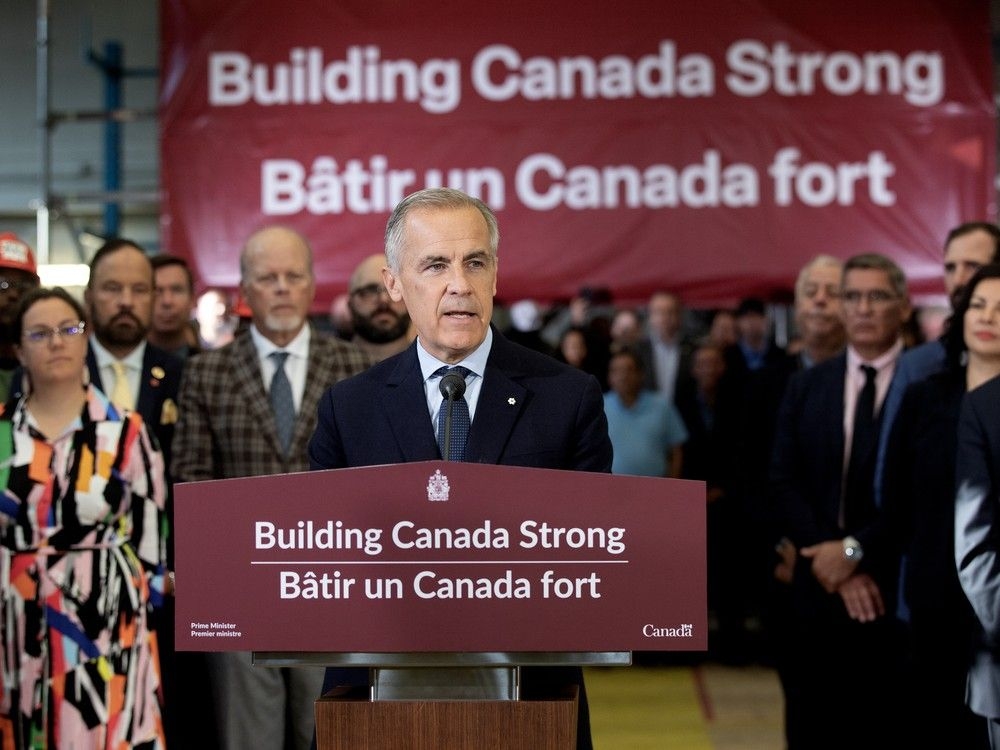
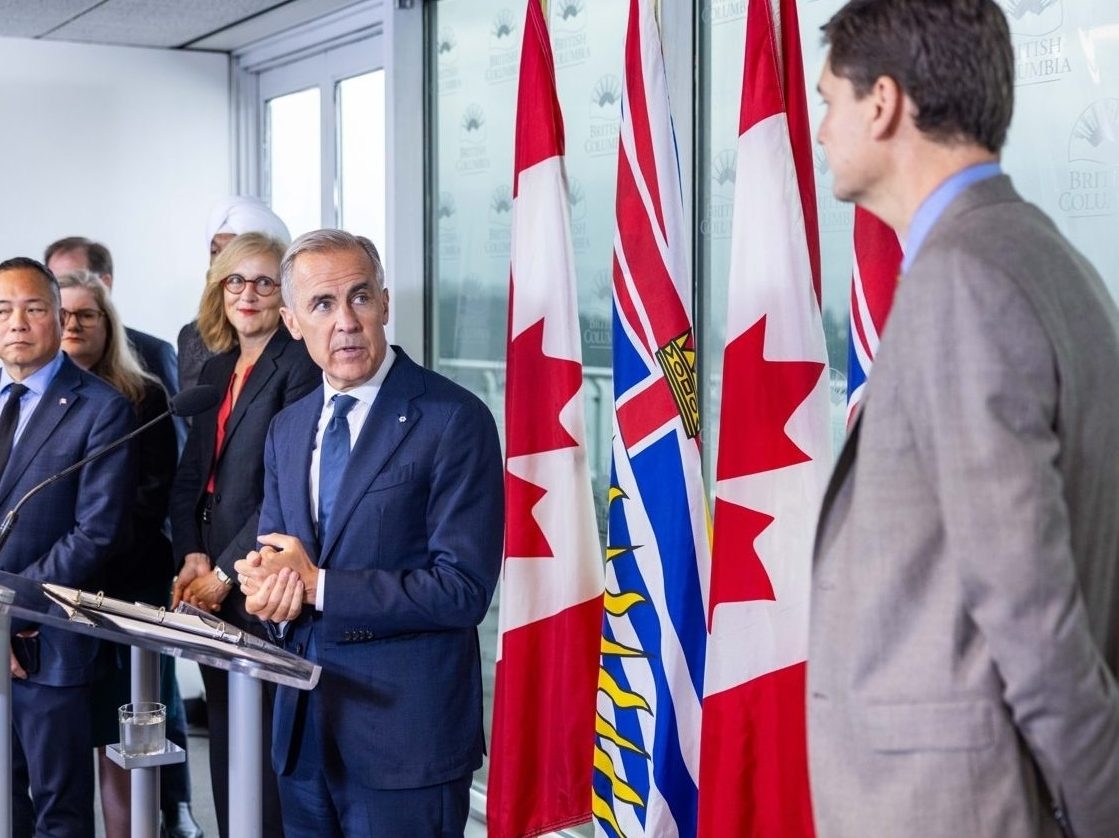
The construction of a new bitumen pipeline from Alberta to British Columbia, albeit heavily subsidized by taxpayer money, marks a step forward. Nonetheless, Prime Minister Mark Carney's ambitious goal of delivering oil to Asian markets remains years away, with the country's ability to export natural gas to markets other than the US still in its infancy.
It's time to dispel outdated clichés, such as the notion that the age of fossil fuels is over or that the world is approaching peak oil. While technology for extracting oil continues to improve, and renewables are increasing, fossil fuels will remain a dominant force for decades to come.
As Prime Minister Carney noted, as long as the global economy relies on conventional energy, it makes sense to maximize production from responsible sources like Canada. By embracing this reality, Canada can take the first steps towards becoming a true energy superpower.