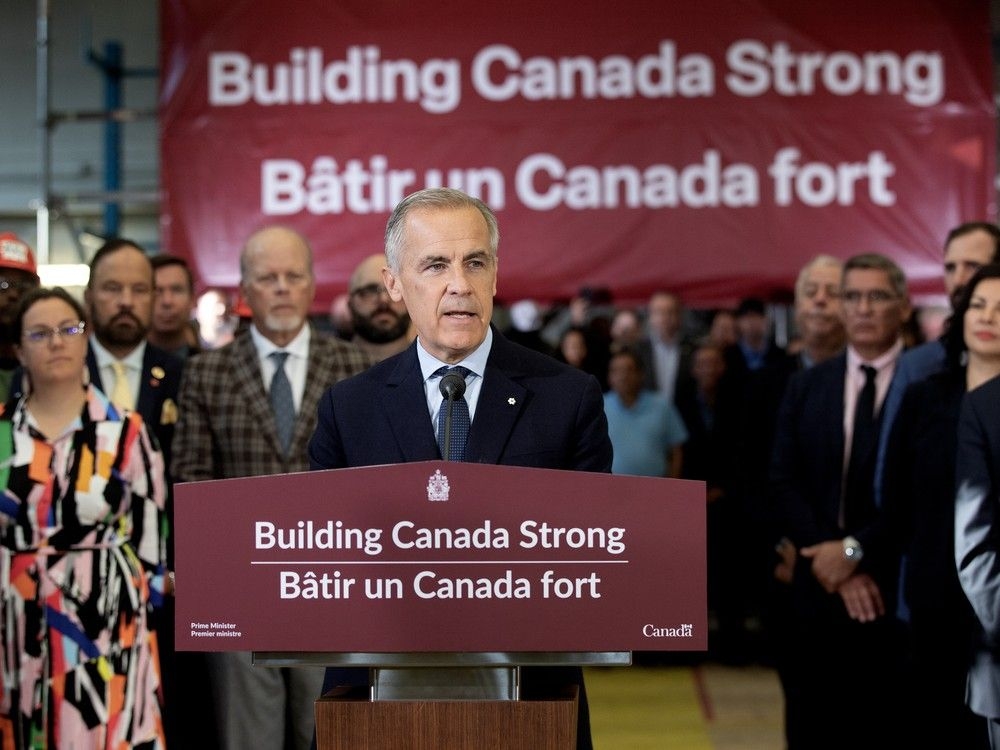
Prime Minister Mark Carney announced that constructing a new oil pipeline from Alberta’s oilsands to southern British Columbia will require roughly $60 billion in public funding.
The core pipeline is estimated to cost between $35.2 billion and $43.7 billion, with about 90 % of the expense shouldered by federal and Alberta taxpayers and the remaining 10 % to 20 % expected from the Pembina Pipeline Corporation, pending satisfaction of specific conditions.
The private‑sector contribution is not guaranteed; Pembina’s participation depends on meeting contractual criteria that have yet to be finalized.
This financing plan diverges from a memorandum of understanding signed in November 2025, which envisioned privately built and financed pipelines with Indigenous co‑ownership, low‑emission bitumen transport, and a primary focus on expanding export access to Asian markets.
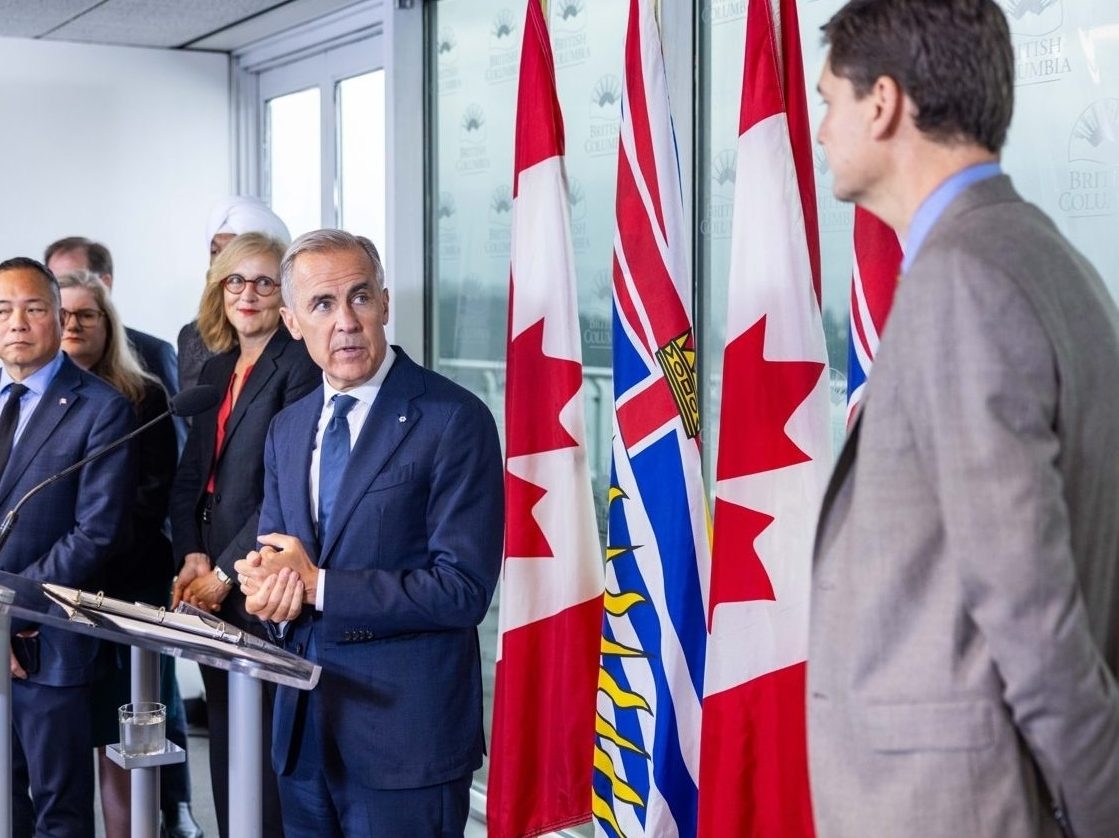
An additional $17 billion in federal spending is earmarked for major infrastructure projects in British Columbia aimed at securing Premier David Eby’s agreement to suspend his opposition, although he continues to object to the pipeline itself.
The proposed 1,200‑kilometre line will largely follow the existing Trans Mountain Expansion corridor, terminating south of Vancouver at an expanded export terminal in Delta to facilitate shipments to Asian destinations.
The federal government’s purchase of the Trans Mountain assets in 2023 for $4.5 billion set the stage for the new project, and the total federal cost has risen to approximately $34 billion.
Operations began in May 2024, moving diluted bitumen from the oilsands to the BC coast for onward transport to U.S. and Asian markets, while environmental groups and some Indigenous communities maintain opposition.
The route avoids the northern BC coastline, where a federal tanker ban remains in effect, but the project’s continuation depends on the completion of the $20‑billion Pathways Project, which targets a 16‑million‑tonne annual reduction in oilsands emissions.
Government officials aim to designate the pipeline as a project of national interest by 1 October 2026, commence construction by 1 September 2027, and achieve commercial operation between 2032 and 2034, subject to regulatory approval and Indigenous participation.
Officials contend that the public investment will leverage hundreds of billions of dollars in private capital, generate hundreds of thousands of jobs, and strengthen Canadian energy security and economic diversification amid external trade pressures.
Critics argue that requiring taxpayers to fund the pipeline is unjustified given the sector’s projected $90 billion in windfall profits driven by global supply disruptions.
Recent polling indicates a shift in public sentiment toward the government’s position, while the policy has attracted criticism from both anti‑fossil‑fuel advocates and supporters who question the Prime Minister’s motives.