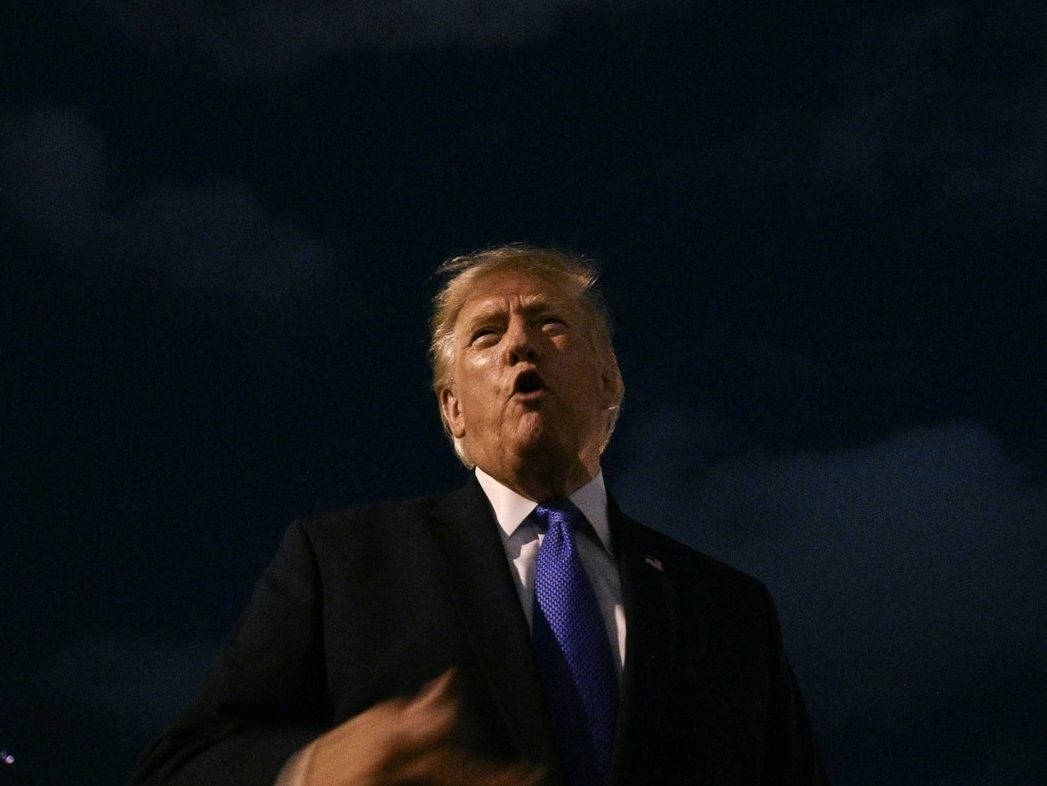
The United States and Iran have been engaged in a delicate dance of diplomacy and threats, with US President Donald Trump warning that the country will be attacked "very hard" if it backs out of commitments. Trump's comments came in an interview, where he also expressed optimism that the Strait of Hormuz will be reopened "very soon".
The US has reportedly burned through about 80% of its interceptor stockpile as a result of the conflict in the Middle East. Senior US military commanders have warned that the stockpile of munitions is "dangerously low", and a number of countries that rely on American air defence systems have expressed concern that the shortage could hinder their ability to intercept Iranian missile and drone attacks.
The situation has been further complicated by the United Nations' high commissioner for Human Rights, who has condemned the execution of at least 56 people in Iran on national security-related charges since March 19. The commissioner urged Iranian authorities to halt all executions and move towards getting rid of the death penalty.
Activists have pointed out that the omission of human rights protections from the memorandum of understanding signed by the US and Iran in June has allowed Iran to accelerate internal crackdowns and executions. The US military's stockpile of munitions has been depleted during the Iran war, leaving a number of countries vulnerable to Iranian attacks.
Trump's comments on the Strait of Hormuz have been met with skepticism by Iran, which has denied having discussions with the US on the matter. However, Iranian officials have said they are having ongoing talks with Oman on reopening the strait, which has been closed due to the conflict.