The Sega Dreamcast was a groundbreaking console that represented the future of gaming in the late 1990s. With its advanced 3D graphics, internet connectivity, and innovative games like Crazy Taxi, it was a peak of entertainment for many gamers, including those in middle school at the time.
However, 18 months after its launch, Sega discontinued the Dreamcast, marking a significant failure in the console market. The Dreamcast's demise was attributed to the looming presence of the original Xbox console, which was launched in 2000.
Interestingly, the Xbox is now facing similar challenges, and Microsoft should take note of Sega's experience. After a series of missteps with the Sega Saturn and Game Gear, the company pivoted and leveraged its game developers and software library to survive.
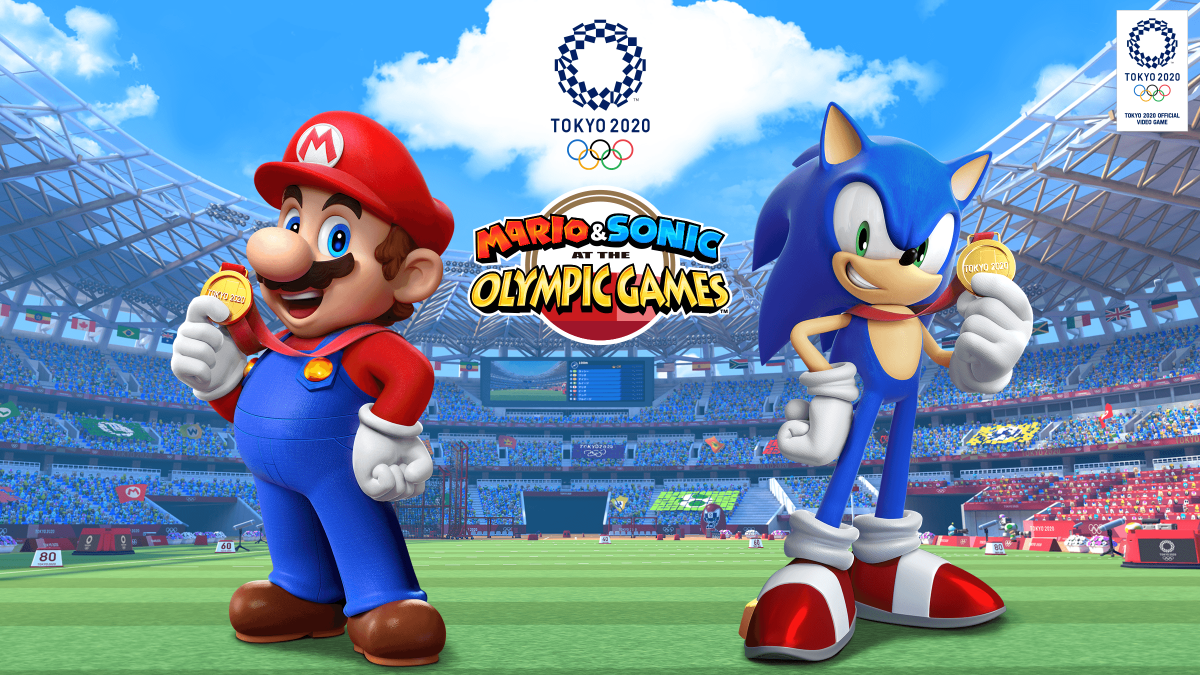
Sega's shift paid off, and the company became one of the most notable game publishing companies in the world. From 2001 to 2004, Sega turned a significant loss into a surplus, unshackling itself from expensive hardware and expanding its audience on various platforms.
Today, Sega continues to thrive, with successful franchises like Sonic and Yakuza, as well as new entries like Total War and revived Dreamcast classics. The company's ability to adapt and evolve has kept it relevant in the gaming industry.
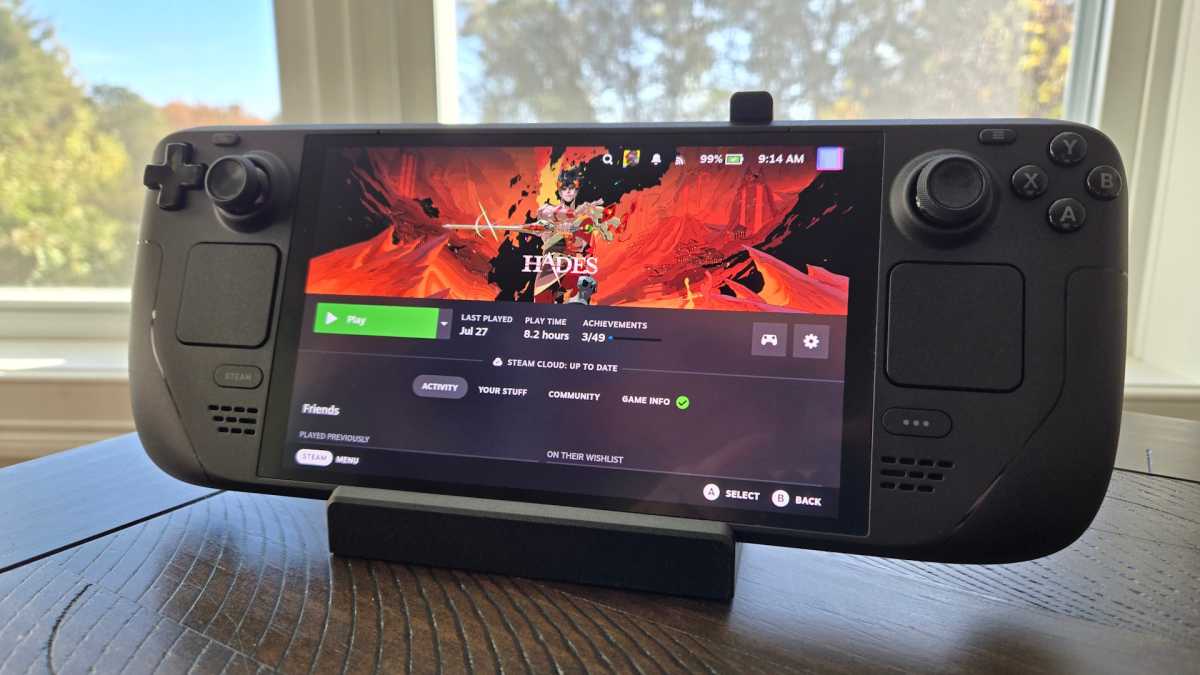
Meanwhile, the Xbox platform has been slipping for over a decade, with Microsoft's gaming division experiencing years of falling profits. Despite investing heavily in acquiring games and developers, the company is struggling to compete with the rising costs of electronics hardware.
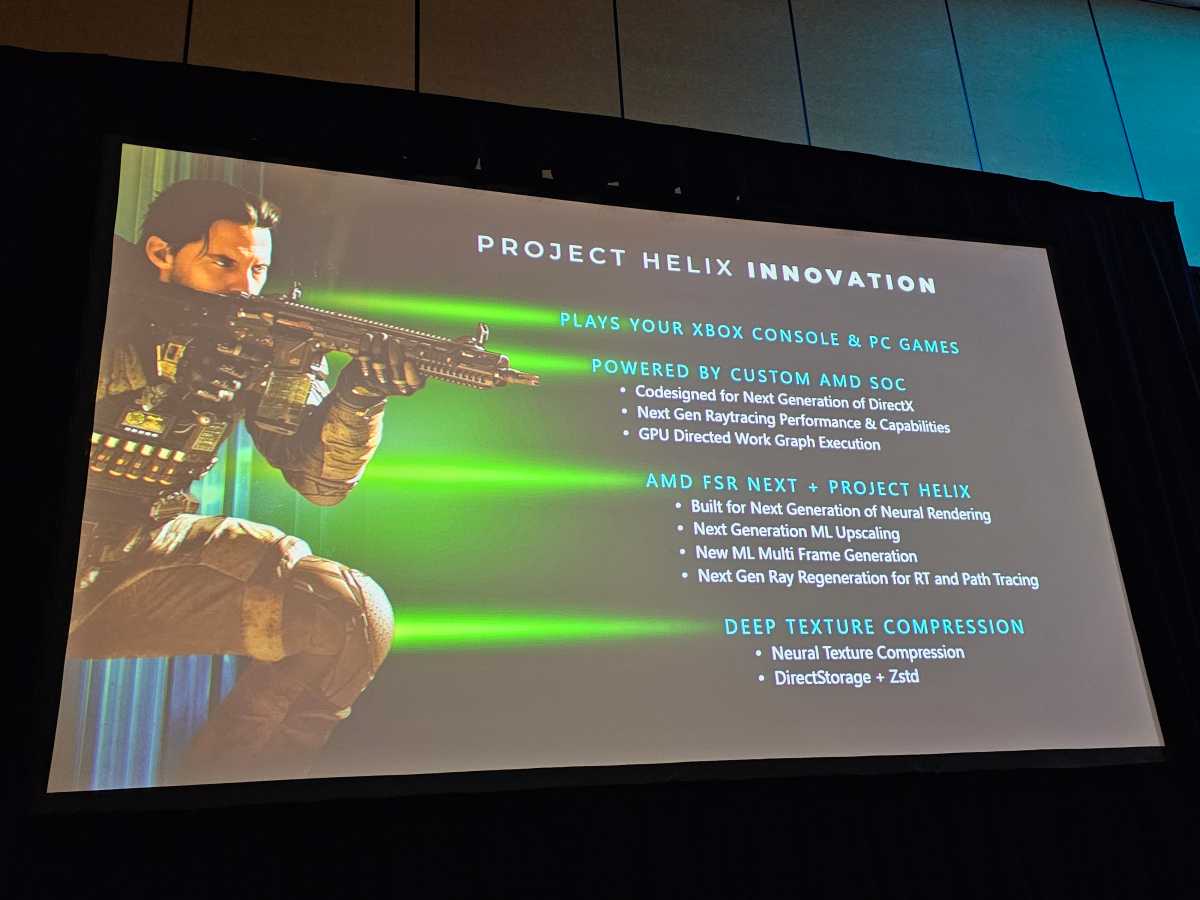
Microsoft's latest attempt to revamp the Xbox is Project Helix, a device that combines console and PC gaming. However, with preliminary hardware expected in 2027, it may be too late to recoup the losses and make a significant impact.
The cheapest Xbox will cost $500 in the coming weeks, and an 8GB Surface Laptop will cost almost a grand. This is a terrible time to introduce new hardware, especially if affordability is a concern.
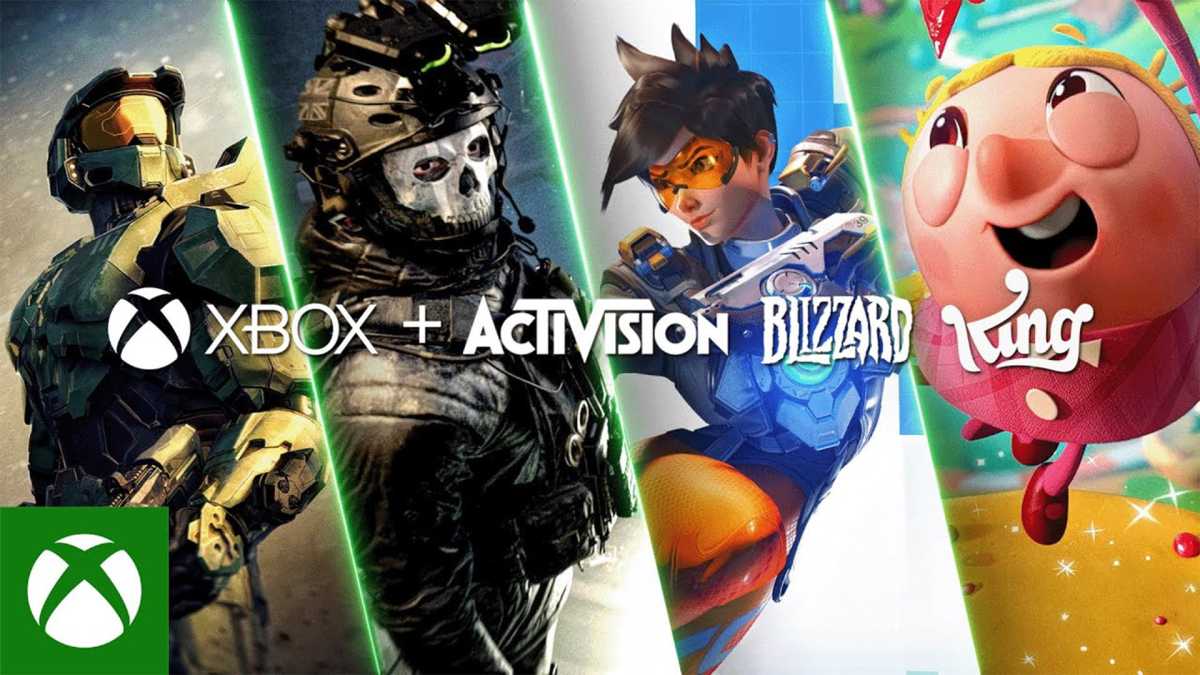
Microsoft has a massive collection of world-class developers and games with deep pedigrees, including Minecraft, Call of Duty, The Elder Scrolls, and Halo. The company has already made moves to take advantage of these assets, releasing games on various platforms, including the PlayStation 5 and Nintendo Switch.
Microsoft should consider following Sega's lead and focus on making great games, selling them to a wide audience, and leveraging its existing strengths. By doing so, the company can minimize its losses and create a more sustainable gaming platform.
Ultimately, Microsoft's gaming hardware may not be salvageable, and it's time to reassess its priorities. By focusing on software and services, the company can create a more viable and competitive gaming ecosystem.
Sega's survival and success story serves as a cautionary tale for Microsoft. The company's ability to adapt and evolve has kept it relevant in the gaming industry, and Microsoft would do well to take note of its lessons.