
The Steam Machine arrives as a compact, cube-shaped device that blends seamlessly into both office and entertainment setups. Its quiet operation and streamlined console-style setup make it an appealing entry point into SteamOS and a vast PC gaming library.
Initial setup is remarkably smooth. Connecting power, HDMI, and a controller leads users through Wi-Fi configuration and Steam login, with automatic updates completed in under 20 minutes before games begin downloading.
The hardware is notably smaller and quieter than many contemporary consoles. Even under heavy graphical loads, the system remains nearly silent, a significant advantage for living room gaming.
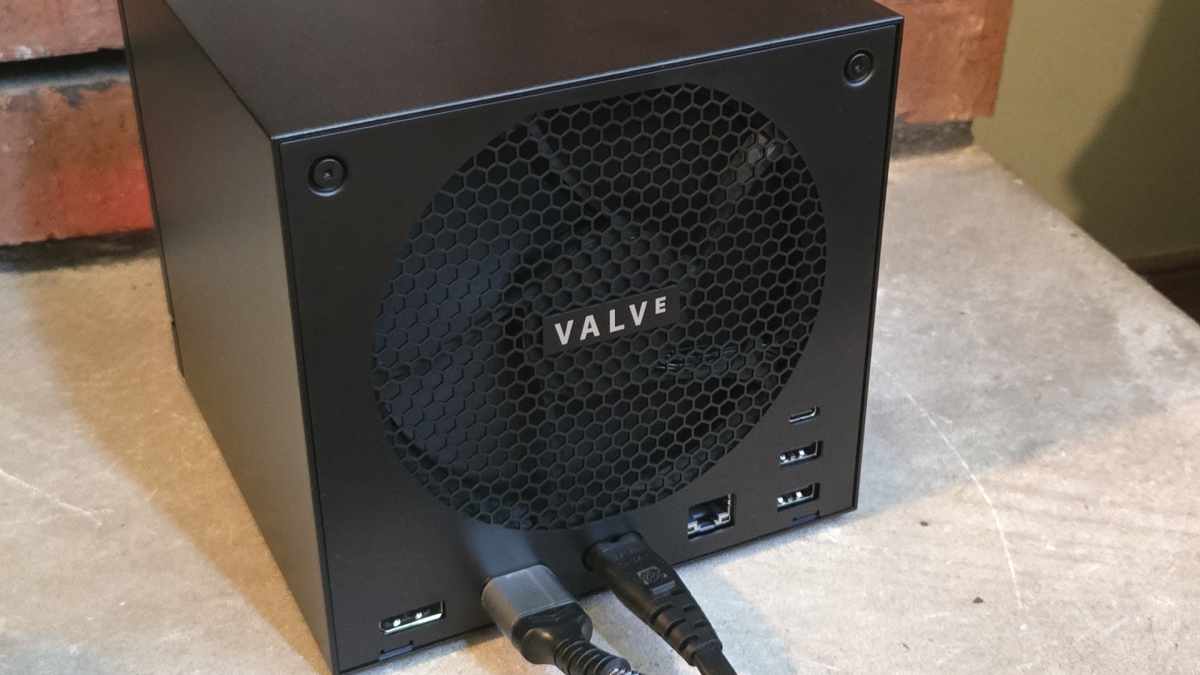
Performance varies by title. Lightweight 2D and modest 3D games run flawlessly at 4K, and some titles perform better than on Windows due to controller compatibility under SteamOS.
More demanding titles reveal limitations. Horizon: Zero Dawn runs well at 4K with upscaling, but Unreal Engine 5 titles like Dead as Disco dip below 60 FPS at 4K and require dropping to 1080p for stability.
The most hardware-intensive tested title, Space Marine 2, struggles severely at 4K, falling to 15–20 FPS. Even after adjustment, 1080p remains the only viable resolution for acceptable performance.
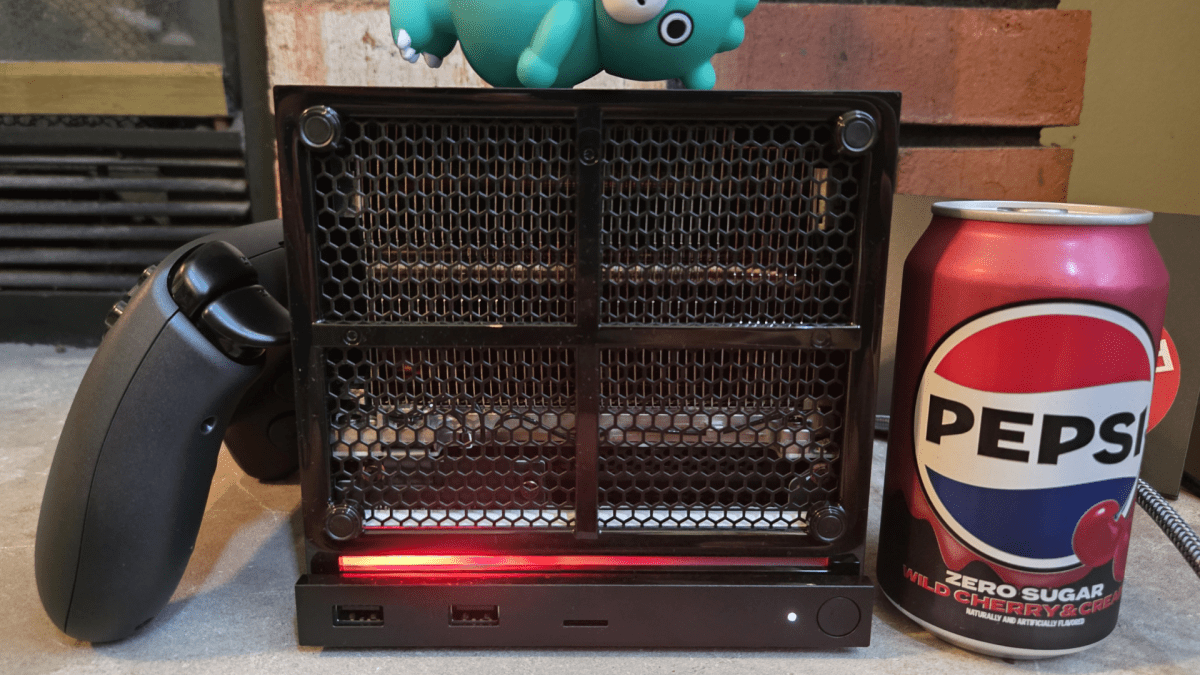
These results place the device near previous-generation console performance levels. However, its base configuration costs nearly double that of comparable consoles, undermining its value proposition.
SteamOS remains firmly on the PC side of the console divide. Surround sound output via HDMI is inconsistent, and built-in support for mainstream streaming apps is absent without browser workarounds.
Local streaming from a more powerful PC is hindered by a longstanding bug that blocks controller input for certain major titles. Other streamed games suffer from resolution mismatches and latency issues.

The device is best suited to less demanding 3D titles, a narrow remit for a product aimed at bringing PC gaming to the living room. Its appeal is limited for users seeking broad compatibility.
Pricing is the most serious drawback. At $1,050, the system costs more than twice as much as a current-generation console while delivering similar or lower performance in many cases.
For new gamers, dedicated consoles offer a simpler and more affordable path. The Steam Machine targets existing Steam library owners who want TV access, yet even that use case is constrained by performance and price.

SteamOS stands as the product's strongest element. The operating system has matured into a polished, gaming-focused Linux environment that is increasingly accessible to mainstream users.
Valve now supports official SteamOS installs on custom PCs, with expansion planned for additional hardware architectures. Third-party manufacturers have begun shipping devices with SteamOS pre-installed.
Despite its software promise, the Steam Machine itself is difficult to recommend at current pricing and performance. A lower-cost mini PC with SteamOS offers a more rational alternative for most users.

The device is significant as a symbol of SteamOS evolution rather than as a consumer purchase. For those who simply want to play games, waiting remains the prudent choice.


