The debate over rising costs of living has become a central point of contention in recent U.S. politics. Inflation during the first four years of the current administration averaged nearly five percent, with a peak above nine percent. In contrast, the first term of the preceding administration saw an average inflation rate of 1.9 percent, while the second term rose to 2.6 percent and is projected to reach 4.5 percent amid regional conflicts.
Critics argue that certain policy choices during the recent administration contributed to the inflationary trend. They point to expansive fiscal programs and regulatory changes as potential drivers of higher prices for key staples, citing a 30 percent increase in some essential goods over the same period.
Some observers contend that the shift toward more progressive policies within the party has amplified these economic pressures. They highlight the influence of leaders who have pursued a range of social reforms, including expanded immigration programs, adjustments to voting protocols, and increased investment in environmental initiatives.
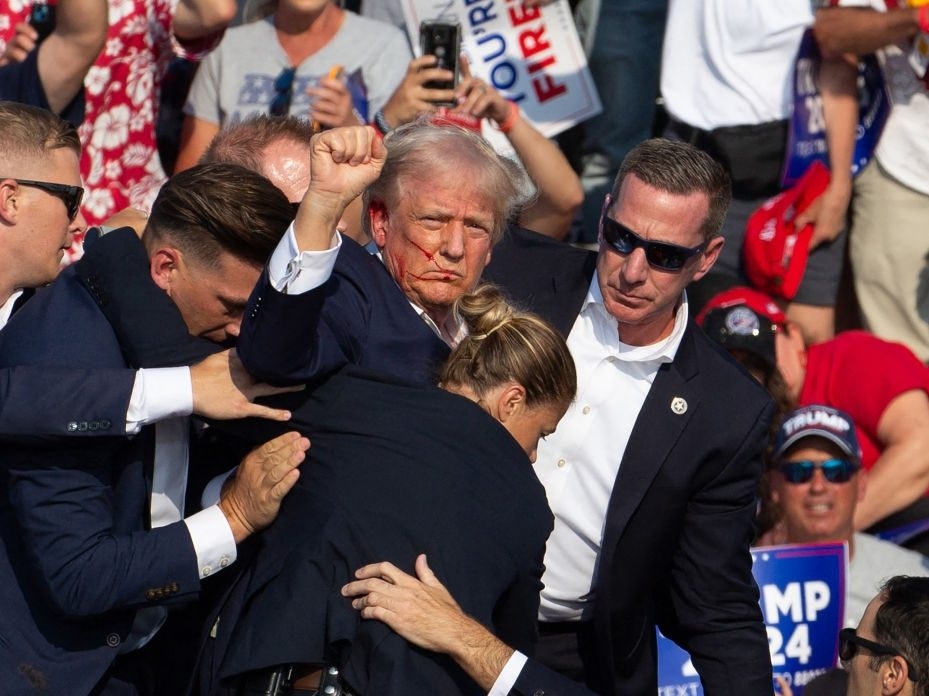
Allegations of misinformation have surfaced regarding public health and political events. Claims have been made that the origins of a major virus were misrepresented, and that certain high-profile incidents were exaggerated or fabricated to shape public perception.
During the election cycle, controversies arose over the handling of a laptop associated with a political figure’s relative. The narrative surrounding the authenticity of the contents has been cited as a factor that potentially influenced voter sentiment.
Legal actions against former officeholders have included investigations into communications, property raids, and the pursuit of criminal charges. These cases have attracted widespread media attention and sparked debate over the use of legal mechanisms in political disputes.
Within the party, leaders have been accused of adopting a confrontational stance toward the judiciary and other institutions. Statements from prominent senators and representatives have been interpreted by some as threats to the integrity of the Supreme Court and legislative process.
Protests and public demonstrations have intensified around issues such as immigration enforcement and policing reforms. These movements have, at times, led to violent clashes and significant property damage, prompting discussions about public safety and law enforcement responses.
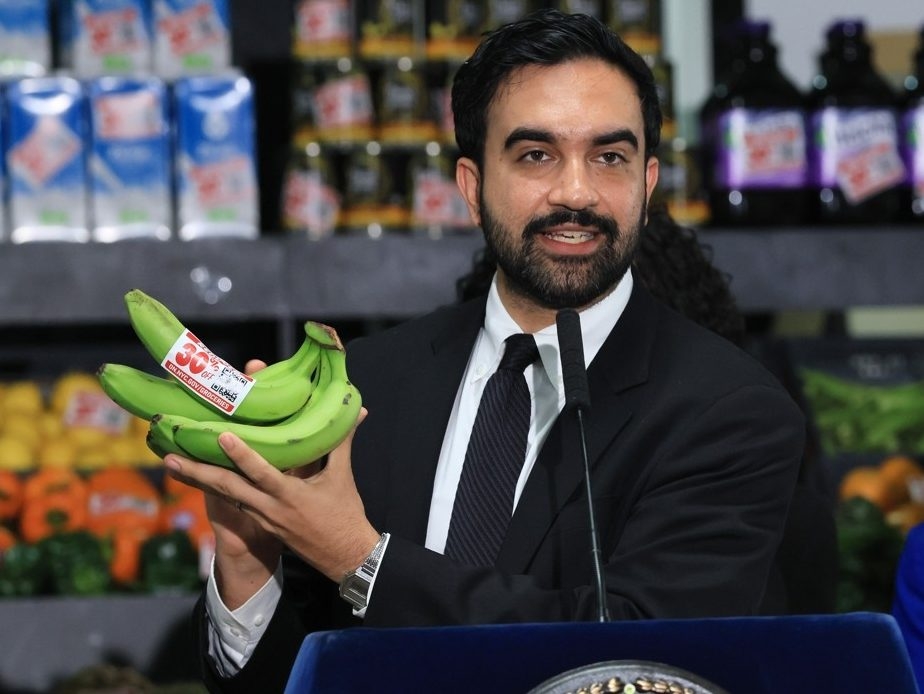
The Democratic Socialists of America have grown in visibility, especially among younger voters and those in urban centers. Their platform emphasizes open borders, comprehensive amnesty, defunding of certain police departments, and a shift toward renewable energy sources.
Critics of the organization argue that its proposals could undermine established institutions and economic stability. They also express concerns about the potential for extremist rhetoric within certain activist circles.
Discussions about the future of the party have centered on balancing progressive ideals with broader electoral appeal. Some analysts suggest that a lack of clear messaging may hinder the party’s ability to secure widespread support in upcoming elections.
The political landscape continues to evolve as new ideas challenge traditional structures. Whether these shifts will lead to lasting change or provoke further polarization remains a subject of ongoing debate.