Many individuals aspire to leave traditional employment to travel the world while earning a living, driven by desire for freedom and personal fulfillment. The article outlines a structured approach to turn this aspiration into reality.
The process begins with deep self‑reflection, asking what dissatisfaction exists in the current job, what happiness would look like, and whether the travel dream aligns with true personal goals. These questions help ensure the decision is personal and not merely an escape.
Evaluating the lifestyle involves understanding the realities of nomadic living, recognizing the need for sacrifice, and identifying which type of traveling professional best fits one’s skills and circumstances. Such assessment prevents unrealistic expectations and guides practical planning.
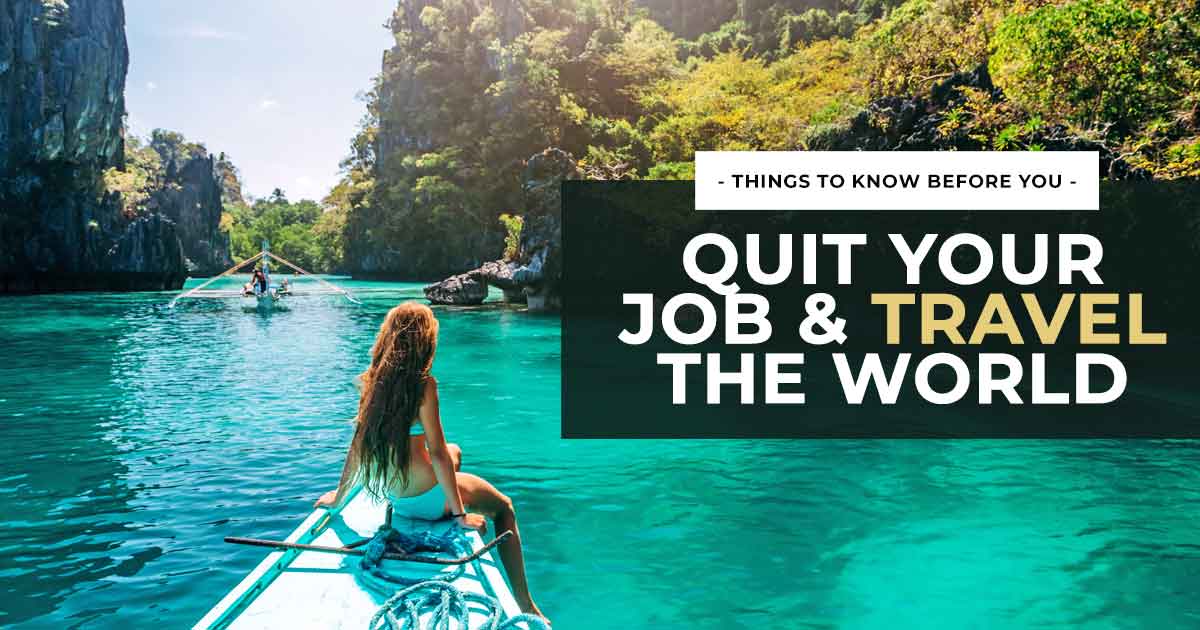
Maintaining motivation requires nurturing emotional drive, connecting with supportive communities, drawing inspiration from books or media, and keeping plans private when necessary to avoid negative pressure. These actions sustain momentum during challenges and setbacks.
Planning the future lifestyle means estimating expenses for destinations, accommodation, insurance, visas, transportation, and essential gear, while also assessing personal finances and debt obligations. A realistic budget accounts for both fixed costs and variable experiences to ensure financial viability.
Financial preparation includes setting savings targets, creating an emergency fund, reducing unnecessary costs, and building a source of remote income that exceeds current earnings. Disciplined budgeting and incremental income growth are key to achieving the required financial cushion.

Action steps involve disciplined saving, cutting expenses, liquidating or renting assets, and launching side work or freelance services to accumulate the needed funds and develop a sustainable income stream. Starting remote work early also builds experience and confidence before full departure.
When the travel fund is sufficient, the individual can resign from the corporate position, book necessary travel documentation, and commence the journey with a flexible itinerary. Flexibility allows adaptation to new opportunities and unforeseen circumstances on the road.
Throughout the adventure, staying adaptable, prioritizing safety, learning local languages, engaging with locals, and pursuing long‑term passive income opportunities help sustain the lifestyle. These habits foster resilience and enrich the travel experience.

The guide emphasizes that success depends on perseverance, resourcefulness, and a willingness to work hard, proving that a fulfilling travel life is attainable without wealth. Anyone committed to the process can achieve the freedom and joy of traveling while earning a living.