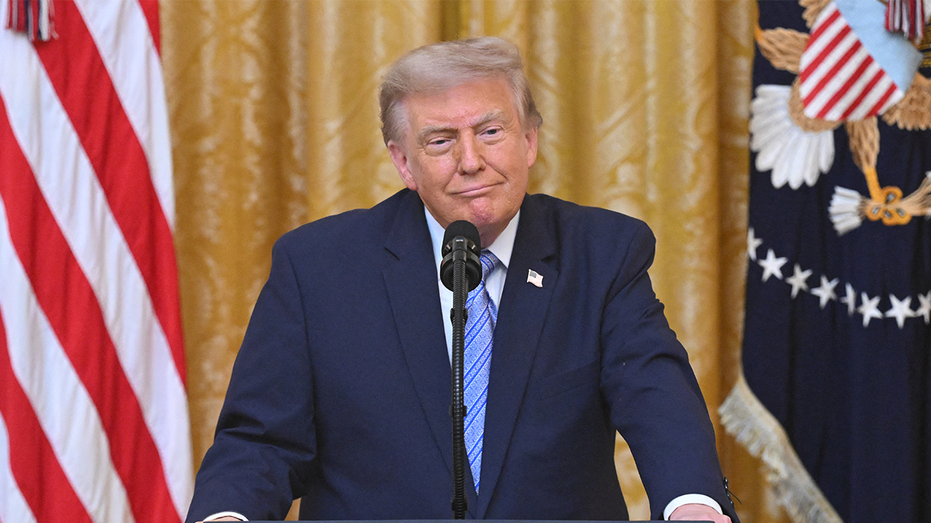
U.S. President Donald Trump accused Chinese authorities of attempting to influence the 2020 presidential election, a claim dismissed by Beijing as unfounded. During a primetime address, Trump cited newly released documents asserting that the Chinese Communist Party aimed to reduce voter support for the U.S. president through strategic efforts. He alleged the intelligence community concealed evidence of these activities, calling it part of a "shadow government" effort to suppress information.
China’s Foreign Ministry spokesperson Lin Jian rejected the allegations as fabrications designed to undermine the country’s reputation. “We have no interest in interfering in U.S. elections and have never done so,” the official stated during a briefing. The response came amid heightened tensions between the two nations ahead of a potential high-level diplomatic meeting.
When asked whether the accusations might affect President Xi Jinping’s planned September visit to the U.S., Lin Jian urged the United States to avoid politicizing bilateral relations. “We urge the U.S. to stop making an issue of China in its elections and do something conducive to China-U.S. relations,” the spokesperson emphasized.
Trump’s claims focused on China’s alleged influence campaign aimed at shaping public opinion, rather than altering vote counts. He highlighted an internal email from an intelligence analyst suggesting efforts to distance intelligence briefings from election-related content. Trump argued that critical findings were withheld from his administration, undermining transparency and accountability.
The president used the disclosures to advocate for the Save Our Republic (SAVE) America Act, a bill designed to tighten federal election standards. While the House passed the measure in February, it stalled in the Senate due to insufficient bipartisan support. Trump called on Americans to pressure lawmakers to advance the legislation ahead of upcoming midterms.
Separately, the Trump administration announced a policy limiting visas for foreign journalists in the U.S. to 240 days, with Chinese media personnel restricted to 90 days. Chinese officials labeled the move discriminatory and warned of potential retaliatory actions. “China reserves the right to take reciprocal countermeasures,” Lin Jian said, calling for the immediate reversal of the restrictions to protect the rights of Chinese journalists abroad.