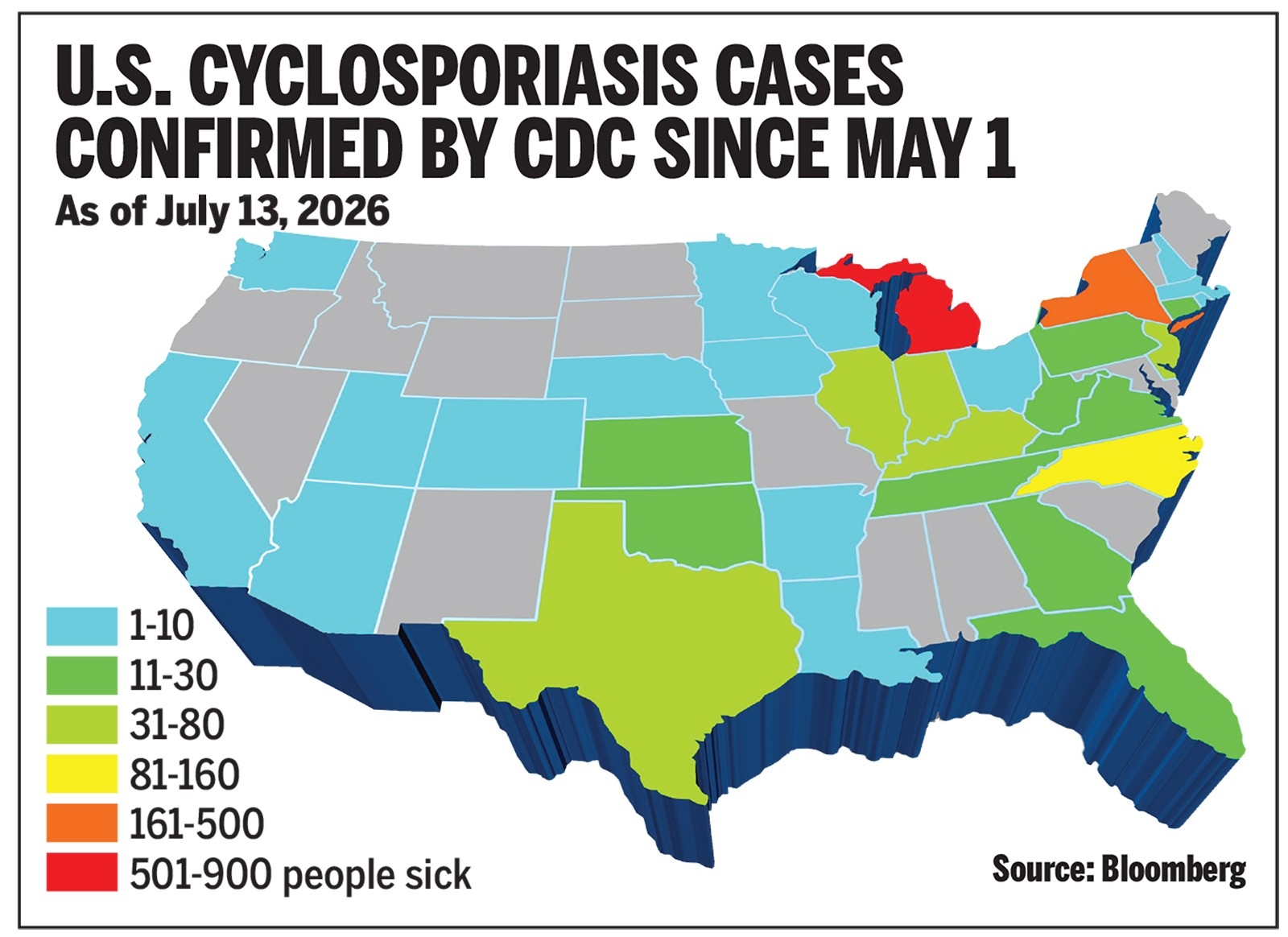
Every summer, Canadians face a reminder that fresh produce, while essential to a healthy diet, can also carry food safety risks. The latest Cyclospora outbreak in the United States has already infected more than 1,600 people, making it one of the largest in recent memory.
Despite its scale, investigators have not pinpointed a specific fruit, vegetable, farm or supplier. Accordingly, Canadian food regulators have refrained from suspending produce imports, citing a lack of scientific evidence linking any particular commodity or country of origin to the contamination.
From a regulatory standpoint, that restraint is justified. However, the way risk is communicated to the public has not kept pace with modern information habits.
Food safety agencies have become sophisticated at tracing pathogens through complex supply chains, yet they continue to rely on press releases and media interviews—tools that were designed for a different era.
Today, most Canadians turn to search engines, social media and artificial intelligence for answers, but governmental communication has largely remained unchanged.
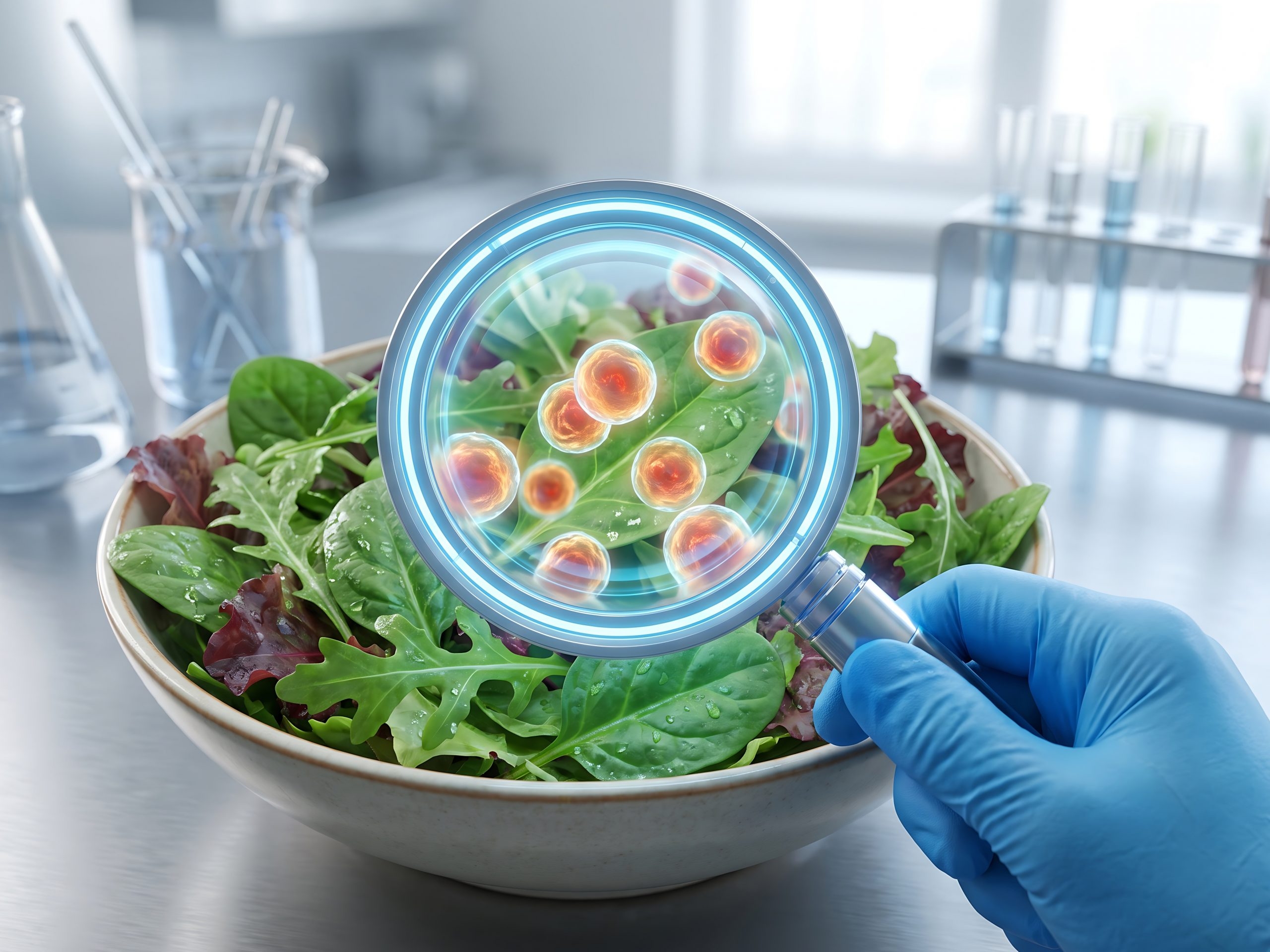
Cyclospora presents a unique challenge because consumers have little control over their exposure. The parasite is commonly associated with raw produce such as leafy greens, and washing offers only limited protection. By the time illnesses are reported, contaminated products are often no longer available on store shelves.
Adding an incubation period that can exceed a week, the public is left trying to recall meals they barely remember, making it difficult to identify the source of infection.
Public health officials must therefore balance their messaging. Overly aggressive warnings could lead to a blanket avoidance of fresh produce, harming growers, distributors and retailers, while insufficient warnings may foster a perception that authorities are withholding information.
Current risk communication often lacks precision. Headlines that mention “leafy greens” fail to distinguish between romaine lettuce, spinach, kale, arugula or mixed salads, prompting consumers to avoid the entire category.
Behavioral economists note that such spillover effects can inflict collateral economic damage on producers unrelated to the outbreak.
Artificial intelligence offers a way to refine how food safety information reaches consumers. By providing clear, evidence‑based responses to specific product queries, AI could deliver targeted guidance once a source is identified, rather than vague warnings that leave people guessing.
Regulators could move beyond static recalls and occasional updates to dynamic, AI‑ready platforms that differentiate between products known to be sources of illness, those under investigation, and those with no evidence of concern.
Equally important is a willingness to communicate uncertainty. Stating “We do not yet know, but here is what we are doing” is more credible than offering broad reassurances that may quickly unravel as new evidence emerges.
Food safety has always depended on science, but increasingly it will also depend on trust. In an era where artificial intelligence is becoming the public’s first source of information, regulators must ensure that trustworthy, evidence‑based guidance reaches consumers before speculation and misinformation take hold.
The future of food safety will not be defined solely by faster laboratory testing or more sophisticated traceback investigations. It will also be defined by the ability to communicate risk with the same precision as the science itself.