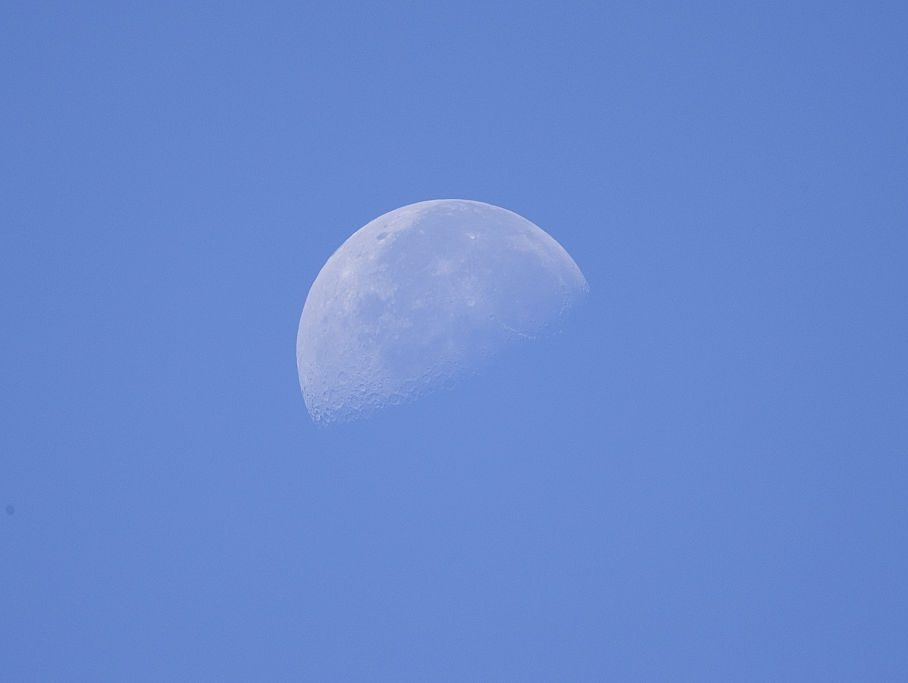
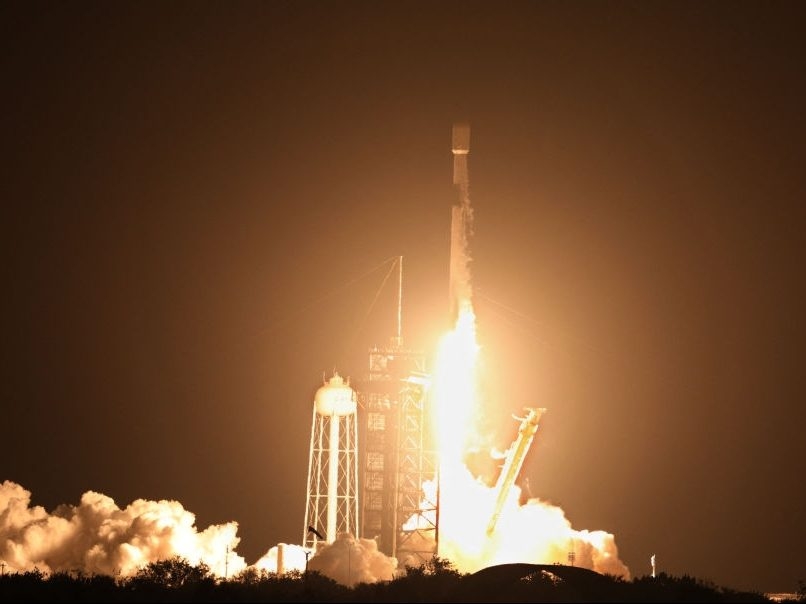
A large piece of a rocket that has been floating in space since last year has collided with the moon at high speed. The impact occurred at approximately 2:35 a.m. ET and is not expected to have any effect on Earth. Instead, it is likely to have created a new crater on the lunar surface. The object, which weighed around 4,000 kilograms, was part of a rocket that had launched a lunar lander toward the moon in January 2025.
The collision is believed to have occurred at a speed of 8,690 km/h, but none of the spacecraft orbiting the moon were in a position to capture images of the impact live. As a result, astronomers are relying on other methods to gather data about the impact and the resulting crater. The crater is expected to be around 18 meters wide and four meters deep, although more data is needed to confirm these estimates.
Despite the challenges of observing the impact from Earth, NASA is working to capture images of the site before and after the collision. This will help scientists to better understand the effects of artificial impacts on the lunar surface and to refine their techniques for tracking objects in space. The space agency has emphasized that the impact poses no danger to Earth and is instead an opportunity to gather valuable data and insights.
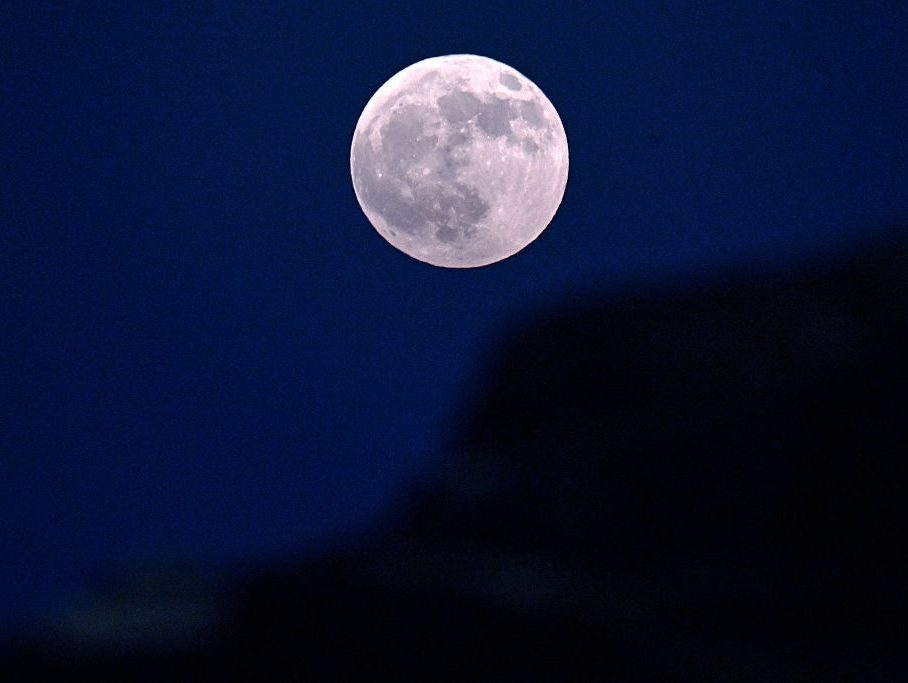
The rocket stage that collided with the moon was discarded in space after completing its mission to launch a lunar lander. This is not uncommon, as many rocket stages are left in orbit or sent to other parts of the solar system after they have completed their primary tasks. However, in this case, the rocket stage was unable to be controlled and was at risk of colliding with other objects in space, including the moon.
NASA and other space agencies are now working to prevent similar collisions in the future. This includes planning to build a lunar base and send routine astronaut missions to the lunar surface, which will help to reduce the risk of accidents and improve our understanding of the lunar environment. By studying the effects of artificial impacts on the moon, scientists hope to gain a better understanding of the lunar surface and to develop new technologies and strategies for exploring space.