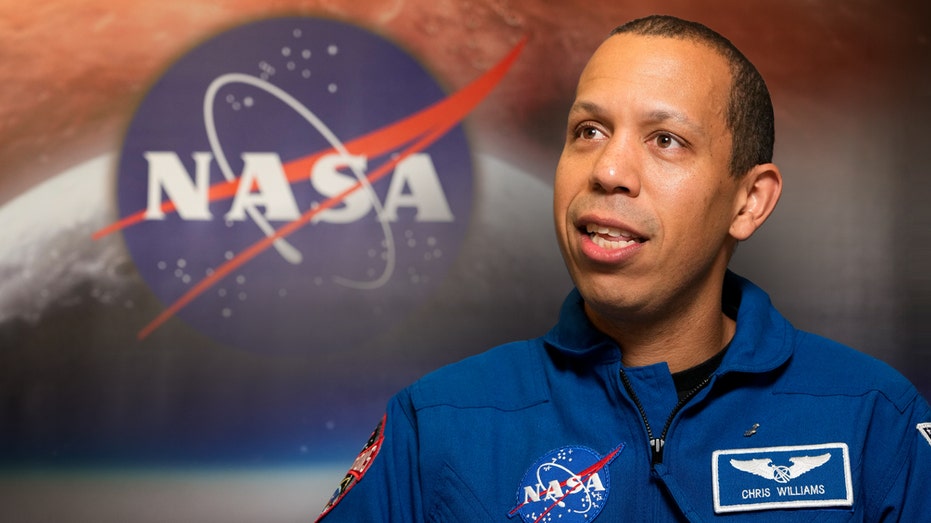
Chris Williams, a NASA astronaut, returned to Earth on July 26 after an eight‑month stint aboard the International Space Station. During his mission he completed 3,856 orbits at 17,000 miles an hour and performed two extended spacewalks, contributing to the station’s maintenance and scientific research.
The United States has intensified its focus on lunar exploration, with the Artemis II flight orbiting the Moon as a precursor to a future crewed landing. Williams’s work on the ISS aligns with that broader goal, providing data on how long‑duration spaceflight affects human health and performance.
While docked, Williams studied the impact of microgravity on the brain, balance, and bone density. He volunteered as a test subject to monitor visual changes and bone loss, helping scientists refine countermeasures for future missions to the Moon and Mars.
An unexpected air‑leak emergency forced a rapid evacuation of the station, leaving Williams alone for a month while the crew addressed the issue. The incident heightened family concern, as his wife and children in Houston watched the tense proceedings unfold on live broadcasts.
Beyond his technical duties, Williams engaged with students worldwide, turning the station into an interactive classroom. He demonstrated the use of Velcro, floated bubbles to illustrate zero‑gravity physics, and shared photographs of Earth’s light displays from orbit, sparking curiosity about space science.
Williams hails from a family of Panamanian immigrants. His grandparents migrated to New York in 1958, and his father’s early career in a Manhattan dress factory laid the foundation for a lineage of lawyers, physicians, and business leaders.
During a live broadcast from orbit, Williams celebrated Father’s Day with his parents and a congregation at a Washington, D.C., church, receiving heartfelt messages of support and safety from his father and community.
After landing in Kazakhstan, a recovery team transported him to Houston’s Johnson Space Center. His safe return underscores the resilience and ambition of America’s space program, inspiring a new generation of explorers.