Five months after the conflict began, U.S. forces have achieved numerous tactical successes against Iran's military infrastructure.
Air and naval strikes have damaged command centers, missile launchers, drone facilities, air defenses, coastal installations, logistics hubs, and key personnel.
These achievements demonstrate precision and professionalism, yet historical precedent shows that tactical gains do not guarantee strategic victory.
The strategic center of gravity is shifting from degrading Iran's capabilities to maintaining American credibility at home and abroad.
Iran has adapted by dispersing forces, hardening underground sites, employing mobile launchers, and continuing missile and drone attacks despite sustained bombing.
The U.S. strategy appears to rely on decapitation of leadership, yet the regime's endurance is rooted in ideological commitment and extensive patronage networks.
Removing leaders and facilities does not extinguish an ideology that validates suffering, raising questions about whether battlefield success translates into desired political outcomes.
Each day brings successful strikes, yet Iran persists, suggesting a risk of an open‑ended retaliation cycle without a clear political end state.
The administration now faces the challenge of converting military gains into defined political objectives, with credibility becoming a central strategic asset.
Credibility is tested by how consistently military action advances clear political goals and by adversaries' perception of U.S. patience and public support.
Domestic opinion shows two‑thirds of Americans view the war as not worth fighting, with support waning across the political spectrum.
In a democracy, sustained public confidence is essential for the longevity of costly operations, and declining support could make the conflict a pivotal election issue.
Allies are closely monitoring the conflict: regional partners seek security of energy routes, NATO allies demand assurance of U.S. capacity to manage multiple crises, and Indo‑Pacific partners question the impact on long‑term commitments.
China is assessing U.S. logistical, intelligence, and industrial capabilities, as well as the limits of American endurance in prolonged conflicts.
Observations suggest the U.S. can destroy fixed targets but may struggle to convert firepower into political submission, a lesson Beijing could apply in other theaters.
Russia and North Korea conduct similar analyses, yet China’s strategic interests make its assessment particularly consequential for U.S.–China competition.
The administration can address these challenges by articulating a limited, achievable end state: denying Iran a nuclear weapons capability, halting attacks on U.S. forces and regional shipping, and establishing predictable consequences for further aggression.
Clear deterrence thresholds should replace open‑ended retaliation, specifying triggers for strikes, conditions for de‑escalation, and pathways to negotiation.
Continued denial of access to hardened nuclear sites can be achieved through targeted strikes, cratering approaches, and sustained surveillance without committing large ground forces.
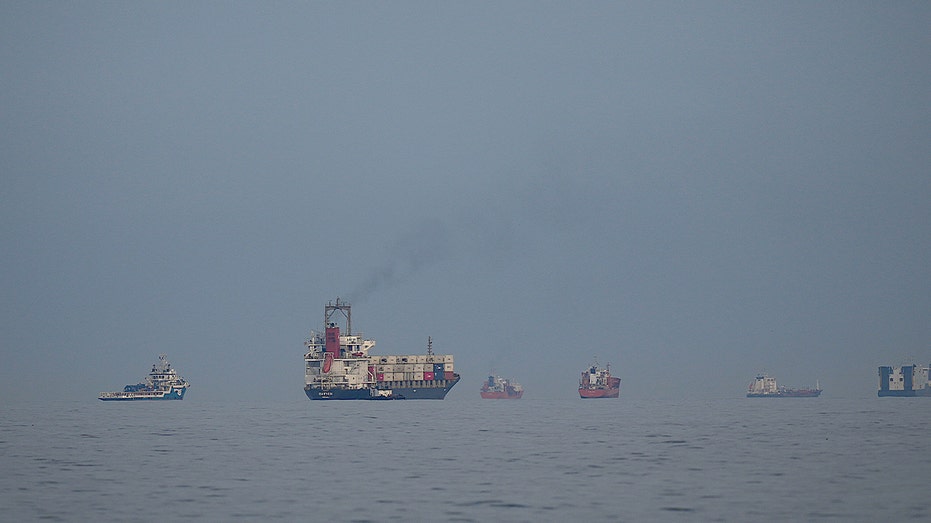
Expanding coalition participation in securing the Strait of Hormuz would distribute the burden and reinforce credibility among Gulf partners, NATO, and other maritime nations.
While Iran remains a regional threat, the United States must balance containment efforts with the need to preserve resources for the Indo‑Pacific, where China poses the primary long‑term challenge.
Military capabilities remain unmatched, but lasting success requires aligning kinetic actions with clear political objectives and shared responsibility among allies.
History will judge whether current victories translate into enduring security, strengthened credibility, and a safer nation.
The outcome will shape future policy decisions.