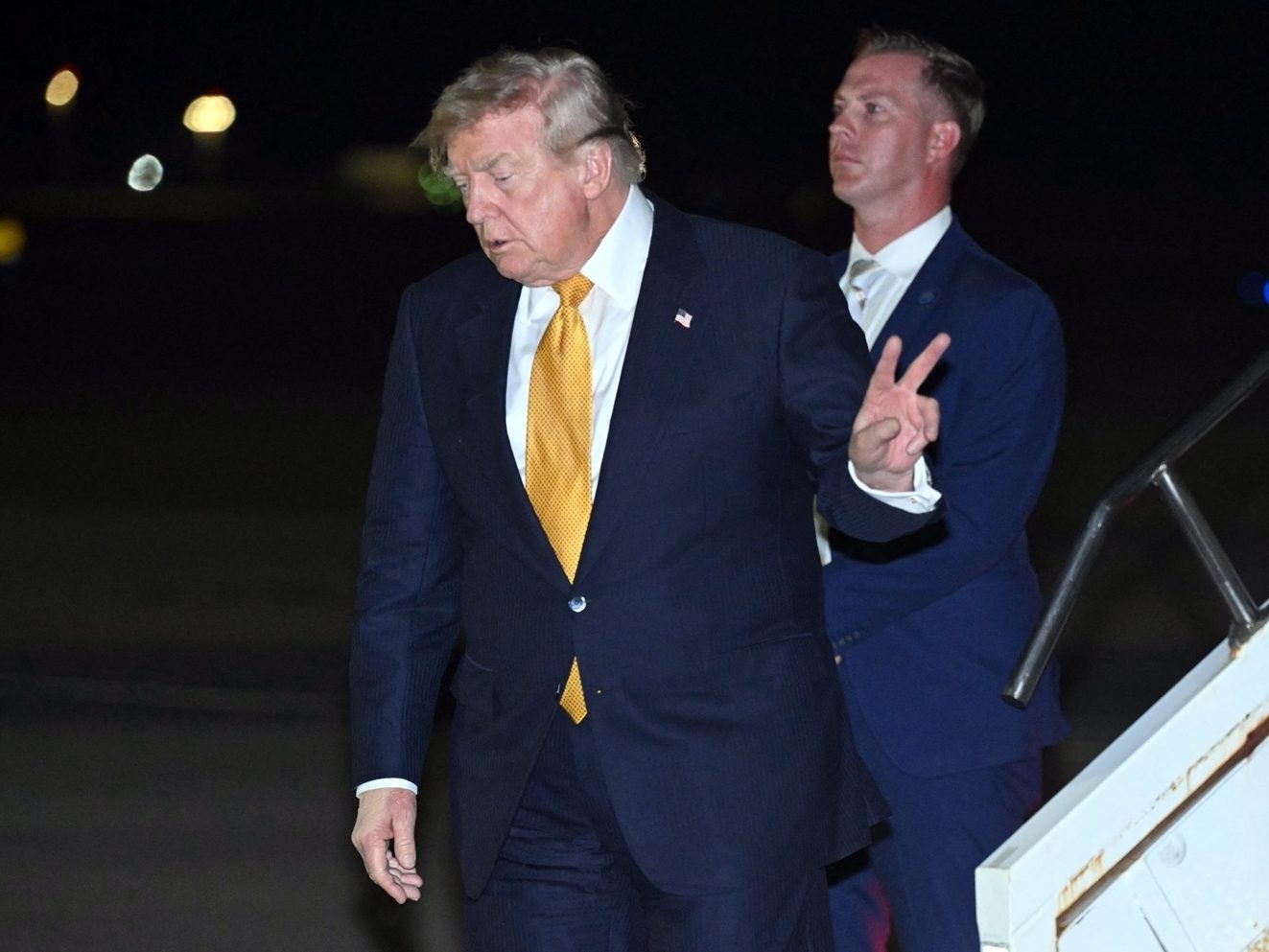
The recent NATO summit in Turkey showcased a significant victory for the US president in his push for increased defence spending among NATO allies. Despite this, the president's mood remained unchanged, with him blasting Spain for not contributing its fair share and suggesting a halt to trade with the country. The summit communique highlighted a collective increase of $139 billion in defence spending by European nations and Canada by 2025.
The call for NATO allies to pay their fair share has been a longstanding issue, with every US president since Dwight Eisenhower advocating for increased defence spending. This argument has finally gained traction, with countries realizing the need to take more responsibility for their own defence. The changing threat landscape, including the opening of the Arctic and an increasingly aggressive Russia, has also contributed to this shift.
Prime Minister Mark Carney emphasized the significance of this change, stating that countries are now acknowledging the direct threats they face and are taking steps to address them. Carney also announced an $800 million investment in a new missile system for Canada's fighter jet fleet, demonstrating the country's commitment to increasing its defence spending.
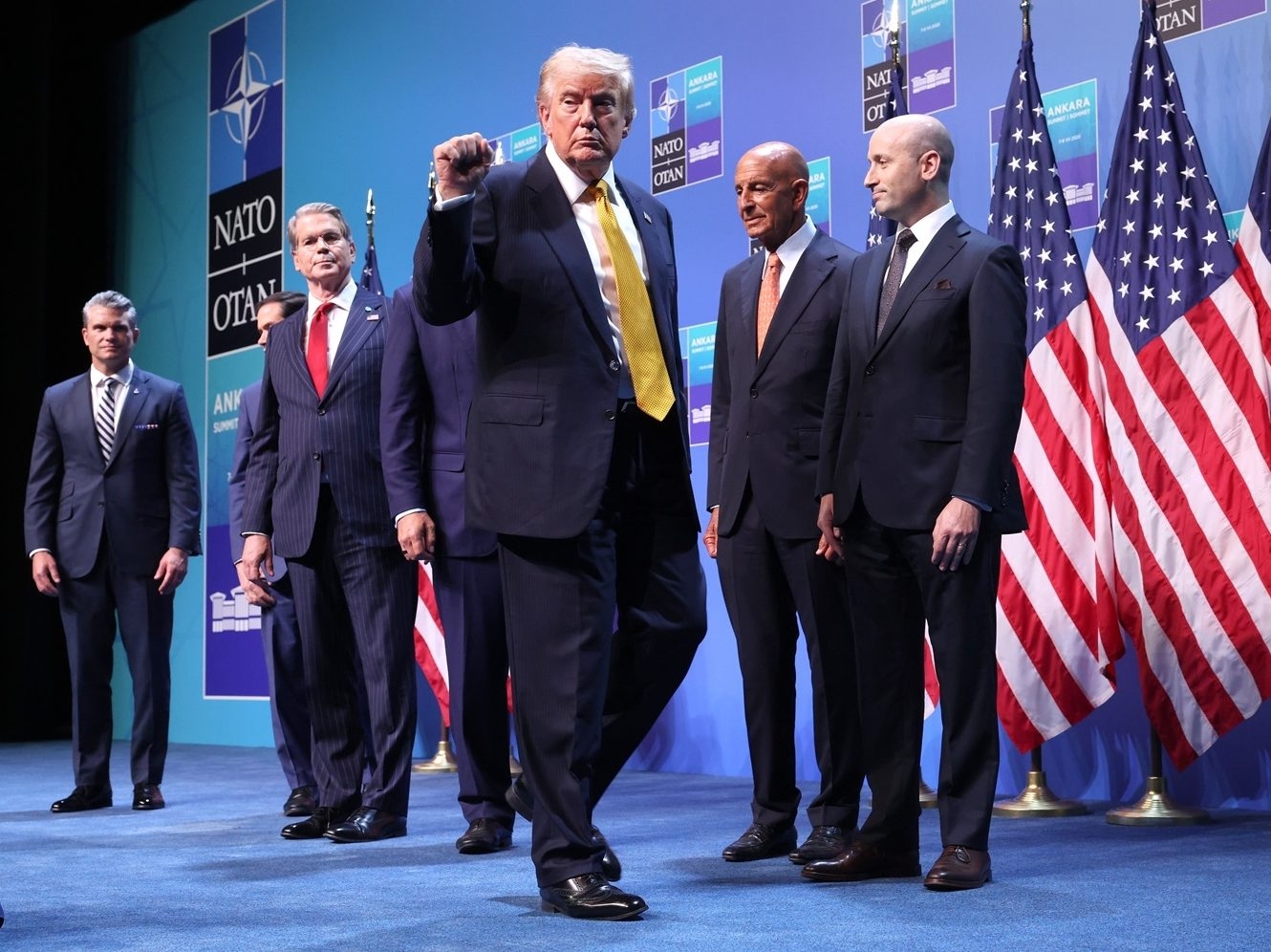
The issue of defence spending has been a major point of contention within NATO, with the US arguing that it has been subsidizing the defence of Europe and Canada while these countries focus on social programs. This is not a new complaint, with previous US presidents, including John F. Kennedy, George W. Bush, and Barack Obama, all urging NATO members to increase their defence investments.
Despite these previous efforts, it was not until now that NATO members have committed to meaningfully boosting their defence spending, with nearly every member aiming to increase their defence spending to 5% of GDP. This breakthrough, however, did not seem to improve the US president's mood, with him publicly criticizing several NATO countries, including Spain, for not backing his campaign against Iran.
The US president's comments ahead of the meeting suggested that he was not satisfied with the progress made, despite the significant increase in defence spending commitments. However, by the end of the meeting, he had struck a more positive tone, describing the other leaders as smart people and good partners. The irony of the summit was notable, with the US president winning the argument on defence spending but appearing determined not to enjoy the victory.