The Canada‑United States relationship has entered a period of heightened tension, with rhetoric and trade actions signaling a sharp decline in cooperation.
President Donald Trump announced new tariffs on Canadian imports, citing unfair treatment of American goods. The most visible measure is a 25% duty on Canadian purchases of U.S. auto components, a reciprocal response to a similar tariff imposed on Canadian vehicles. Other American automakers have not faced comparable rates, and Canadian consumers have shifted toward vehicles from Mexico, Japan, Korea, and Germany.
A separate dispute involves an alcohol import ban by eight Canadian provinces, a move attributed to U.S. tariffs. The ban has sparked criticism over its impact on American beverage companies, while the dairy sector remains a long‑standing point of contention. U.S. officials have repeatedly challenged Canada’s supply‑management system, arguing it creates an uneven playing field.
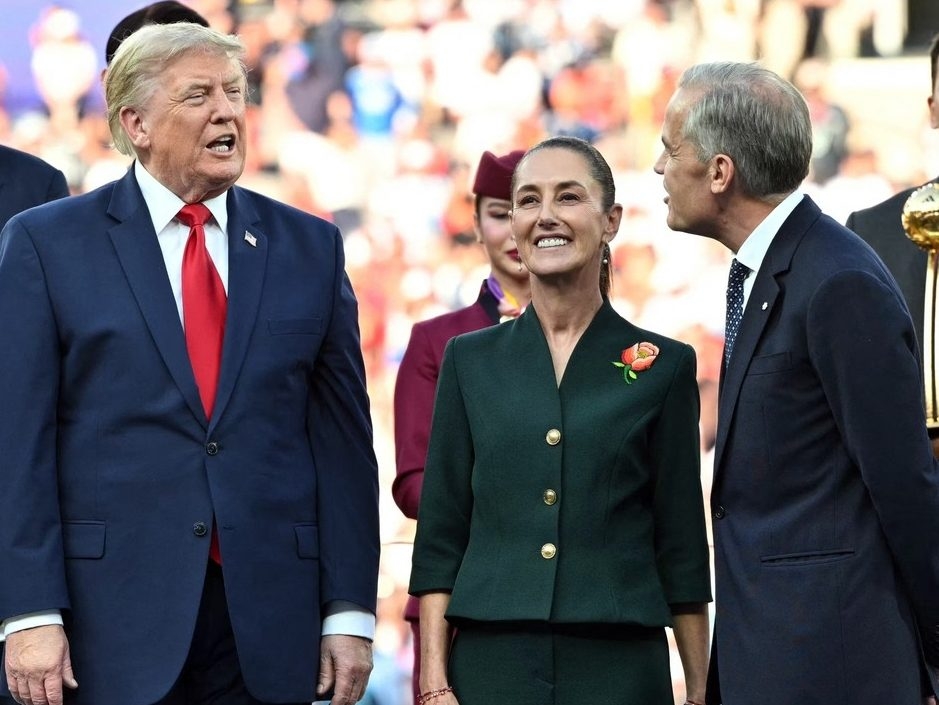
Canadian Prime Minister Mark Carney has promised to navigate these challenges, citing experience in dealing with the U.S. administration. Yet, key negotiations, such as the Gordie Howe bridge project and broader trade agreements, have stalled. Critics argue that political considerations have outweighed strategic bargaining opportunities.
Both sides have amplified anti‑nation rhetoric, with Canadian leaders and U.S. officials exchanging sharp statements. The debate over tariffs, alcohol bans, and dairy quotas has become a focal point for broader disputes over trade policy and defense priorities.
Possible pathways to improvement include revising dairy quota allocations, lifting the alcohol import restrictions, granting preferential access to critical minerals, and enhancing defense cooperation in the Arctic. In return, Canada could seek the removal of U.S. tariffs and guaranteed market access for Canadian products.
As trade tensions and public statements intensify, ordinary Canadians bear the economic burden. The escalation of tariffs and rhetoric underscores the need for a constructive dialogue to stabilize the bilateral relationship and protect shared interests.