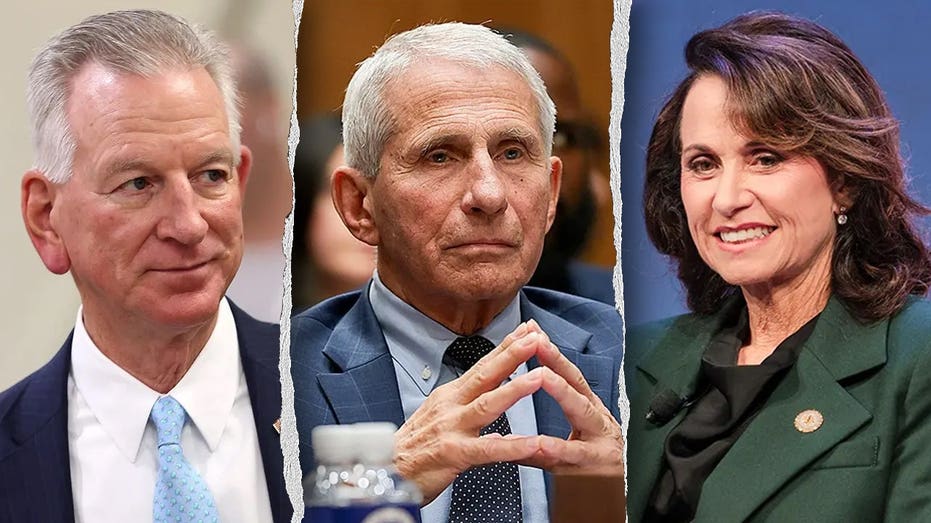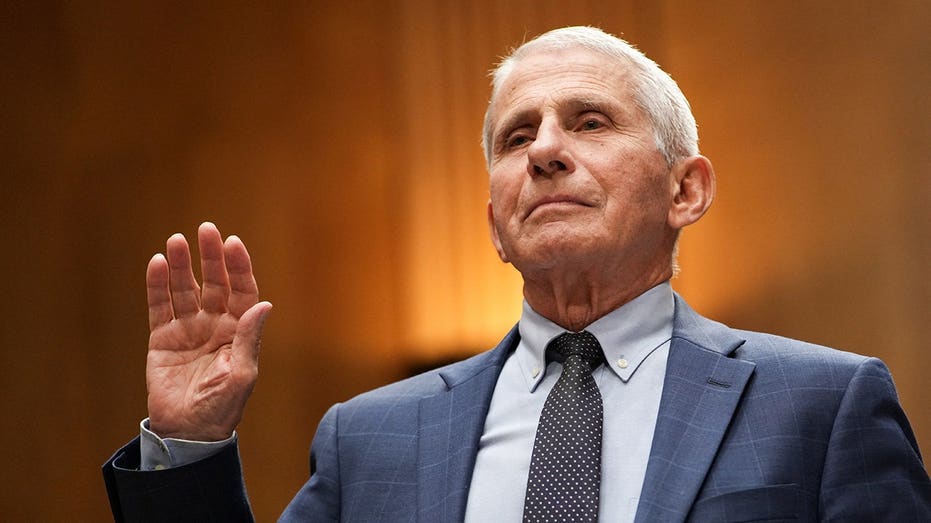
During a recent Senate hearing, the nation’s top infectious‑disease adviser invoked his Fifth Amendment right repeatedly while facing questions about the nation’s pandemic response. The unprecedented refusal to answer any inquiry, including basic details such as the day of the week, sparked a wave of criticism across social media platforms.
Online commentators highlighted a series of lockdown‑related incidents that they argue illustrate governmental overreach. One example cited a leading professional golfer who withdrew from a major tournament while holding a six‑stroke lead after testing positive for the virus, costing the winner a prize exceeding $1.6 million.
Another incident involved a lone paddleboarder in California who was arrested on a misdemeanor charge for allegedly violating local lockdown orders. The arrest, based on a lifeguard’s directive, was presented by critics as an extreme enforcement measure.
A congressional representative added a video showing a backhoe dumping sand into an outdoor skate park, describing the action as a draconian tactic used to enforce restrictions. The footage was used to underscore claims of excessive governmental control during the pandemic.
In a separate case, a mother in Ohio was tasered and arrested by a school resource officer after refusing to wear a mask while watching a football game with her children. She later pleaded no contest to a trespassing charge, a development that was amplified by critics of mask mandates.
A senator referenced the Ohio incident while questioning the pandemic adviser, linking the personal repercussions of lockdown policies to broader concerns about civil liberties. The senator emphasized that the experience shaped his political stance and campaign platform.
During the hearing, the adviser invoked the Fifth Amendment a total of 111 times, declining to answer any of the senators’ questions. The refusal included basic queries about his attire and the day of the week, further fueling public debate.
Additional recollections surfaced about high‑school athletes forced to compete outdoors while wearing masks, and political leaders reportedly violating the very restrictions they imposed. Critics argued that such contradictions eroded public trust in pandemic policies.