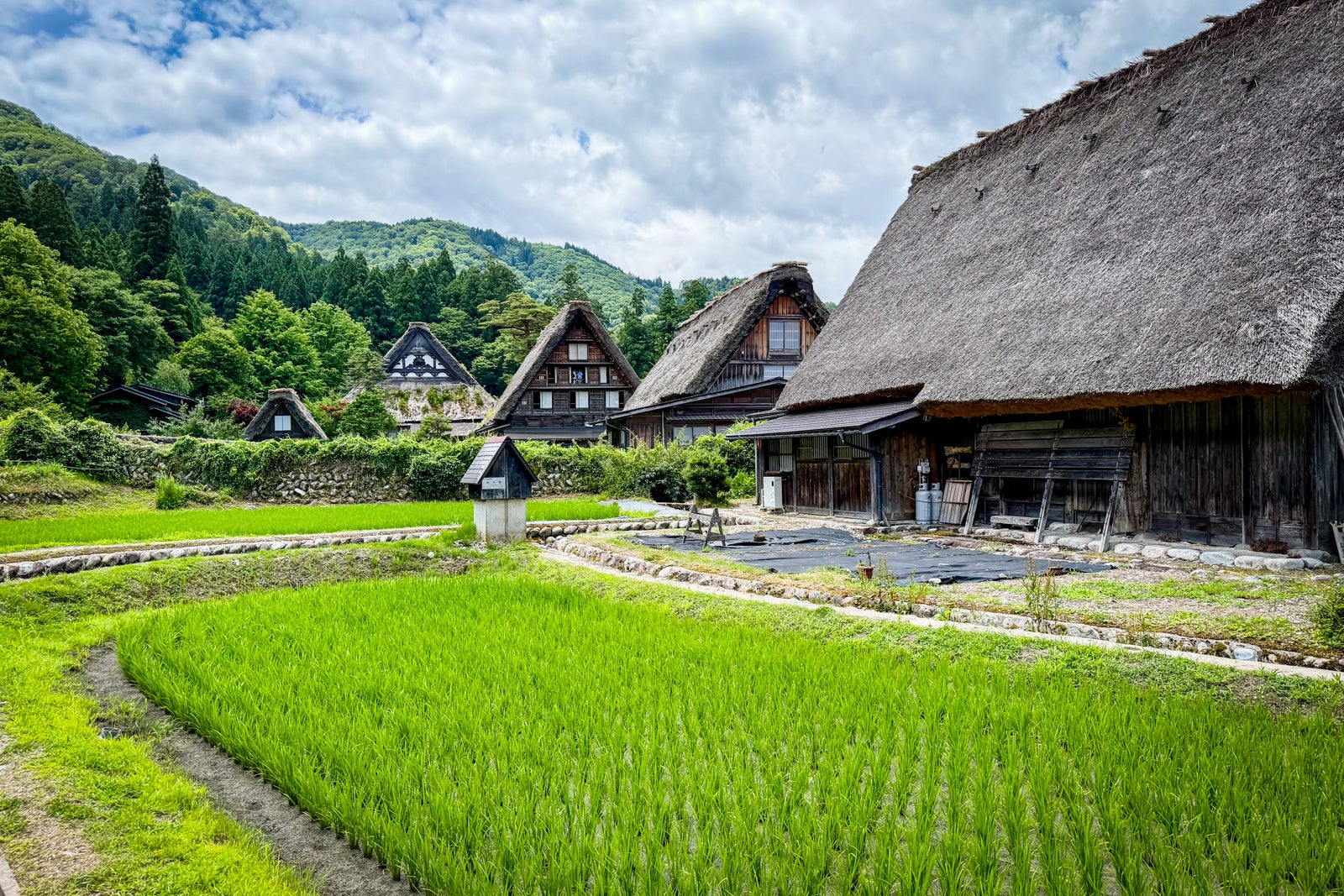
A nine‑night cruise circling Japan offers travelers a rare opportunity to visit remote cultural sites such as the UNESCO World Heritage village of Shirakawa‑go, renowned for its distinctive thatched‑roof farmhouses.
Shirakawa‑go’s gassho‑zukuri structures, built without nails and perched amid emerald rice paddies, exemplify traditional Japanese architecture that has largely disappeared from modern landscapes.
Although the village lies several hours from major hubs like Tokyo and Kyoto, the cruise’s day‑trip schedule allows passengers to explore it within an hour of the ship’s port of call.
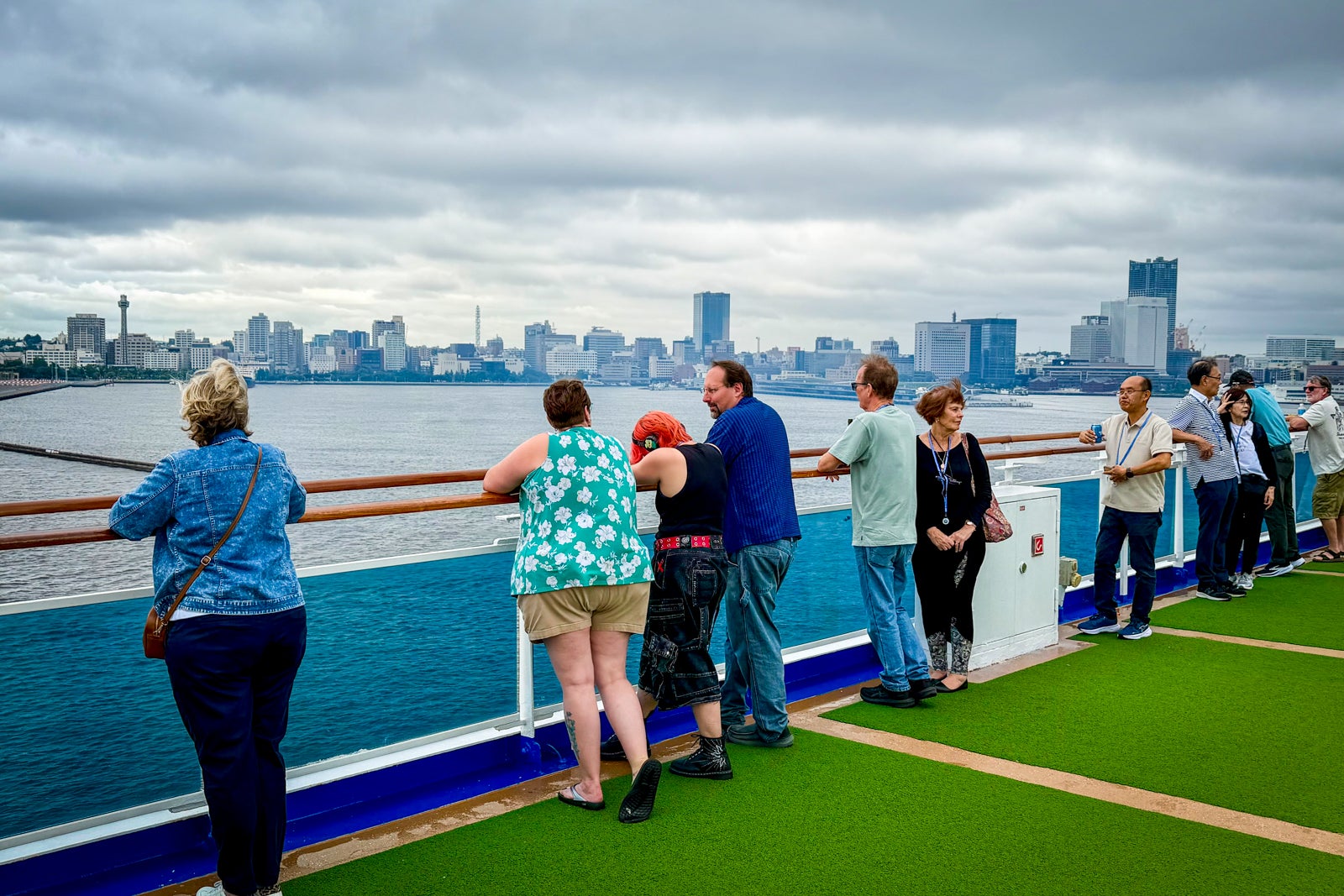
The itinerary, branded as “Circle Japan,” departs from Yokohama and visits a series of smaller ports—including Sakaiminato, Tsuruga, Toyama, Akita, and Nagasaki—providing a contrast to the typical “golden route” of Tokyo, Kyoto, Nara and Osaka.
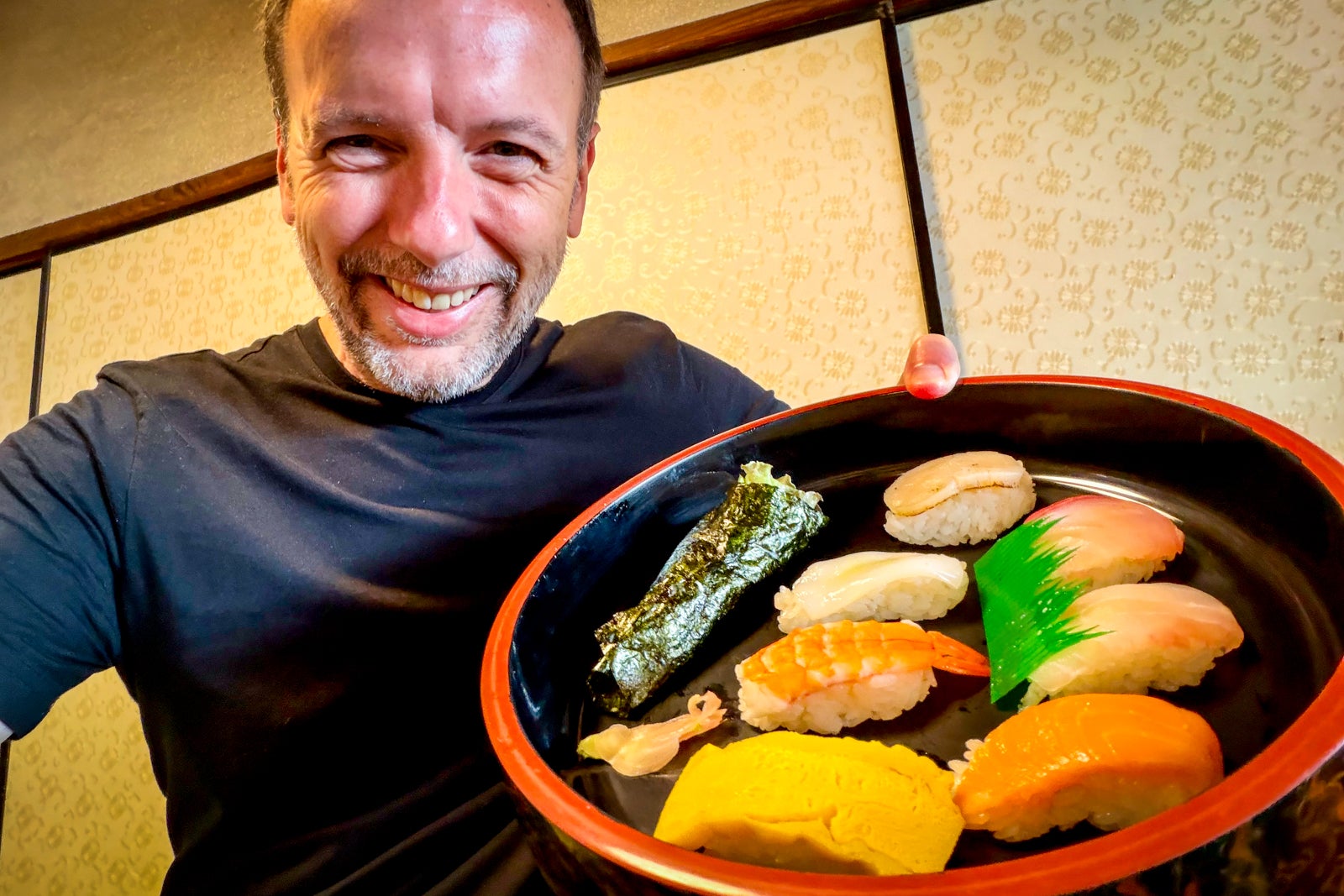
In Sakaiminato, guests observe local fishermen at work, see squid drying on lines, participate in a sushi‑making workshop, and visit a historic Shinto shrine.
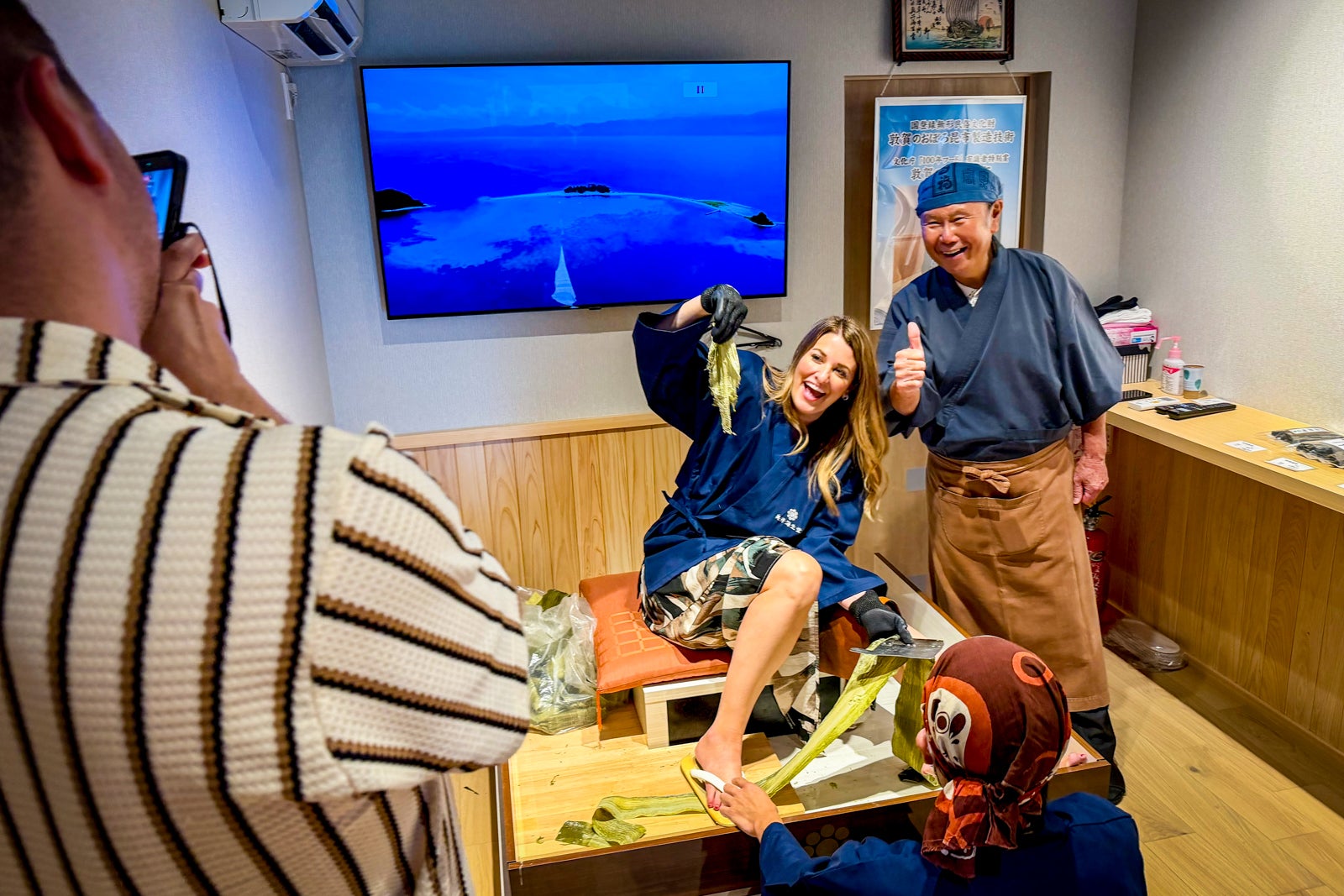
Tsuruga’s highlight is a family‑run kombu (kelp) operation, where a fourth‑generation specialist demonstrates the preparation of the prized seaweed used by top restaurants worldwide.
The Toyama stop includes a day excursion to the Japanese Alps, granting access to the mountainous region that houses Shirakawa‑go.
Akita offers a traditional tea ceremony featuring apprentice geisha, followed by a tour of a nearly 200‑year‑old miso and soy‑sauce brewery operated by a seventh‑generation proprietor, who showcases historic equipment such as wooden koji trays and cedar aging barrels.
Nagasaki’s port call includes visits to the Atomic Bomb Peace Park, the museum documenting the 1945 bombing, and the historic Dejima island, the former Dutch trading enclave from Japan’s period of isolation.
Sailing into Nagasaki’s natural harbor also provides a perspective on the city’s strategic importance, with views of the Mitsubishi Heavy Industries shipyard, a target during the atomic attack.
A stop in Busan, South Korea, satisfies international maritime regulations requiring a foreign‑flagged vessel to call at a non‑Japanese port; the city’s attractions include Haeundae Beach, the seaside Haedong Yonggungsa Temple, and the colorful Gamcheon Culture Village.
Onboard, the ship features a Japanese‑style onsen, a sushi venue overseen by a recognized chef, bilingual signage and announcements, nightly karaoke, and cultural workshops such as Bon Odori dance, yukata dressing, and origami.
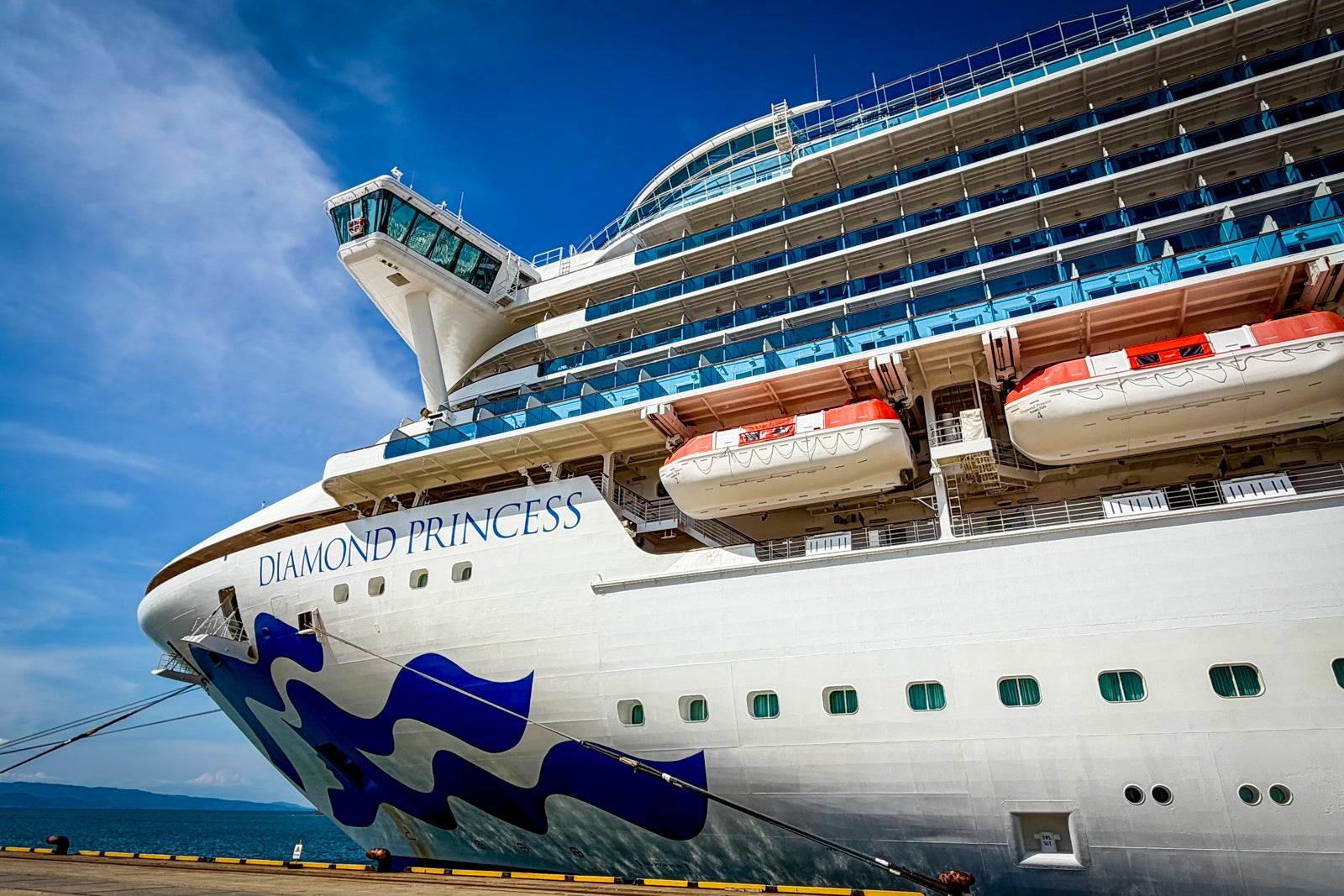
Measuring roughly 115,000 gross tons, the vessel can access ports that larger cruise ships cannot, while offering cabin rates that start near $1,000 for a seven‑night sailing, excluding optional excursions.
Overall, the cruise delivers a comprehensive view of Japan’s lesser‑visited regions and historic sites, complementing traditional land‑based itineraries and reducing the logistical challenges of independent travel.