Staying physically active remains a critical component of healthy aging, offering measurable improvements in strength, balance, and overall well‑being.
Common misconceptions—such as the belief that exercise is unsafe for older adults or that age alone limits capability—often discourage participation, yet research consistently disproves these myths.
Regular movement delivers both physical and mental advantages, including enhanced immune function, reduced inflammation, and a higher quality of life that can extend longevity.
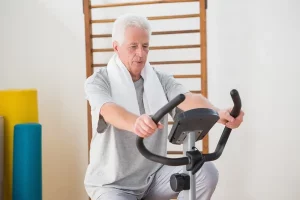
Low‑impact activities such as walking, cycling, swimming, and gentle aerobics provide effective cardiovascular conditioning; health guidelines suggest 20 to 30 minutes of moderate‑intensity exercise most days to reach 150 minutes weekly.
Starting slowly helps prevent injury; beginners may begin with brief sessions once a week, gradually increasing duration and intensity while maintaining proper form.
Partnering with a friend, family member, or community group adds accountability, motivation, and social interaction, making regular workouts more enjoyable.
Strength or resistance training, performed two to three times per week, combats muscle loss, supports bone density, and reduces frailty, even when using modest weights or body‑weight exercises.
Home‑based routines eliminate travel barriers, allowing seniors to exercise safely in familiar surroundings with minimal equipment.
A diet rich in fruits, vegetables, lean proteins, and antioxidants bolsters the immune system, while limiting excessive fats, sugars, and alcohol helps control inflammation.
Listening to the body is essential; dizziness, sharp pain, or excessive shortness of breath warrants an immediate pause and medical consultation.
Water aerobics offers a joint‑friendly alternative, using buoyancy to lessen stress while providing resistance for strength and cardiovascular gains.
Consistent stretching, especially after a warm‑up, preserves flexibility, improves circulation, and reduces injury risk; holding each stretch for 15‑30 seconds targets major muscle groups.
Dancing combines aerobic exercise with balance and coordination training, and its social nature supports mental health; sessions of 30 minutes several times a week are recommended.
Before initiating any new fitness regimen, seniors should seek professional medical advice to identify safe activities and address pre‑existing conditions.