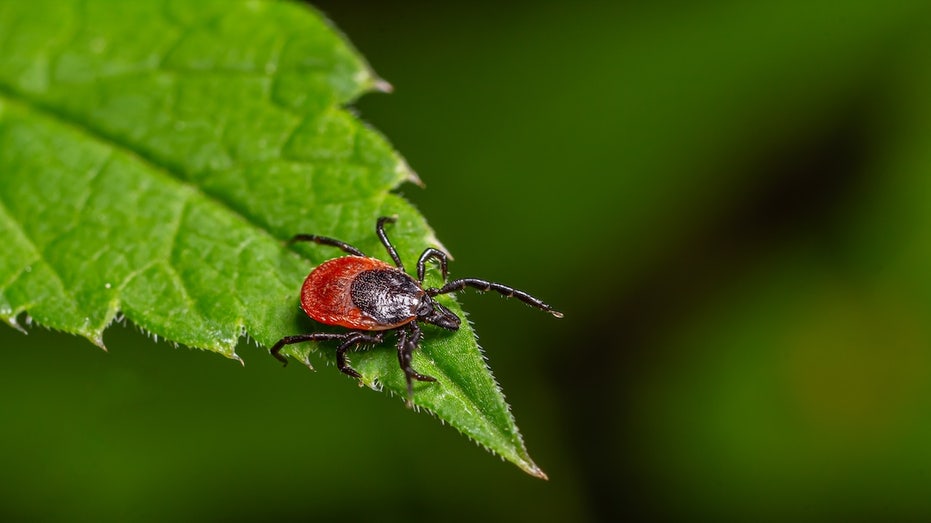
The diagnosis of a rare bacterial infection, tularemia, has highlighted the growing concern of this disease in the United States. A boy was recently diagnosed with tularemia after nearly a month of illness, and doctors believe he contracted the disease through a tick bite.
Tularemia, caused by the bacteria Francisella tularensis, is a zoonotic disease that can spread from animals to humans. The bacteria is a "tier-1 select agent," classified as a bioterrorism risk due to its potential for mass casualties and severe threat to public health and safety. Despite its rarity, with 196 reported cases in 2023, the disease has become more common in recent years.
The Centers for Disease Control and Prevention (CDC) has reported a 56% increase in incidence of tularemia between 2011 and 2022, compared to the previous decade. Experts attribute this rise to improved detection methods, such as PCR testing, which has become more widespread. Tularemia can be contracted through bites from deer flies or ticks, contact with infected animals, or exposure to contaminated water or aerosols.
Symptoms of tularemia can vary depending on the type of disease, but common symptoms include chills, headache, malaise, fatigue, and abdominal pain. If left untreated, tularemia can be life-threatening and requires prompt antibiotic treatment. Those most at risk for tularemia include children between 5 and 9 years of age, older men, American Indian and Alaskan Native people, and those living in central U.S. states.
Experts stress the importance of prevention and prompt medical attention if symptoms arise. Those who hunt or interact with rabbits regularly should be aware of the risks and seek medical attention if they develop any concerning symptoms. While a vaccine is not currently available, antibiotics can effectively treat the infection if administered promptly.