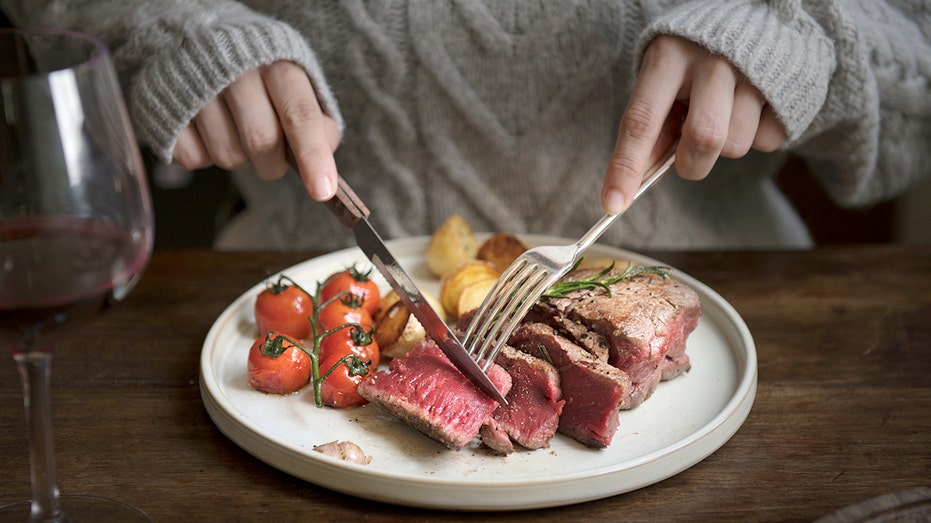
New scientific analysis suggests that reducing protein intake, rather than cutting calories, could be a more practical strategy for extending healthspan in adults who lead sedentary lifestyles.
While calorie restriction has long been linked to longer lifespan and lower incidence of age‑related diseases, many individuals find strict low‑calorie diets difficult to sustain. The review indicates that modest protein restriction can achieve comparable metabolic improvements without the challenges of calorie counting.
Examining over 350 studies, the analysis found that lower protein consumption correlates with enhanced metabolic function, altered nutrient‑signaling pathways, decreased cellular damage, and improved cellular maintenance.
A key driver of these benefits appears to be the hormone fibroblast growth factor 21 (FGF21). When protein intake is limited, FGF21 levels rise, which animal research has shown can boost energy expenditure, suppress inflammation, improve blood‑sugar regulation, and potentially extend lifespan.
The review highlights three essential amino acids—methionine, isoleucine and valine—as influential in aging pathways. Excessive levels of these amino acids may keep growth‑related processes continuously active, fostering cellular damage, systemic inflammation, and weight gain over time.
“Protein is essential for muscle growth and exercise response in active individuals,” a lead researcher noted. “However, most sedentary people likely consume more protein than needed, which may have adverse health effects.”
Because the findings stem from a literature review rather than a new clinical trial, they identify patterns but cannot establish direct cause‑and‑effect relationships in humans. Longer‑term human studies are required to determine whether the metabolic advantages translate into increased longevity.
Physically active individuals and athletes metabolize protein differently, as regular exercise channels dietary amino acids toward muscle repair rather than allowing excess to accumulate in the body.
High protein intake remains critical for pregnant women and older adults who face age‑related muscle loss, underscoring the need for nuanced dietary guidance.
The evidence suggests that public health recommendations should move away from universal protein targets and instead tailor intake levels to an individual’s age and activity profile.