Choosing a facelift is a deeply personal decision, and selecting the right surgeon can have lasting effects on both appearance and confidence.
A facelift is more than a cosmetic touch‑up; it is a complex surgical procedure performed on the most visible part of the body. The quality of the outcome hinges on a surgeon’s training, judgment, anatomical knowledge, technique, and overall philosophy.
For residents of Tampa, the priority should be a natural, refined result that preserves individual identity rather than an aggressive transformation or a low‑price offer.
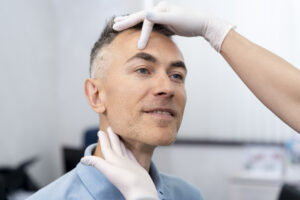
An exceptional facelift leaves the patient looking rested and elegant, with no overt signs of surgery.
To make an informed choice, patients should evaluate several critical factors.
Board certification is the first filter. Surgeons who hold certification from the national plastic surgery board have completed comprehensive training and adhere to strict safety and ethical standards.

Specialization matters. Surgeons focused on facial rejuvenation possess a deep understanding of facial aging, including skin quality, volume changes, and the structural layers that support the face and neck.
One‑facelift‑per‑day practice is an important indicator of a surgeon’s commitment to precision. Limiting the number of procedures in a day allows for meticulous incision planning, careful closure, and thorough postoperative care.
Reviewing before‑and‑after images is essential. Look for subtle improvements—cleaner jawlines, natural neck contours, and balanced facial proportions—without a pulled or distorted appearance.

Modern facelifts emphasize structural repositioning over skin tightening alone. Techniques that address deeper support layers reduce tension on the skin and prevent an artificial look.
During consultation, ask how the surgeon achieves natural results, manages deeper support layers, and customizes the procedure to each patient’s anatomy. A clear, educational discussion signals a thoughtful approach.
The lower face and neck are common concerns. A balanced outcome requires attention to jawline definition, neck laxity, and the transition between the face and neck without over‑tightening.

Patient reviews provide insight into the overall experience. Look for consistent themes of natural results, respectful communication, privacy, and solid postoperative support.
While cost is a factor, it should not be the sole determinant. Consider the technique, certification, patient volume, anesthesia, facility standards, and recovery plan when evaluating value.
A thorough consultation examines medical history, facial anatomy, aging patterns, goals, available techniques, risks, and recovery expectations. It should also leave room for patient questions and a customized surgical plan.
Patients often prefer boutique practices that offer individualized attention and privacy over high‑volume centers. A limited patient load can lead to more focused planning and care.
In summary, the ideal Tampa facelift surgeon is board‑certified, specializes in facial rejuvenation, prioritizes structural techniques, limits daily cases for precision, and operates within a boutique setting that emphasizes personalized care.
When the outcome looks like an enhanced, refreshed version of the patient—rested, elegant, and unmistakably recognizable—the facelift can be considered a success.