As people age, maintaining the ability to move freely becomes a top priority. A simple, quick assessment of lower‑body strength is gaining attention as a reliable indicator of overall mobility and fitness.
The 30‑second chair‑stand test measures how many times an individual can rise from a standard chair within half a minute. The number of repetitions reflects leg strength, muscular endurance, balance, and the risk of falling.
Interest in this test has surged recently, underscoring a broader focus on functional fitness and preventive health among older adults.
Because the movement mirrors everyday actions such as standing up from a seat, the test offers a practical gauge of everyday strength and stability. It is frequently used by health professionals to screen for fall risk.
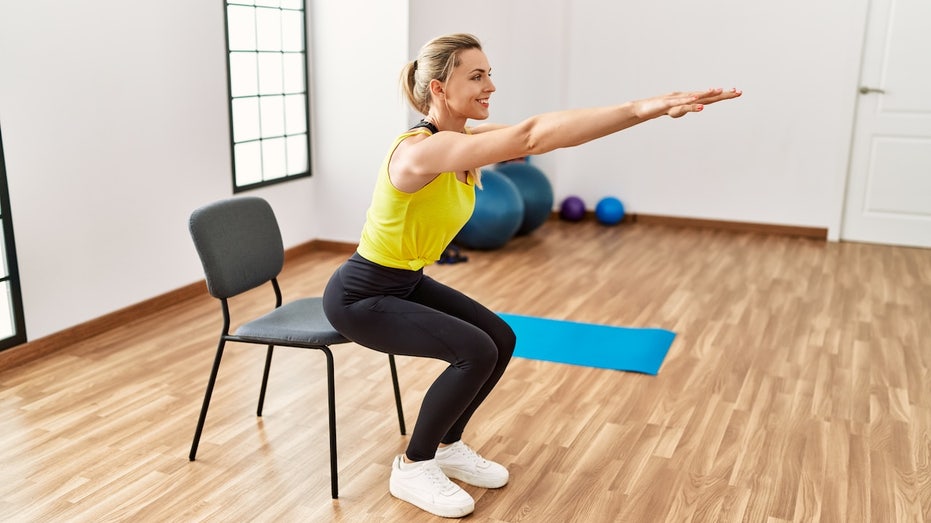
To perform the test, a sturdy chair is required. Sit with feet flat on the floor, then stand fully and return to the seated position as many times as possible in 30 seconds, recording the total count.
Individuals experiencing balance problems, recent surgery, severe joint pain, or cardiovascular concerns should consult a healthcare provider before attempting the test.
Benchmarks differ by age and gender, but higher counts generally indicate better lower‑body strength. The focus should be on gradual improvement rather than a single score.
Strengthening exercises can enhance performance. Squats, lunges, and calf raises target the quadriceps, hamstrings, glutes, and calves while placing limited stress on the hips and spine.
Squats involve standing with feet shoulder‑width apart, lowering into a seated position, and rising while keeping the back straight and chest up.
Lunges require stepping forward, forming a right angle at the knee, and returning to the starting position, repeating on the opposite leg to identify and correct imbalances.
Calf raises are performed by lifting the heels off the floor, holding briefly at the top, and lowering slowly to strengthen the calf muscles essential for daily movements.
Age‑related muscle loss, known as sarcopenia, can reduce strength and increase injury risk. Strengthening the lower body helps counteract this decline.
Maintaining leg and hip strength supports essential activities such as climbing stairs, rising from chairs, carrying groceries, and walking confidently.
Improved mobility and reduced fall risk enable individuals to stay active and independent throughout later life.