Factory workers drive production and innovation, yet the nature of their work exposes them to significant hazards.
Sprains, strains, slips, falls, and contact with harmful substances are common, leading to serious injuries and long‑term health problems.
These incidents not only threaten employee well‑being but also reduce productivity and raise operational costs.
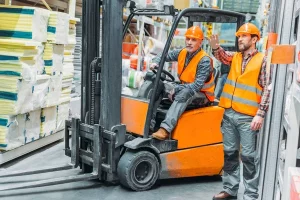
Manufacturing environments often feature high pollution levels and complex machinery, making safety protocols essential for every worker.
Personal Protective Equipment, worn from head to toe, is the first line of defense against injury and exposure.
Adhering strictly to established safety rules and regulations helps prevent accidents and protects all personnel.
Proper handling of equipment—using designated tools, wearing eye protection, and following manufacturer instructions—minimizes risk.
Immediate reporting of any workplace hazard ensures that problems are addressed before they cause harm.
Maintaining situational awareness, especially when operating heavy machinery, reduces the likelihood of accidental injury.
Regular inspections and maintenance of machines detect faults early, preventing breakdowns that could lead to accidents.
Workers should avoid operating unfamiliar or complex machinery without proper training and supervision.
Electrical safety demands that live wires and open circuits remain clear of flammable materials and that protective covers are used.
A clean, dust‑free environment and unobstructed emergency exits are critical for preventing both health issues and evacuation delays.
Using correct lifting techniques—bending the knees, keeping the back straight, and avoiding twisting—prevents back injuries and other musculoskeletal problems.
Scheduled breaks help combat fatigue, improve concentration, and reduce the chance of errors that could lead to accidents.
Routine hand washing and the use of sanitizers limit the spread of illness, keeping the workforce healthy and productive.
Awareness of chemical hazards, including reading safety data sheets and using appropriate protective gear, protects workers from acute and chronic exposure.
Prioritizing health and safety not only safeguards employees but also sustains the efficiency and reliability of the manufacturing process.