
For three decades, pediatrician John Snyder relied on the nation’s public health agency for the latest guidance on infectious diseases, travel vaccinations, and vaccine safety information.
Trust eroded after a presidential administration appointed a health secretary who dismissed the agency’s vaccine advisory board and replaced members with individuals skeptical of vaccines, prompting many physicians to question the agency’s credibility.
The perceived loss of scientific reliability left pediatricians searching for alternative sources to fill the information gap, with some launching independent vaccine education initiatives in partnership with local health departments.

In early January, the agency removed several vaccines—including rotavirus, COVID‑19, influenza, hepatitis A and B, and meningococcal disease—from the recommended childhood schedule, a move later overturned by a federal judge after medical groups sued.
The rapid policy reversals created confusion for both the public and health providers, leading Snyder’s practice to update its website, stating that the agency is no longer considered a reliable source and directing families to state health officials and professional medical organizations.
During routine visits, Snyder now faces more tense conversations with parents; one mother agreed to a series of four vaccinations for her one‑year‑old after reviewing agency‑issued information sheets, despite the practice’s broader caution toward the agency.
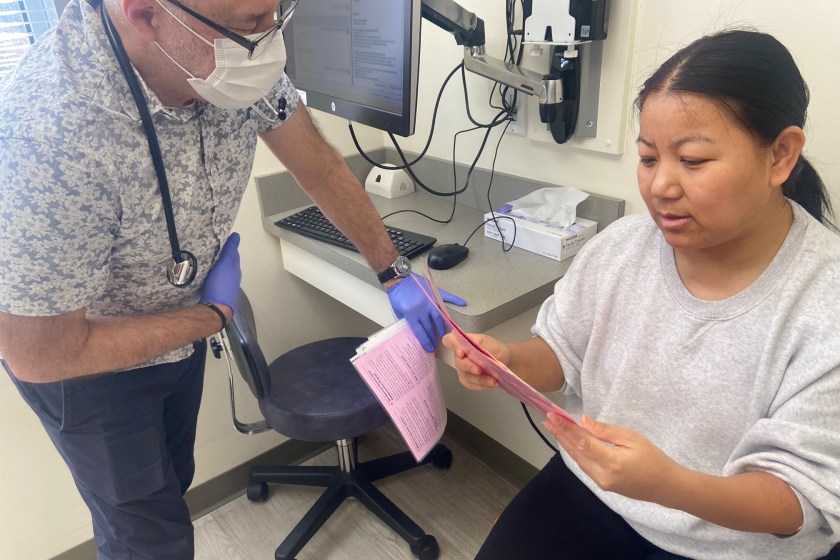
He notes the irony of providing CDC‑branded materials while advising patients to seek guidance elsewhere, a contradiction that fuels heated discussion in clinical settings.
In another appointment, a teenager received the HPV vaccine after his mother deferred the decision to him, while she remained opposed to the COVID‑19 vaccine and expressed uncertainty about whom to trust for vaccine safety.
The mother explained that politicization of vaccine guidance has driven her to rely on direct communication with healthcare professionals rather than federal sources.
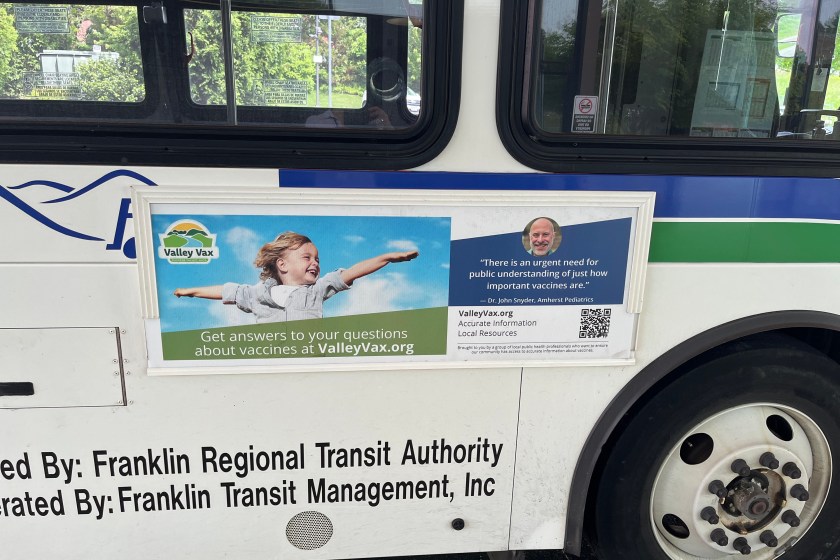
In response, Snyder joined an independent campaign called Valley Vax, which collaborates with regional pediatric practices and health departments to offer vaccine information rooted in local expertise and national medical societies.
Valley Vax promotes its resources through community channels, including bus advertisements featuring local doctors, while deliberately avoiding overt criticism of the federal agency.
Public health officials acknowledge that certain agency data, such as influenza‑like illness tracking, remain valuable, but they emphasize the need for complementary sources that maintain public confidence.
Several western states have formed a health alliance to ensure access to credible information, and a coalition of governors and territories has established a public health partnership in reaction to declining trust in federal health institutions.
Local health departments are increasingly partnering with community and faith leaders, guiding residents toward professional medical organizations whose recommendations evolve with scientific evidence rather than fluctuating legal challenges.