
The Federal Office for the Protection of the Constitution and the Federal Office for Information Security have issued a new guide to help users verify whether their Signal account has been compromised.
Phishing operations that masquerade as Microsoft support remain common. Attackers contact victims through phone calls, email or pop‑up alerts claiming a Windows security problem. They then pressure recipients into installing remote maintenance software that can give attackers full control of the device.
A particularly alarming tactic is the fake Microsoft Defender warning. The built‑in antivirus is free, so any notice demanding a renewal fee is a fraud. Users should delete such emails or close pop‑ups without entering any payment details.
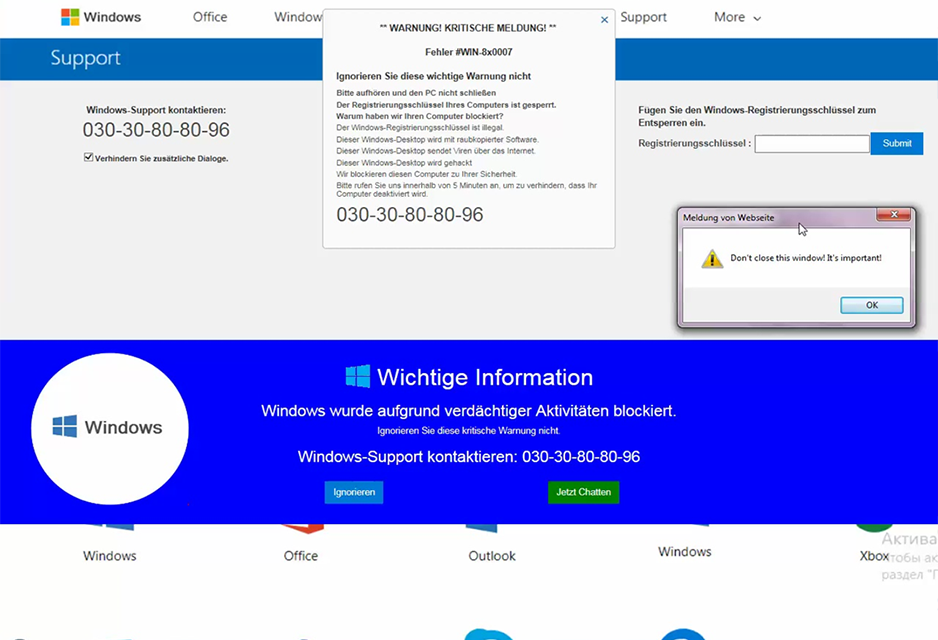
Phishing via cloud services has grown more sophisticated. Messages that appear to be legitimate OneDrive sharing notifications often contain manipulated documents aimed at harvesting login credentials. Victims who provide their cloud or email passwords can be used to launch further attacks.
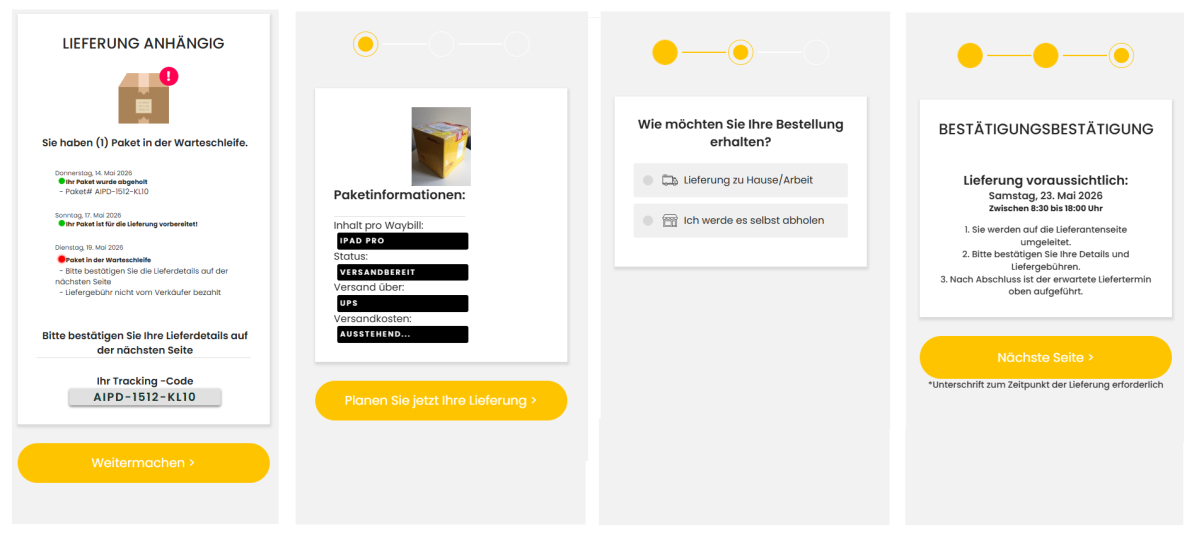
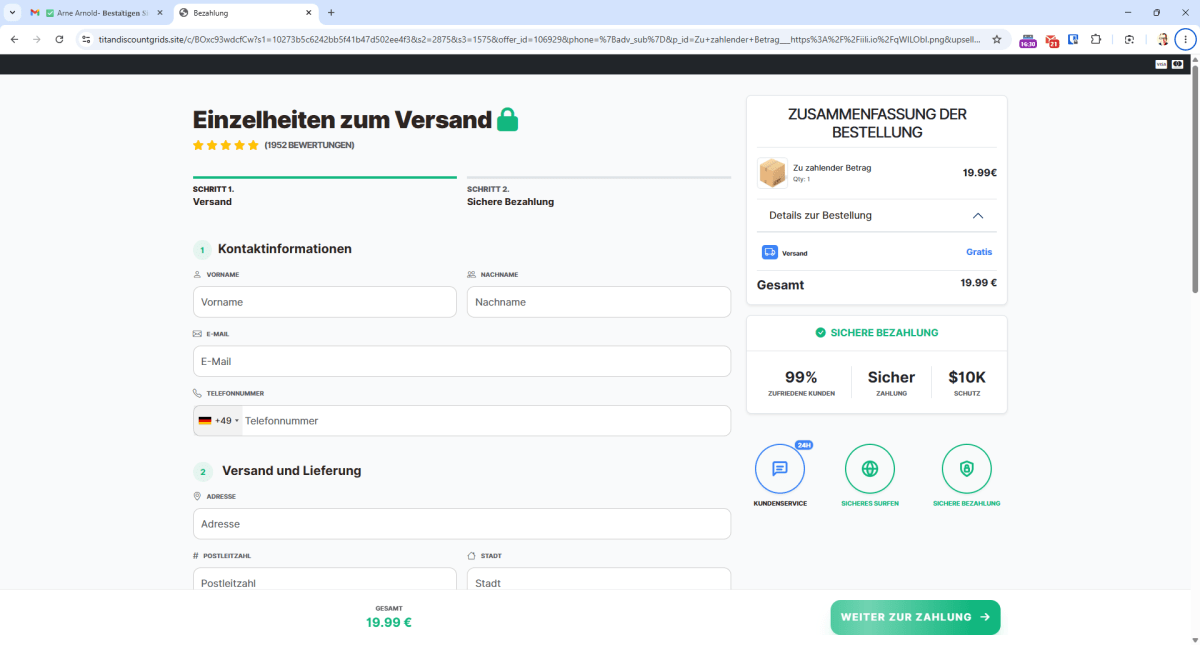
Delivery‑service phishing also persists, exploiting the everyday expectation of package notifications. Attackers send emails or messages that mimic real logistics updates, then request personal details or payment for supposed delivery fees. The urgency and familiarity of the context increases the likelihood of victim compliance.
Banking phishing remains a constant threat. Recent campaigns target customers of major banks with messages demanding mobile‑number confirmation or a “photo‑TAN” update. Links in such emails should never be clicked; instead, users should log into their bank’s official website directly or call the institution to verify the request.
Postal phishing, or Postident fraud, arrives in physical mail and asks recipients to confirm details for a new loan. Criminals obtain personal information through fake property listings and other data breaches, then use it to authorize large loans. Awareness of the procedure and careful scrutiny of unsolicited letters can prevent losses.
Typical phishing signals include unsolicited contact, urgent requests, suspicious links or QR codes, and generic greetings. Reputable companies rarely ask for sensitive information through email or text, and they usually address recipients by name.
Defensive steps involve avoiding links in suspicious messages, manually entering URLs, using password managers that flag fake sites, and enabling multi‑factor authentication. Remote support tools should only be installed after confirming the caller’s identity, and cloud file shares should be verified by contacting the sender directly.
Additional safeguards include reliable antivirus software, browser security extensions that block known phishing sites, and specialized analysis tools that evaluate suspicious messages before they are opened.


