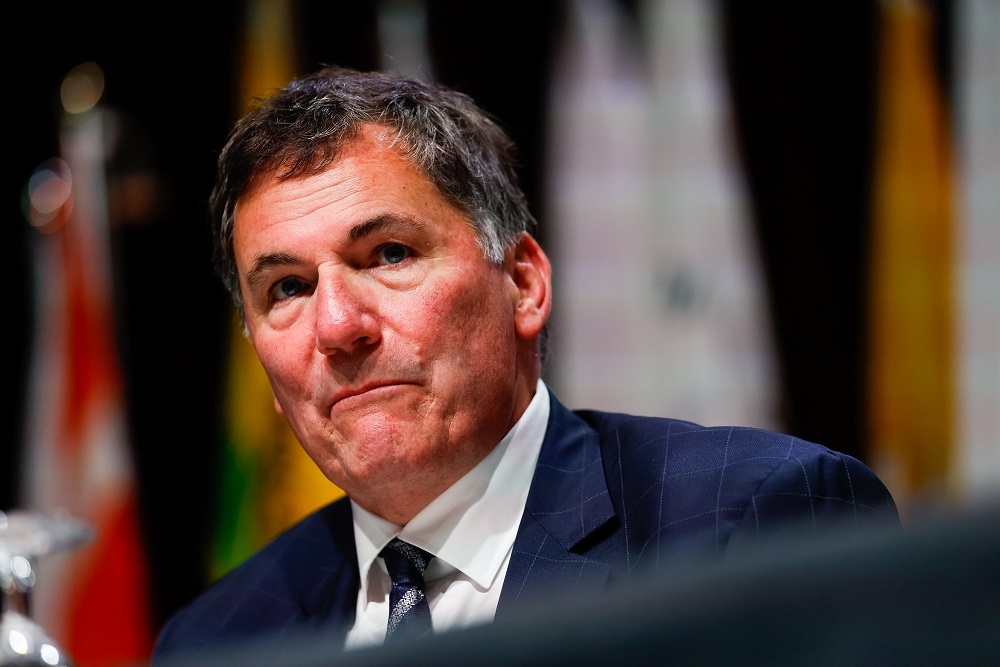
Canada’s trade minister Dominic LeBlanc flew to Washington for a second visit in two weeks, aiming to address escalating trade tensions after new tariff threats from the United States.
LeBlanc was joined by chief negotiator Janice Charette for a series of trade‑related meetings, underscoring the urgency of the negotiations.
The United States has announced a potential 50% tariff on Canadian products such as wine, hockey sticks, and cement, citing alleged discriminatory practices. The tariffs are set to take effect in a few weeks unless a settlement is reached.
These tariff measures follow a U.S. ban on certain Canadian alcoholic beverages. Canadian provinces have defended the ban as a response to U.S. actions, with Premier Doug Ford noting the timing of the restrictions.
Canadian officials have expressed a willingness to negotiate, but U.S. leadership has indicated a preference for independence over a bilateral agreement, suggesting limited interest in a deal.
The Canada‑U.S.-Mexico Agreement will be subject to annual reviews after the three countries failed to renew it on July 1, adding further complexity to the trade relationship.
Simultaneously, Canada’s Prime Minister has been pursuing trade agreements with European partners, signaling a strategic shift away from U.S. influence. Statements made at an international economic forum highlighted a broader geopolitical realignment.
The trade dispute reflects wider global tensions across technology, energy, commerce, and geopolitics, with integration being employed as a strategic tool by various actors.