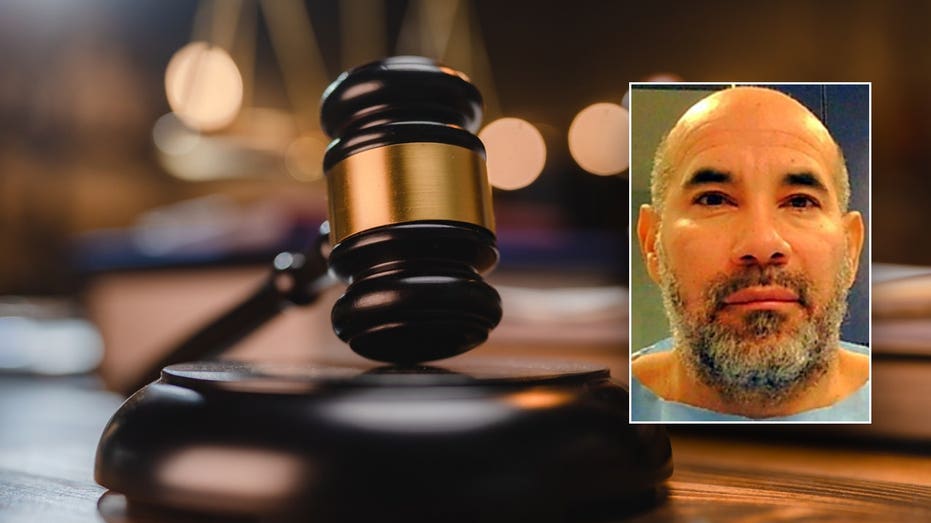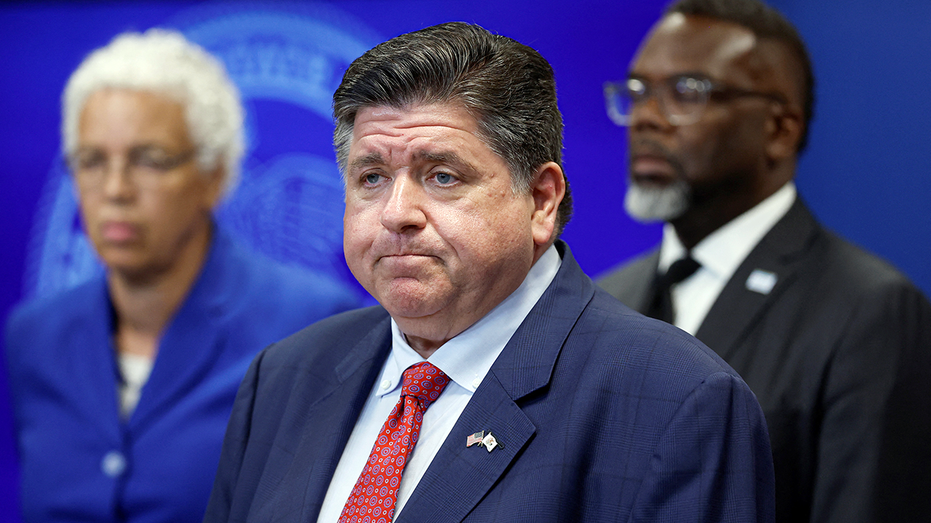
A repeat offender was charged with trespassing at the Chicago home of Illinois Governor JB Pritzker over Independence Day weekend, sparking renewed criticism from Republicans and crime-policy critics over the governor's public-safety record. The incident involved Dwayne Cortez Milton, who was arrested after allegedly jumping a fence and entering the governor's backyard. Milton faces a trespassing charge and was initially released from custody pending trial. However, he remains in custody due to a separate theft case, to which he pleaded guilty.
Milton's extensive criminal history and the fact that he was allegedly under electronic monitoring at the time of the trespassing charge have raised concerns about the state's criminal justice policies. Governor Pritzker has been criticized for his approach to crime, including the elimination of cash bail and opposition to mandatory minimum expansions. The governor signed the SAFE-T Act in 2021, making Illinois the first state to abolish cash bail statewide. Opponents of the law argue that it makes it harder to keep repeat offenders detained before trial, while supporters say it prevents wealth from determining whether defendants remain jailed before a trial.
Critics were quick to react to the incident, arguing that it underscores their concerns about Illinois' criminal justice policies. Some have called for reforms to the SAFE-T Act, citing the case as an example of the law's failures. The incident has also sparked a renewed debate about public safety and the governor's approach to crime. Governor Pritzker has defended his policies, but the incident has given his opponents an opportunity to criticize his record on crime.
The incident is the latest development in a long-running feud between Governor Pritzker and President Donald Trump over their approaches to crime and law enforcement. The two have clashed over issues such as immigration enforcement and the deployment of National Guard members to support law enforcement in large cities. President Trump has called for a tougher approach to crime, while Governor Pritzker has defended his state's sanctuary policies and accused federal agents of targeting law-abiding immigrants rather than dangerous criminals.
The controversy surrounding the SAFE-T Act and Governor Pritzker's approach to crime is likely to continue, with opponents calling for reforms and supporters defending the law as a necessary step towards justice reform. The incident at the governor's home has brought renewed attention to the issue, and it remains to be seen how the state will address the concerns raised by critics. For now, the debate over public safety and crime policy in Illinois is likely to remain a contentious issue.