The Cuban Foreign Minister has accused the United States of waging a "multidimensional, non-conventional war" against the island nation, which has intensified in recent months. This claim was made during a meeting where the minister described US efforts to restrict fuel deliveries as an attempt to impose "an energy collapse, equivalent to a naval blockade, which is an act of war". The minister argued that this has led to a severe fuel shortage, exacerbating the country's economic crisis.
A US representative rejected the claim of a naval blockade, stating that there are no US warships surrounding the island, blocking trade or humanitarian aid. Instead, the representative argued that the real embargo is the one imposed by the Cuban government on its own citizens, restricting their freedoms and access to basic necessities. The representative called on the Cuban government to "change your ways" and address the suffering of its people, who are facing severe shortages of food, medicine, and electricity.
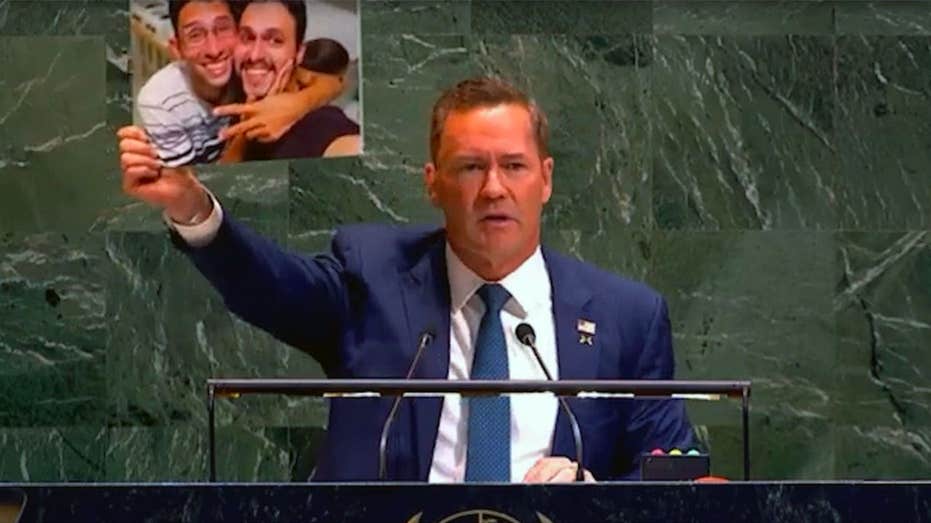
The meeting took place just days before the anniversary of the 2021 demonstrations, where thousands of Cubans took to the streets to demand greater freedom and an end to shortages. During the meeting, a member of the Cuban delegation interrupted the US representative, prompting a response that highlighted the differences between the two countries. The US representative also displayed photographs and read the names of jailed Cuban artists, musicians, and activists, who were detained for peaceful expression.
The US representative also highlighted the economic control exerted by the Cuban military-run conglomerate, which is estimated to control approximately half of the country's economy. Despite Cuba's claims of a US blockade, humanitarian assistance has recently arrived from several countries, including China, Russia, and Spain, as well as from the European Union and the United Nations. The US has also provided significant aid to Cuba, with over $100 million in assistance this year alone.
Before the debate, a US representative objected to reopening the agenda item, arguing that the meeting would cost approximately $84,000, which could be better spent on providing food, medical supplies, and solar lanterns to Cuban families. The representative accused the Cuban government of seeking "another propaganda clip" rather than solutions to the country's problems, and highlighted the estimated 700-1,200 political prisoners held by the government.
The Cuban government denies holding anyone for political reasons, but the US representative argued that the real embargo is the one imposed by the Cuban regime on its own people, restricting their speech, faith, enterprise, dissent, and hope. The electricity crisis in Cuba has been driven by severe fuel shortages and an aging power system, with the Cuban government blaming US restrictions and the US attributing the crisis to communist economic policies, corruption, and repression.