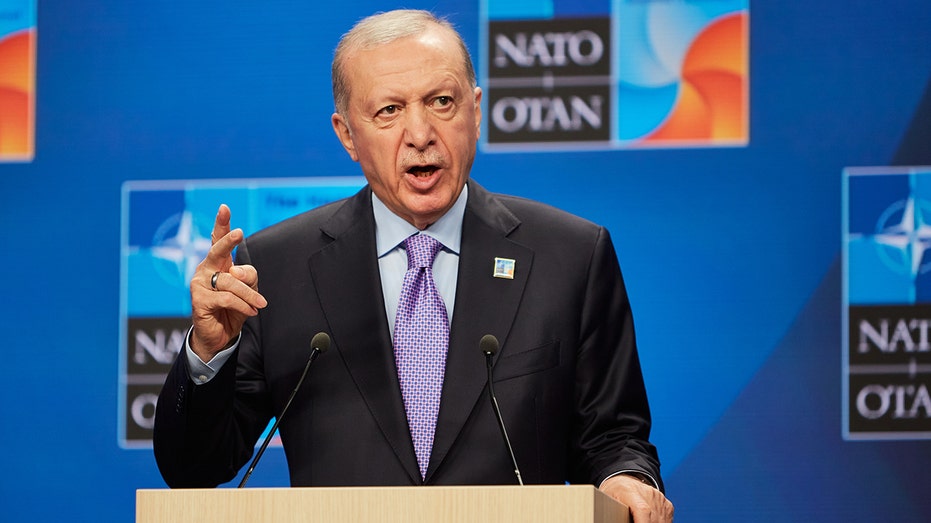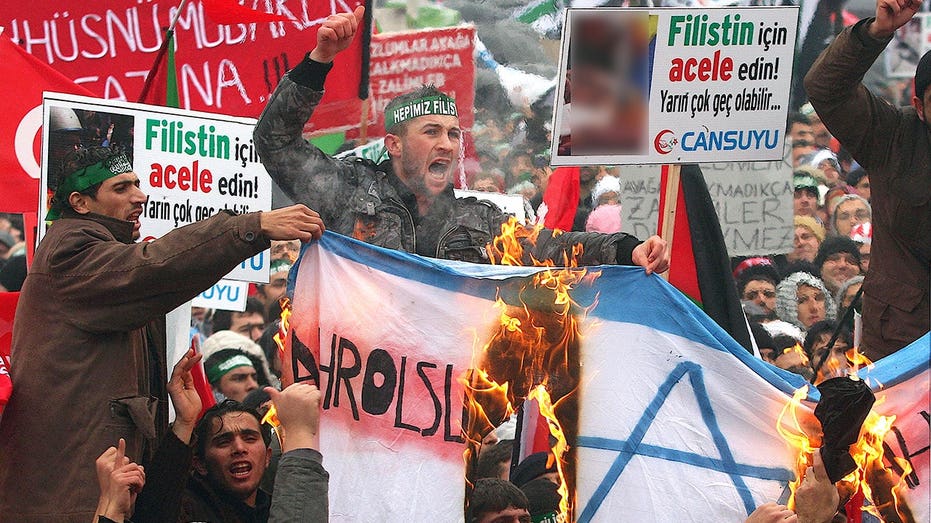
The NATO summit in Ankara is dominated by discussions of Iran, the war in Ukraine, and rising defense spending, yet a surge of antisemitic rhetoric from Turkish officials has received limited attention.
In a July 2 interview, Turkish Foreign Minister Hakan Fidan declared that Israel has become “a burden that humanity can no longer bear” and described the state as embodying “humanity’s common problems,” urging other nations to pressure the Jewish state.
Israeli Foreign Minister Gideon Sa’ar responded by labeling Fidan’s comments a “clear call for genocide,” warning that dehumanization is the first step toward such atrocities and drawing parallels to language used a century ago.
A senior fellow at a defense policy institute characterized the minister’s statements as among the vilest rhetoric since the Holocaust, noting that anti‑Israeli sentiment in Turkey intensified after 2008 and accelerated following the October 7 events.
President Recep Tayyip Erdogan has publicly condemned antisemitism as a crime against humanity, yet his administration and other senior officials continue to employ hostile language toward Israel.
Turkey’s interior minister recently predicted the world would witness the “liberation of Jerusalem,” while Erdogan has previously described Israelis as “murderers” and accused the state of feeding on “the blood, lives and tears of the innocent.”
A recent public opinion survey found that 91 percent of respondents in Turkey hold very unfavorable views of Israel, the highest level of anti‑Israeli sentiment among surveyed nations.
The United States acknowledges Turkey as a longstanding NATO ally and maintains diplomatic engagement across multiple issues, while officials note that there are mechanisms to address inflammatory statements, including formal diplomatic reprimands.
Analysts caution that Turkey may attempt to portray itself as a premier NATO partner at the summit, potentially obscuring its human‑rights record, and stress the need for consistent accountability among alliance members.
The Turkish embassy in Washington declined to comment on these matters.