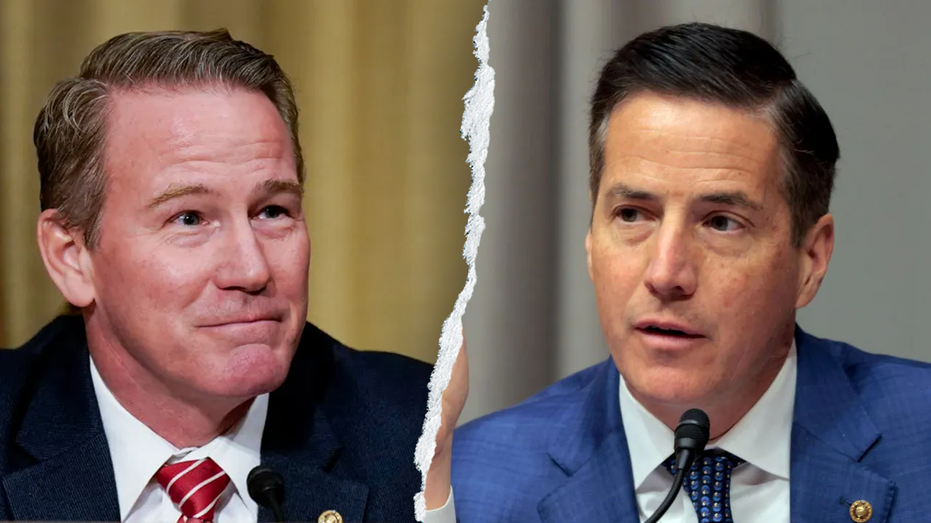
The Biden administration's decision to pause tariffs on solar panels in 2022 has been deemed unlawful, and Ohio's two Republican senators are now demanding that the Department of Homeland Security take action to recoup billions of dollars in unpaid duties.
The senators, Jon Husted and Bernie Moreno, argue that Chinese solar companies exploited the tariff pause to flood the U.S. market with artificially cheap solar products, ultimately depriving the U.S. Treasury of billions of dollars in revenue.
The total unpaid duties, according to Husted, amount to $67 billion, with the vast majority owed by Chinese state-backed companies that utilized third-country routes to circumvent existing anti-dumping duty orders.
The senators have sent a letter to the Department of Homeland Security, requesting that the agency send the bill to China and issue retroactive bills of duty plus interest to the companies that benefited from the tariff pause.
The Biden administration initiated the tariff pause in 2022, citing concerns that an ongoing federal investigation into Chinese solar products could freeze the solar supply chain and worsen electricity-reliability risks.
However, Husted and Moreno claim that Customs and Border Protection, which operates under DHS, conducted an internal review that found that "not a single entry admitted under the moratorium legitimately qualified for relief."
The senators' letter argues that CBP has "statutory authority" to enforce the law and hold these companies accountable for the unpaid duties.
Husted emphasized that the Department of Homeland Security has identified the tariff pause as an "illegal move" to avoid paying tariffs owed by Chinese state-backed companies.
The Department of Homeland Security has declined to comment on whether it will follow through with the senators' recommendations, but a spokesperson expressed appreciation for the senators' efforts to shed light on the issue.
The senators are requesting that CBP publicly release its internal review and issue retroactive bills to the companies that benefited from the tariff pause.
The issue is a matter of fairness, rule of law, and the credibility of U.S. trade enforcement, according to the senators' letter.