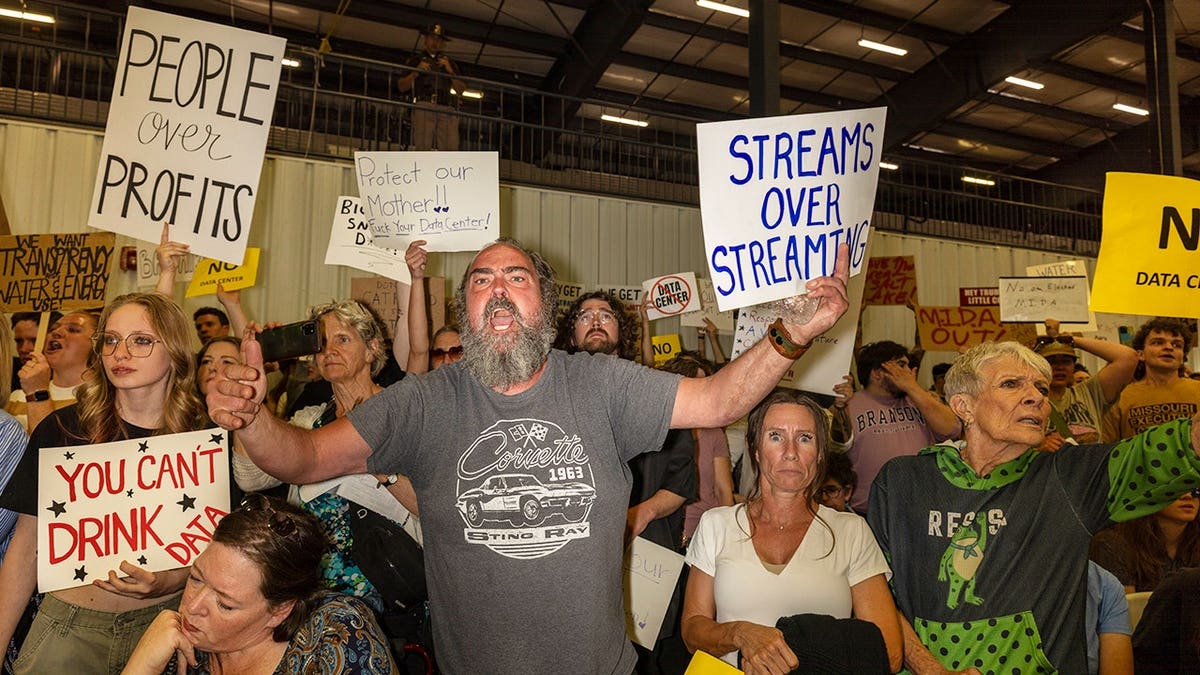
Nationwide polling reveals a sharp divide among voters regarding the expansion of artificial intelligence data centers. The majority, 70 percent, oppose the construction of such facilities in their local communities, while only 30 percent favor the move.
Support for data centers is strongest among MAGA supporters, who show a 46 percent approval rate, and Republican men, who back the initiative at 45 percent. In contrast, white women with college degrees and liberal voters exhibit the highest levels of opposition, at 84 percent and 80 percent respectively.
Economic incentives dominate the arguments of those in favor. Sixty percent cite jobs, growth, community investment, and tax revenue, while 21 percent emphasize technological benefits. A small minority, just two percent, list the desire to stay ahead of global competitors as their primary motivation.
Environmental concerns lead the opposition. Half of respondents cite energy use, water consumption, pollution, and noise as the main reasons to resist. Fewer voters point to quality‑of‑life issues, economic effects, or a negative view of AI, each accounting for around 11 percent.
Overall sentiment toward artificial intelligence itself is mixed. Forty‑five percent view AI favorably compared to fifty‑four percent who see it unfavorably, a shift of nine points from earlier in the year. Favorable views are higher among MAGA Republicans, voters with graduate degrees, conservatives, and men, while Democrats, non‑college voters, liberals, and women are more skeptical.
When it comes to construction pace, nearly eight out of ten voters prefer a slower rollout to address environmental and community concerns. Only one in five supports rapid development to maintain an international competitive edge, a stance most common among MAGA Republicans and very conservatives.
Younger voters, under the age of 30, hold the least favorable view of AI, with only thirty‑eight percent expressing positive opinions. Across all age groups, about seven in ten oppose building data centers, and roughly eight in ten favor a cautious approach.
The survey sampled 1,003 registered voters between July 17 and 20, 2026. Respondents were reached through landline and cellphone interviews or online completion after a text prompt. The overall margin of error is ±3 percentage points, with a larger margin for subgroups such as the 350 respondents aged 18 to 29.
These findings underscore growing voter concerns about local environmental impacts and community effects, even as national ambitions for AI infrastructure continue to rise.