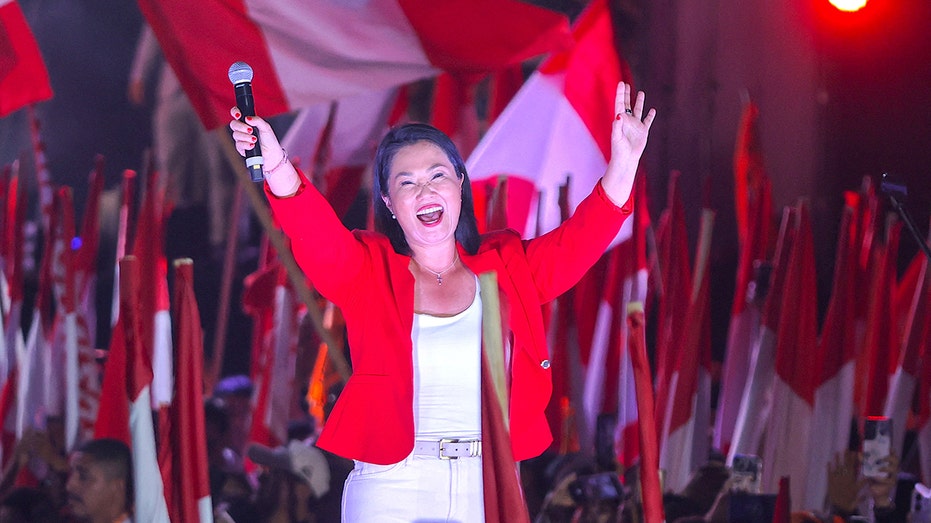
Keiko Fujimori has been elected as Peru's president-elect, securing 50.1% of the vote and winning by a narrow margin of fewer than 50,000 votes out of approximately 18 million ballots cast.
Her victory over leftist challenger Roberto Sánchez marks her fourth presidential bid and makes her Peru's first female president-elect. This achievement is significant, as it comes after a deeply divisive election cycle in a country that has experienced considerable political instability.
Fujimori's presidency is notable for being the daughter of former Peruvian President Alberto Fujimori, who ruled the country during the 1990s. Her election marks a return of her family's political influence to Peru's highest office.
The country has had nine presidents in the past decade, and Peruvians voted in favor of Fujimori amid a surge in violent crime, extortion, and years of political instability. Fujimori campaigned on an "iron fist" approach to security and a pledge to protect Peru's free-market economy.
In contrast, her opponent focused on addressing rural economic grievances. The election outcome reflects the complexities of Peruvian politics and the public's desire for a strong approach to security and economic stability.