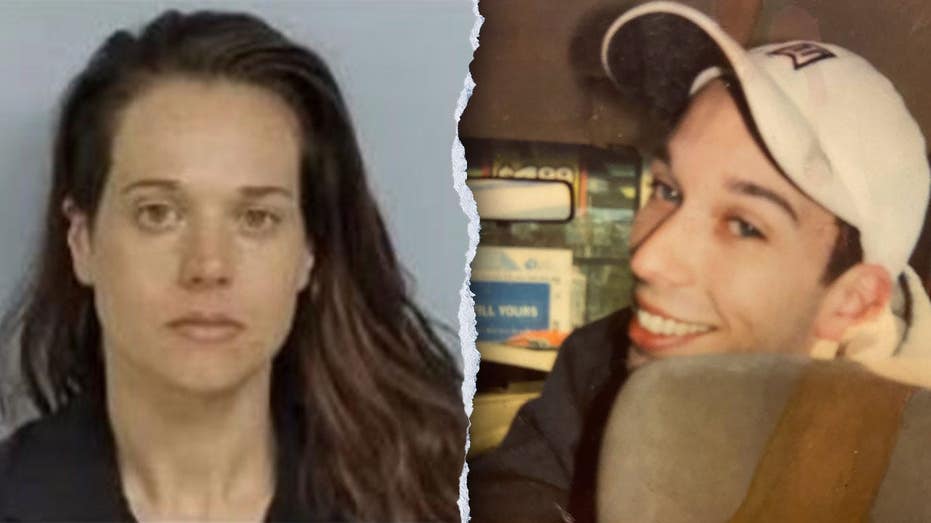
A 35-year‑old mother and psychotherapist was discovered fatally stabbed inside her home in Chester, New Jersey, on June 6. Her husband placed a 911 call that captured his frantic reaction and graphic details of the scene.
The nearly seven‑minute call conveys a distressed tone as the husband describes finding his wife covered in blood and references a “laceration” among the injuries. Audio analysts have examined the call repeatedly, seeking clues within the caller’s word choice and emotional state.
No arrests have been made, and the investigation remains under the direction of the Morris County Prosecutor’s Office. Authorities have announced a $1,000 reward for information leading to the apprehension of the perpetrator.
A forensic linguist and university professor cautions against drawing conclusions from a single emergency call. He notes that interpreting tone, pacing, or vocabulary can be unreliable and may mislead investigators.
The warning references prior cases where public speculation based on 911 recordings contributed to wrongful accusations. In one instance, a father was publicly vilified for years before another individual was convicted of his daughter’s murder, and another case saw a teenager spend nearly two decades in prison before his conviction was overturned.
These examples illustrate the absence of definitive linguistic markers that can identify guilt. The expert emphasizes the need for comprehensive evidence rather than reliance on a solitary audio clip.
The murder investigation continues, with law enforcement urging anyone with relevant information to come forward.