The State Department has condemned Iran's intensified repression of Christians, including a Catholic woman on hunger strike in a prison known as one of the most brutal in the theocratic state.
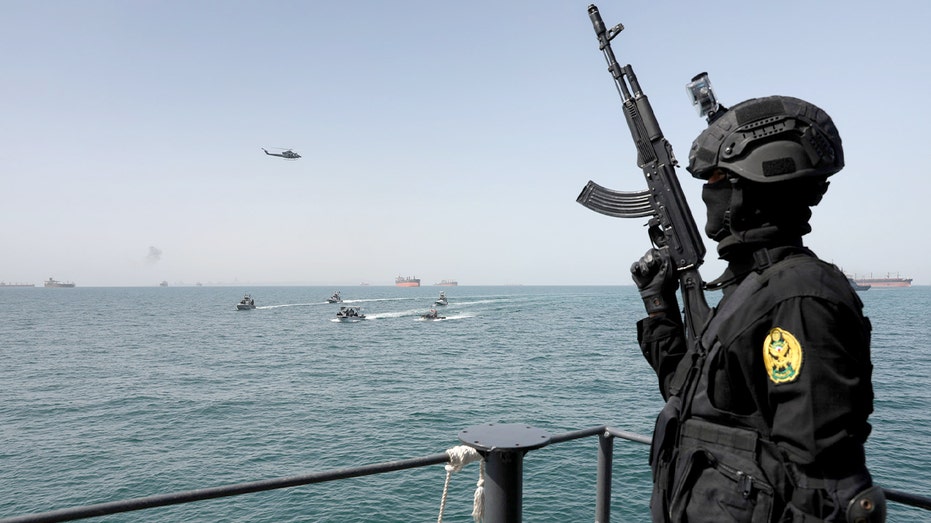
The Trump administration's statement on widespread human rights violations carried out by the Iranian regime coincides with new military strikes against it in response to Tehran's attacks on commercial tankers in the Strait of Hormuz.
A 42-year-old Catholic woman, Ghazal Marzban, is currently on hunger strike in Iran's infamous Evin prison in Tehran. She was sentenced to nearly 10 years in prison for practicing her Christian faith.
Marzban's physical health had deteriorated as of late May, but her current condition is unclear. The regime's persecution of religious minorities, including Iranian Christians, has been a persistent issue.
The State Department spokesperson stated that it is "reprehensible that the Iranian regime continues to persecute religious minorities, including Iranian Christians." The regime targets members of religious and ethnic minority groups, using tactics like arbitrary arrest and torture to intimidate opponents and silence dissent.
Human rights activists have reported a significant increase in the number of arrests of Christians, with at least 11 people receiving over a decade in prison. The regime has also planned to seize the St. Peter Church in Tehran, which is a large Christian compound with schools and family homes.
Experts warn that the targeted confiscation of church property and the eviction of families from the compound sends a clear message of intimidation to the wider Christian community. The Iranian authorities continue to treat the peaceful Christian faith as a security concern rather than a basic right to freedom of religion or belief.
Article 18, an organization that promotes religious freedom in Iran, has documented numerous cases of arbitrary arrest, harassment of church leaders, and visa denials for clergy. The regime's totalitarian nature has consistently sought to suppress any institution or community that operates outside its ideological control.
The consequences of the intensified persecution of Iranian Christians are likely to extend beyond the region. Experts urge that perpetrators face targeted sanctions, visa restrictions, and asset freezes under existing human rights mechanisms.
The international community should make religious freedom a consistent part of their engagement with Iran, rather than treating it as a secondary issue. Appeasing a regime that persecutes its own people has rarely produced moderation.
The State Department has reaffirmed its solidarity with the people of Iran and called for the immediate and unconditional release of all political and wrongfully detained prisoners, including those facing persecution for peacefully exercising their fundamental freedoms.