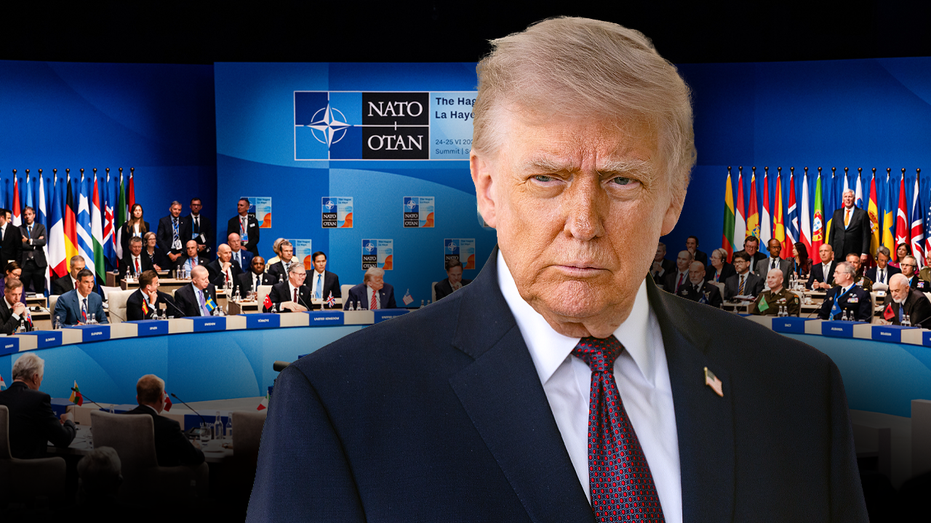
The tensions between the United States and several European NATO allies are expected to come to a head at the upcoming NATO summit in Ankara, Turkey. President Donald Trump is set to arrive at the summit with fresh frustration toward several European nations for their responses to the U.S.-led operations against Iran.
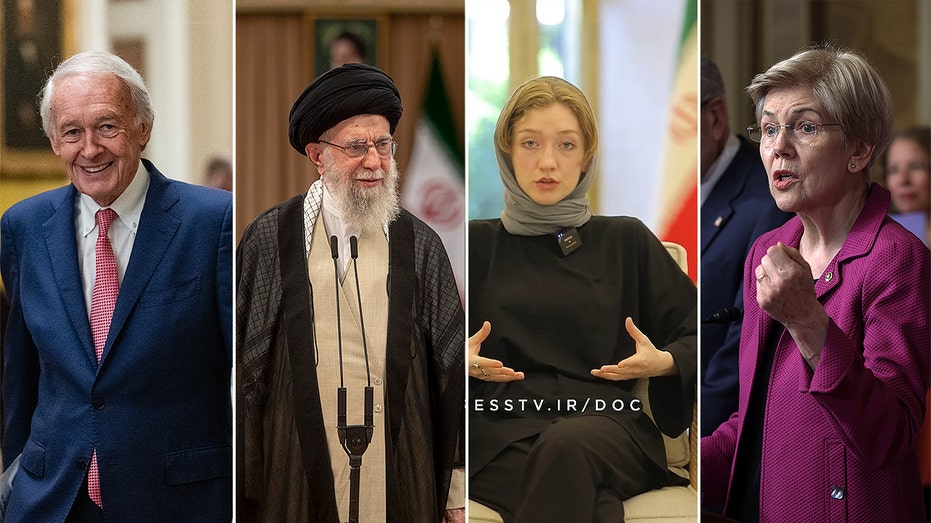
The summit, which takes place Tuesday and Wednesday, is expected to focus on defense spending, Ukraine, and NATO's long-term strategy toward Russia. However, it will bring Trump face to face with some of his biggest foes in NATO, including Spain, whose Prime Minister has called the U.S. war in Iran "illegal, absurd, and cruel."
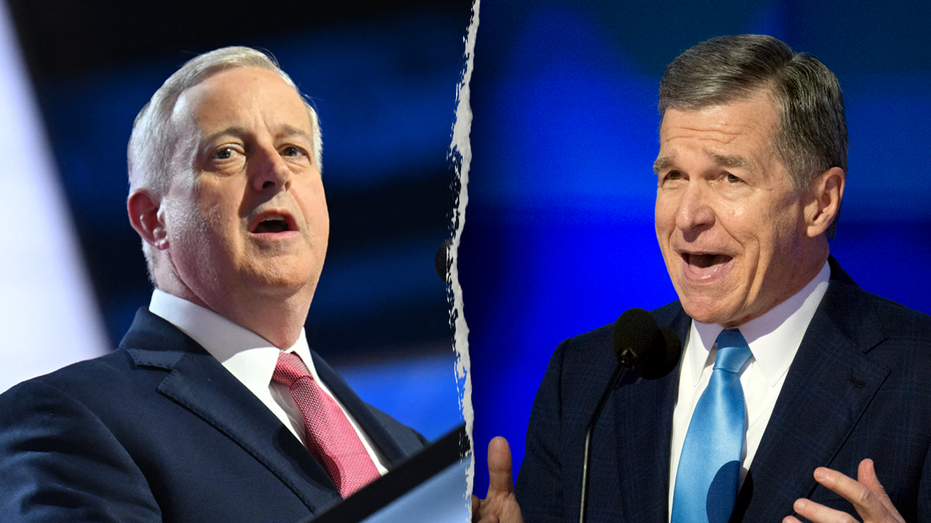
U.S. Ambassador to NATO Matthew Whitaker stated that Trump remains "disappointed" by allies that declined to allow U.S. forces to use military bases or overflight rights during the operation. He also expressed disappointment in the political statements criticizing the strikes, saying "The president has expressed disappointment in both a couple of our allies' unwillingness to support us using our bases in their countries."
The disagreements are expected to loom over a summit where Trump will once again press allies to increase defense spending, while also raising broader questions about whether NATO members are prepared to back the United States during conflicts beyond the alliance's traditional focus on Europe.
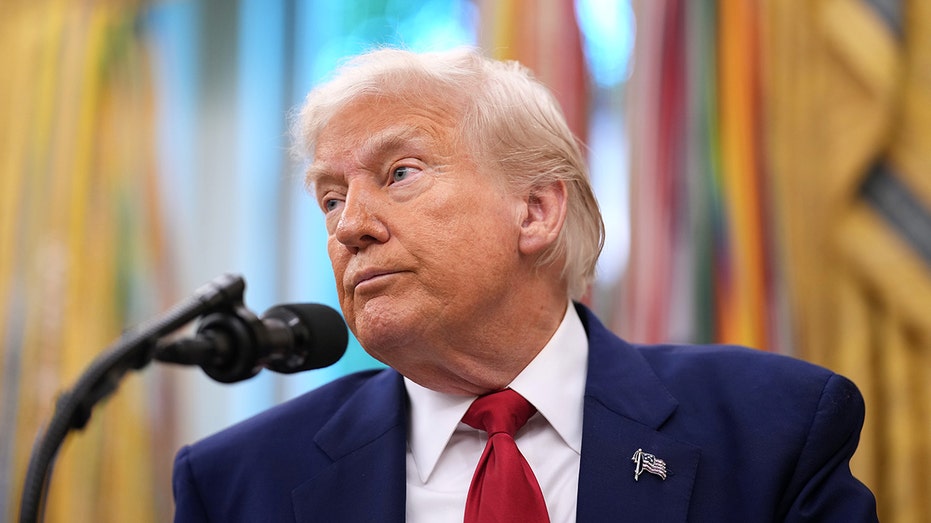
Trump's frustration has been evident publicly as well. Ahead of the summit, he said he was attending largely because of his relationship with Turkish President Recep Tayyip Erdoğan, while again criticizing some NATO allies over defense spending and questioning their commitment to the alliance.
The administration's frustration stems from a series of decisions by European allies during Operation Epic Fury. The United Kingdom initially declined to allow U.S. forces to launch strikes against Iran from British bases before later reversing course. Spain denied the use of its territory and airspace for combat operations while Sánchez publicly criticized the U.S.-led campaign.
European governments defended their positions by citing domestic legal constraints and concerns about being drawn into a wider Middle East conflict. Britain later allowed U.S. strikes after initially withholding approval, while Spain continued opposing the campaign, Italy restricted its support to non-combat operations, and Germany limited its role to logistics.
The tensions over Iran build on years of Trump's criticism of NATO, which he has repeatedly accused of relying too heavily on the U.S. During both his first and second terms, Trump has questioned whether Washington should continue defending allies that fail to meet spending commitments and has at times floated withdrawing from the alliance altogether.
Trump is expected to use the summit to press allies to meet NATO's new benchmark of spending 5% of GDP on defense. The administration is considering countermeasures for allies that don't meet defense spending goals, and countries contributing more could receive advantages ranging from priority in defense procurement to greater engagement with U.S. leaders.
Analysts say the fallout from Operation Epic Fury is likely to shape private conversations between Trump and several European leaders. The recent conflict has created "two scorecards on the table" for the summit – NATO's traditional priorities of strengthening deterrence against Russia and Trump's assessment of which allies proved most supportive of the United States during the Iran conflict.