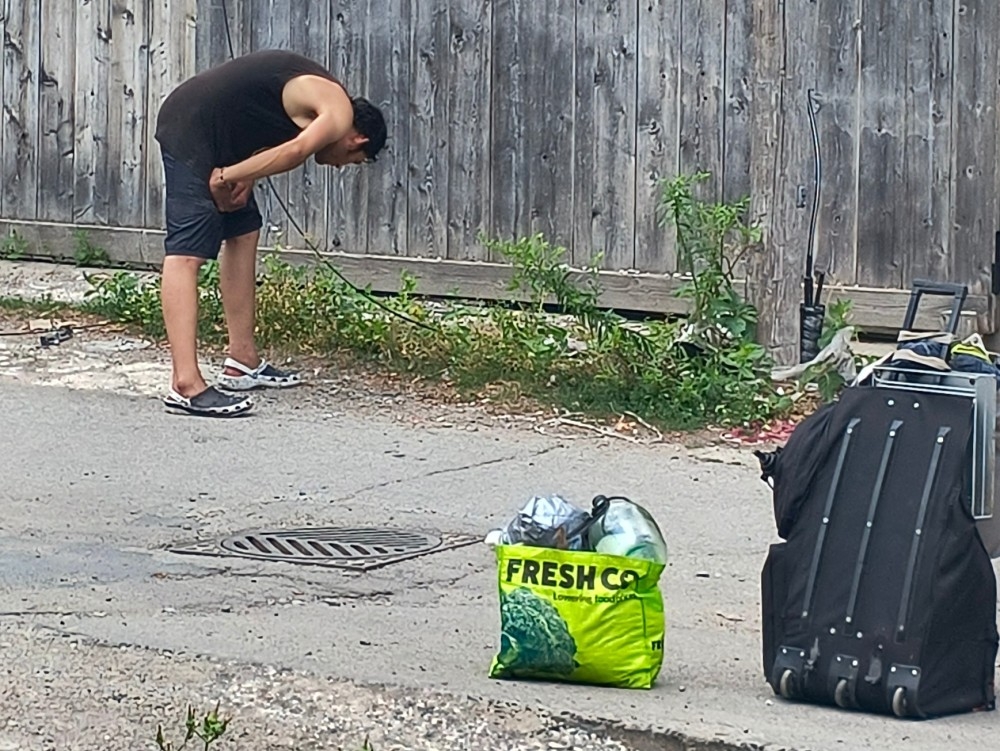
Public drug use has become a visible and growing problem in downtown Toronto, with open consumption of fentanyl, methamphetamine and crack reported near Union Station and surrounding streets.
Witnesses describe scenes where individuals light pipes and smoke in broad daylight, exposing passing pedestrians, including families, to hazardous substances and the associated health risks.
A man who identified himself as Chris explained that his primary drug of choice is methamphetamine and recounted a personal history of divorce, estrangement from his children, injuries sustained in construction work, and a sense of hopelessness that has kept him on the streets for a decade.
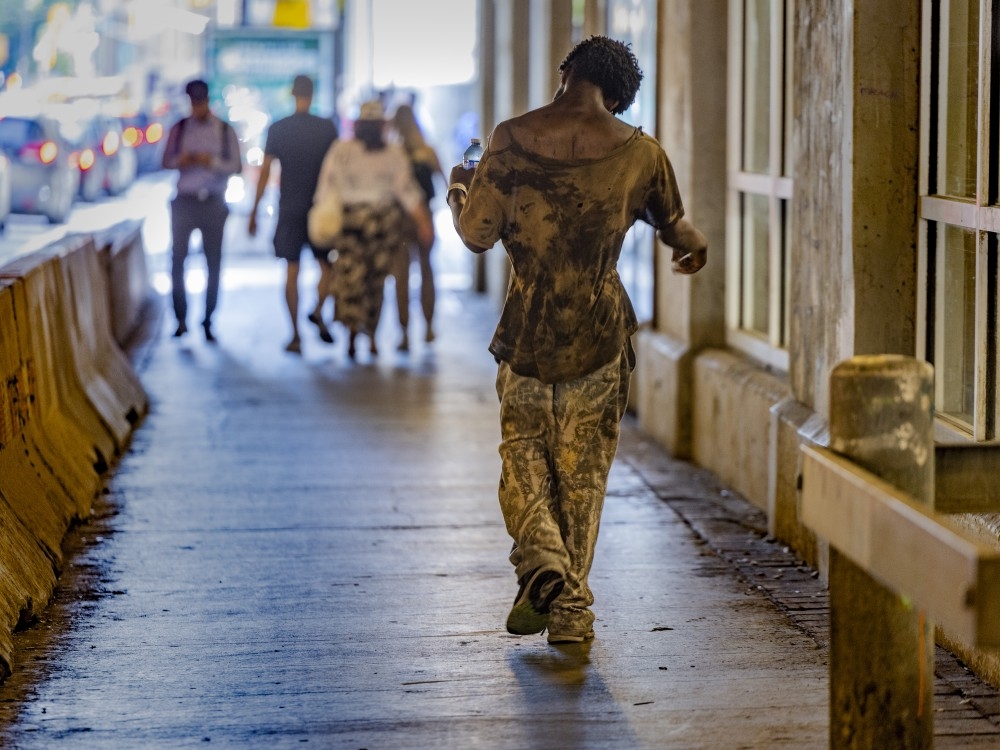
Chris also expressed a preference for remaining outdoors rather than entering a shelter, citing the conditions within shelters as a deterrent despite his prolonged homelessness.
Similar patterns of drug activity have been observed across multiple neighborhoods, from the central business district to residential areas in the east, west, south and north, with discarded syringes and other paraphernalia littering public spaces and private backyards.
Residents have voiced concerns to municipal authorities, reporting that they feel unsafe walking at night and that the presence of drug users and dealers has eroded the sense of security in their communities.
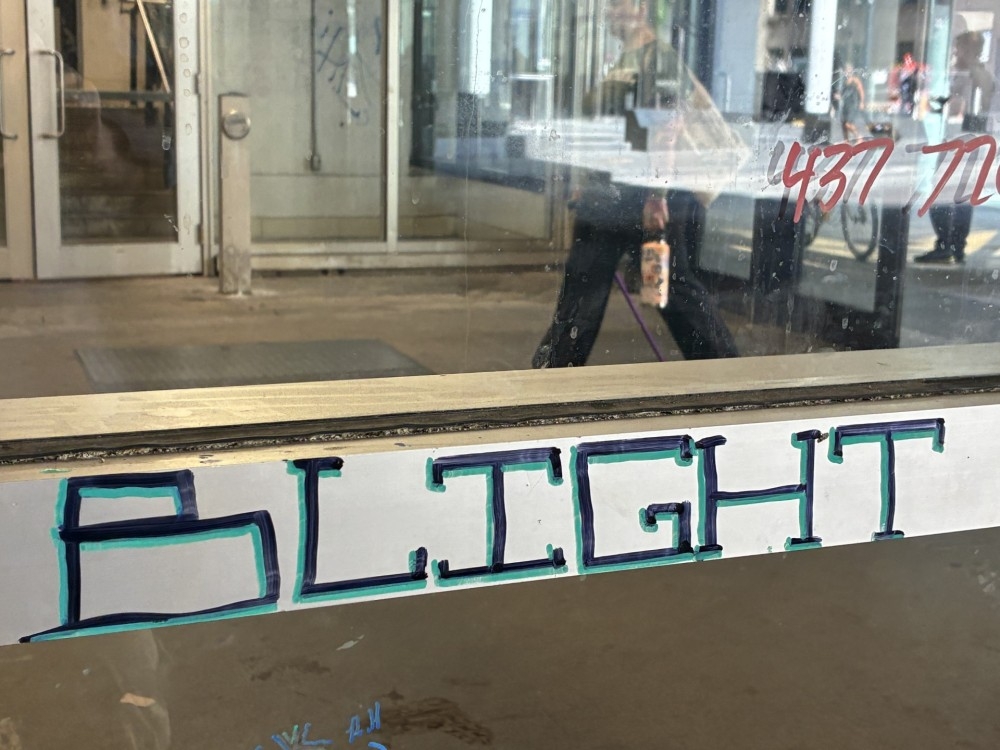
Police response has been intermittent; officers have occasionally cleared crowds near transit hubs, but limited personnel and resources hinder sustained enforcement and the ability to issue citations or make arrests at the scale required.
City officials have acknowledged the need for a balanced approach that combines compassion for individuals struggling with addiction and decisive action to restore public safety and cleanliness.
The escalating situation underscores the urgency for coordinated efforts among municipal leaders, law‑enforcement agencies and health services to address the underlying causes of addiction while protecting the wellbeing of all Toronto residents.