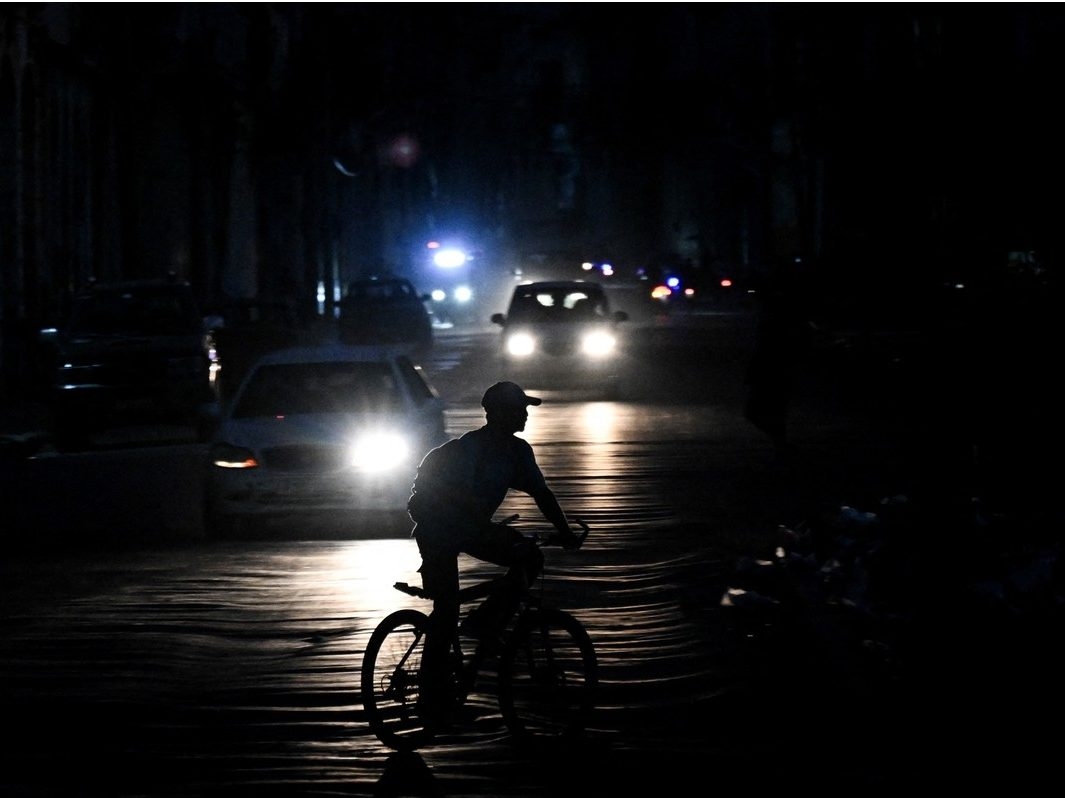
Cuba is working to restore power after its sixth nationwide blackout of the year, which occurred over the weekend. The power outage affected the island's capital, Havana, late Sunday, prompting residents to head outdoors for relief from the summer heat. By midday Monday, approximately 50% of power had been restored in Havana and seven provinces in central and western Cuba. However, restoration efforts were hindered by a storm that hit the island nation.
The storm caused disruptions to the grid, directly affecting generator units that were online, according to the state energy utility. As a result, the utility is working intensively to restore the situation and achieve a system reset as soon as possible. The ongoing power crisis has been exacerbated by the United States blocking oil from reaching Cuba, which is used to power the island's aging energy infrastructure.
The energy crisis has worsened in recent months, with Cuba suffering two power outages in March and three in July. Rolling blackouts throughout the summer have forced Cubans to adapt to frequent power outages, cooking, washing, and using the internet in the middle of the night with uncertainty about how long the power will last. The frequent blackouts have been challenging for residents, who are struggling to cope with the lack of reliable electricity.
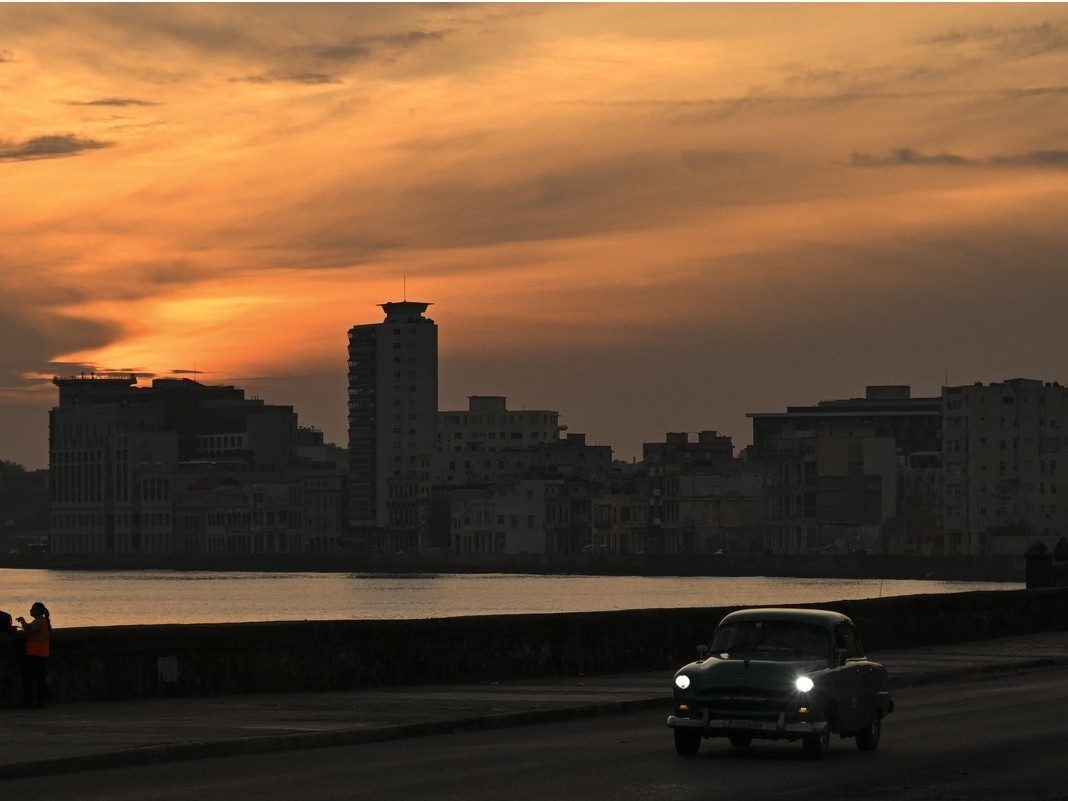
Cuba has blamed decades of American sanctions and trade restrictions for limiting access to fuel, financing, and spare parts needed to maintain its electric systems. The country's thermal generating fleet has suffered from constant breakdowns due to a lack of fuel and maintenance problems, making it susceptible to disruptions and complicating power restoration efforts. The ongoing power crisis has significant implications for the daily lives of Cubans and the country's overall economic stability.
The United States has attributed the power outages to the failures of Cuba's state-run economic model. However, Cuba maintains that the sanctions and trade restrictions are the primary cause of the energy crisis. The dispute highlights the complex and contentious relationship between the two countries, with significant implications for the people of Cuba and the region as a whole. The situation is being closely watched, with many calling for a resolution to the ongoing crisis.