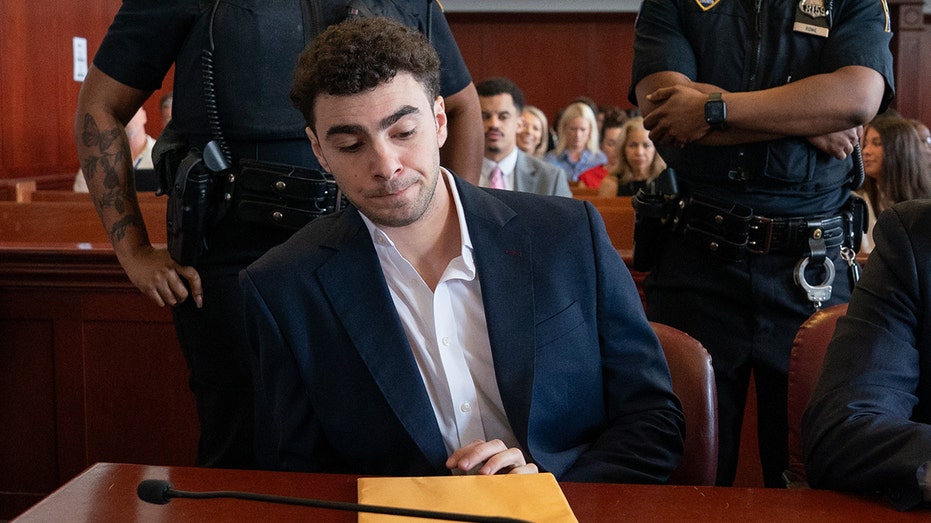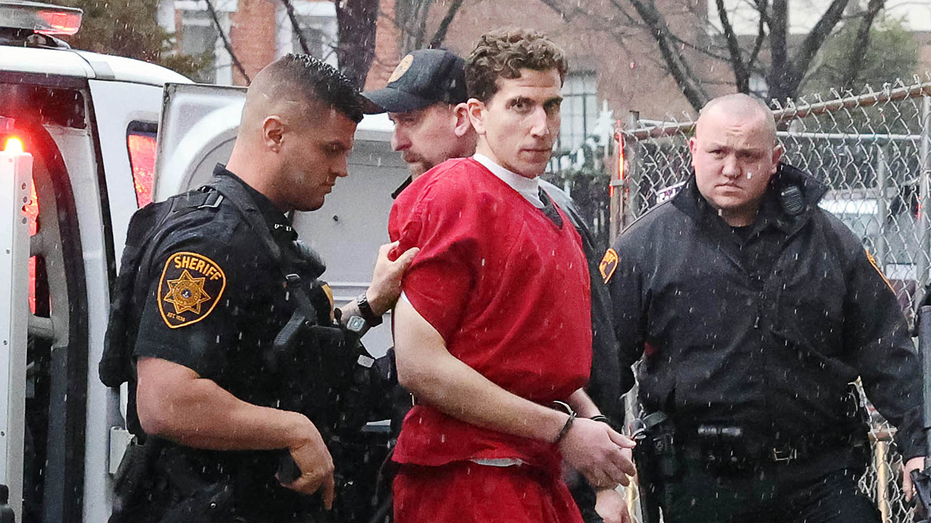
Bryan Kohberger, convicted of murdering four University of Idaho students, has been assigned a new attorney in his bid for post-conviction relief. Kohberger, 30, is now represented by attorney Greg Rauch, based in Moscow, Idaho.
Rauch stated that he hasn't reviewed the petition, case file, or spoken to Kohberger yet, as he was appointed just Monday morning. He plans to speak with Kohberger over the phone in the near future and then visit him in prison for a face-to-face discussion.
Kohberger is being held in the J-Block unit of the Idaho Maximum Security Institution in Kuna, about 300 miles south of where the crimes took place in Moscow, near the University of Idaho campus. Kohberger pleaded guilty in July 2025 to four counts of first-degree murder and a charge of burglary.
Judge Steven Hippler sentenced Kohberger to four consecutive terms of life without the possibility of parole, plus another 10 years. However, the plea deal required Kohberger to waive his right to appeal, but it doesn't block him from seeking post-conviction relief, which could potentially reopen the case if successful.
Successful withdrawal of his guilty plea could result in a trial, where Kohberger would face the potential death penalty. In his handwritten petition, Kohberger claimed that he was "convinced to falsely confess" by his high-profile defense team, citing lack of information about "exculpatory discovery" – hair found at the scene that wasn't tested for DNA.
Idaho Attorney General Raúl Labrador stated that his office is "ready to do whatever is necessary to ensure justice is fully carried out." Police found Kohberger's DNA on a knife sheath in a bed with two of the four victims, and they tracked his vehicle coming and going, with forensic investigators prepared to testify about his alleged actions during the murders.
A former expert witness for Kohberger's defense team has also alleged that there is additional damaging evidence that investigators hadn't introduced before Kohberger's guilty plea. This evidence, known as the location database of record or LOCDBOR report, contains "pattern of life" location data that allegedly shows Kohberger stalked the victims and may have been inside their home before the murders.