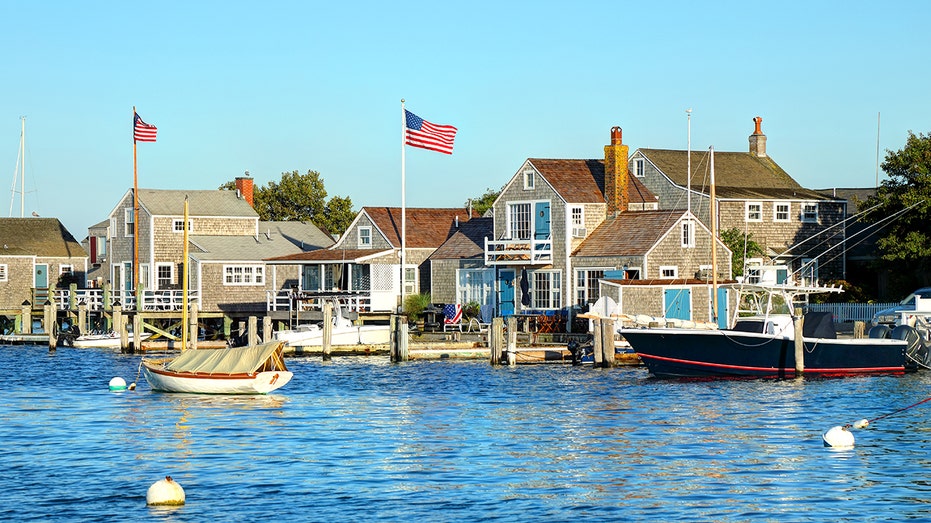
A small island off Massachusetts has become the center of a growing debate over tourism, as visitors flood its historic streets and beaches during the summer months.
The island, known for its weathered cottages, vibrant hydrangea gardens, and pristine shoreline, has traditionally maintained a modest visitor flow thanks to its limited access—travelers must arrive by ferry or airplane.
That barrier has begun to erode, with annual visitor numbers now approaching two million. The surge has brought increased crowds, noise, and a sense of overcrowding among longtime residents and business owners.
One local antiques shop recently displayed a “No Influencers” sign, sparking controversy. The owner explained the gesture as a lighthearted comment on the growing presence of social‑media creators using the island’s scenery as a backdrop.
Other nearby shopkeepers have expressed frustration with the constant filming, describing it as a distraction from the everyday life of the community.
In response, a boutique owner defended the island’s openness, urging visitors to support local artisans while recognizing the broader appeal of the island’s charm.
Community leaders have proposed measures to manage the influx, including designated visiting hours for popular footpaths and the appointment of on‑site rangers to monitor activity during peak season.
A discussion on a public forum drew hundreds of comments, with some residents expressing that the island’s character has changed due to the large number of visitors, while others noted that the increased spending can benefit local businesses.
Long‑time summer residents describe the island as both more crowded and more affluent, citing a shift in the type of visitors that now frequent the area.
The situation highlights the tension between preserving a small community’s heritage and accommodating the economic benefits of tourism.