Researchers have documented a rare transmissible cancer affecting brown bullhead catfish in a lake that spans the Canada‑U.S. border.
Histopathological analysis identified raised black lesions as malignant melanomas, observed in 23 % to 37 % of fish sampled between 2014 and 2017.
Incidence rates in this lake far exceed those recorded in other water bodies, where similar tumors appear at considerably lower frequencies.
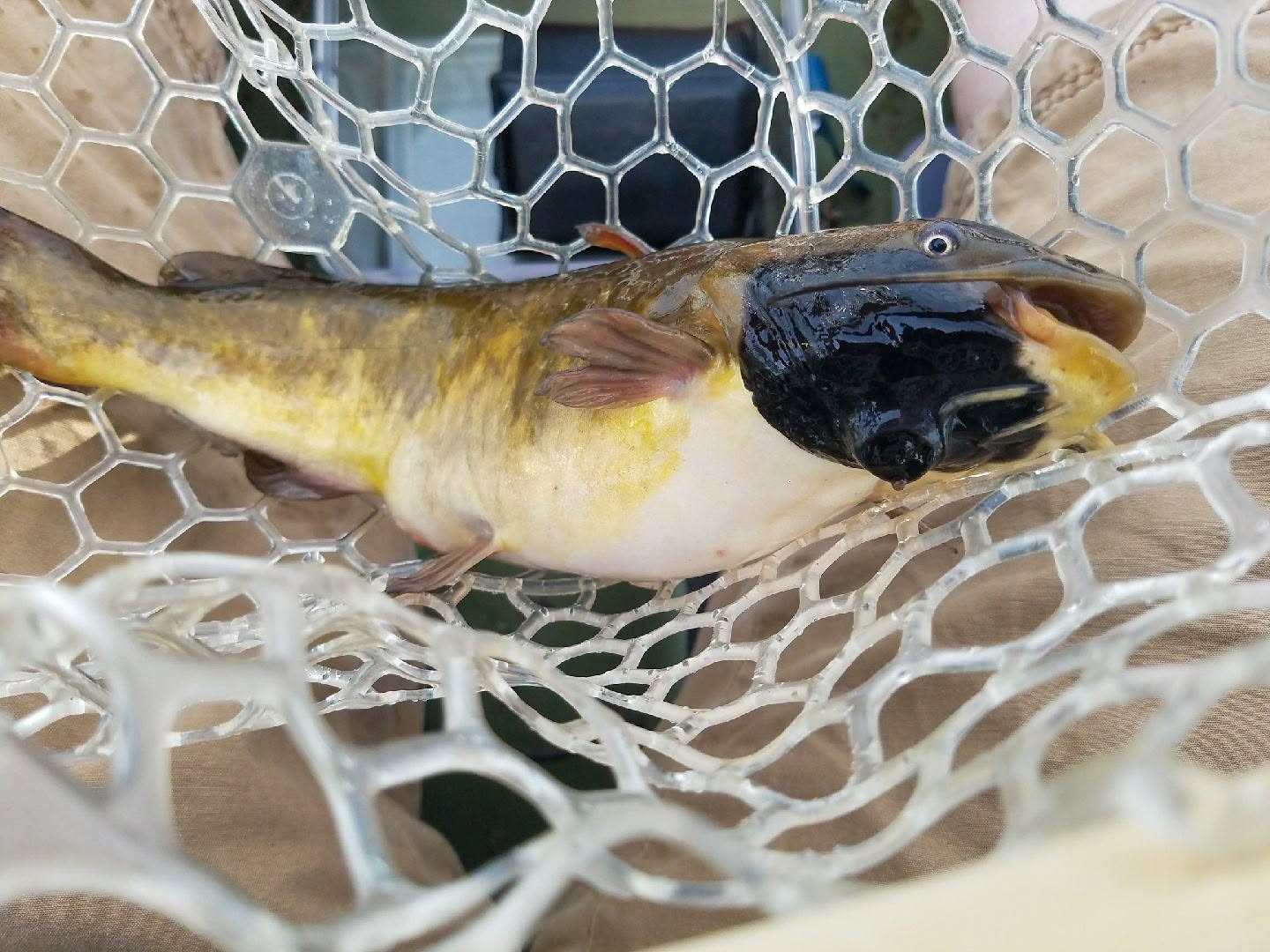
The infected fish present no health hazard to humans and can be safely handled for scientific study.
Bullheads are recognized indicator species for water quality, leading researchers to suspect that local contaminants may be driving the elevated cancer rate.
One hypothesis links the surge to extensive flooding in 2011, which likely introduced runoff pollutants that degraded lake conditions.
The lake supplies drinking water to more than 175 000 residents, heightening the importance of ongoing water‑quality monitoring.
Transmissible cancers are exceptionally rare in nature, previously documented only in dogs, Tasmanian devils and certain aquatic mollusks.
Water examinations have not detected viruses or other microorganisms capable of inducing the disease, suggesting the tumor cells themselves act as the infectious entity.
Although the role of conventional pathogens cannot be entirely ruled out, genomic evidence overwhelmingly supports a cancer that spreads through direct cell transmission.