A remarkable operation in Gaza has quietly concluded, leaving behind a legacy of successfully delivered aid and a challenge to traditional humanitarian practices. For four and a half months, the U.S.-backed Gaza Humanitarian Foundation (GHF) focused on a singular, audacious goal: to feed civilians in desperate need without allowing aid to fall into the hands of Hamas.
The mission began on May 26th, born from a growing frustration with the systemic failures plaguing aid delivery to the Gaza Strip. Reports of widespread looting and diversion had become commonplace, leaving vulnerable populations without the sustenance they desperately required. GHF sought to prove a different path was possible, one built on accountability and direct delivery to those most in need.
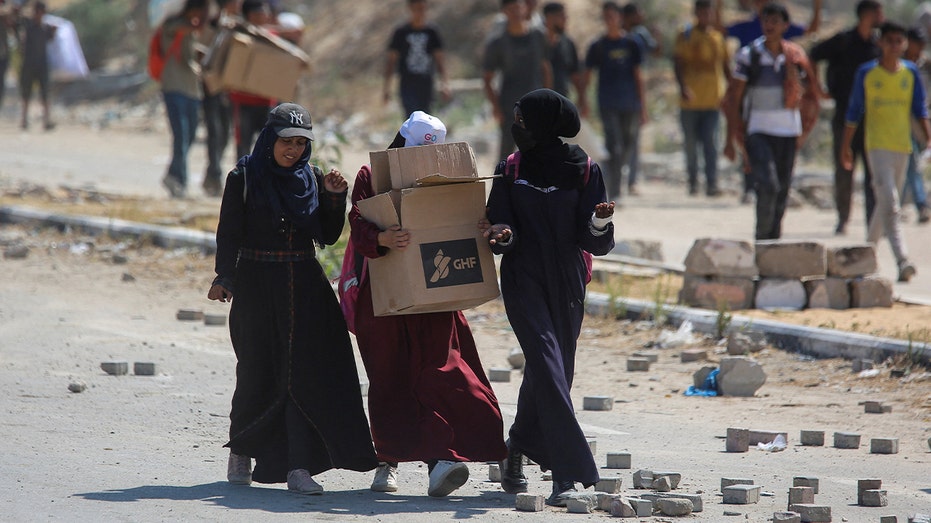
Over the course of its operation, GHF distributed over 187 million meals and more than 1.1 million packs of specialized food for malnourished children. This wasn’t simply about numbers; it was about restoring dignity and offering a lifeline in a conflict zone. The organization’s approach, utilizing a team including former U.S. service members and local Gazan workers, demonstrably worked where others had struggled.
The success, however, wasn’t without controversy. GHF faced relentless criticism and accusations, including claims of causing harm at distribution sites and weaponizing aid. These attacks often came from established U.N. aid organizations, reportedly frustrated by GHF’s effectiveness and its willingness to coordinate with the Israeli Defense Forces.
A whistleblower revealed that the IDF was actively assisting GHF in getting food to civilians, while some U.N. agencies, through a refusal to cooperate with the IDF, were hindering aid distribution. The United Nations dismissed these claims as unfounded, yet GHF maintained that it repeatedly offered assistance to U.N. agencies to secure and distribute their aid, consistently preventing looting.
GHF’s leaders attribute their success to a commitment to innovation and accountability, echoing a call for a new approach to humanitarian aid. They point to a model that prioritized direct delivery, transparency, and a refusal to accept the status quo. Throughout its entire operation, not a single GHF aid truck was looted, a testament to the effectiveness of their methods.
Now, with the creation of a Civil-Military Coordination Center and renewed engagement from the broader international community, GHF believes its initial mission is complete. They are winding down operations, confident that the model they pioneered – a model that proved aid could reach those who needed it most – will be adopted and expanded by others.
Beyond the logistical achievements, those involved with GHF speak of the human connections forged amidst the conflict. The organization’s director recalls the growing trust of the Gazan people, with aid sites eventually becoming gathering places for women and children, a poignant symbol of hope and restored dignity. It’s these relationships, they say, that will be most deeply missed.
The backdrop to this humanitarian effort remains the devastating October 7th attacks on Israel, which resulted in the tragic loss of over 1,200 lives and the abduction of hundreds more. The future of Gaza remains uncertain, but GHF’s brief but impactful intervention has demonstrated that a new approach to aid delivery is not only possible, but essential.
While GHF is stepping back for now, its leaders remain prepared to reactivate the mission should new humanitarian needs arise. The organization will remain registered, a testament to its commitment to providing compassionate aid and a reminder that American-led solutions, when focused on results, can make a profound difference.