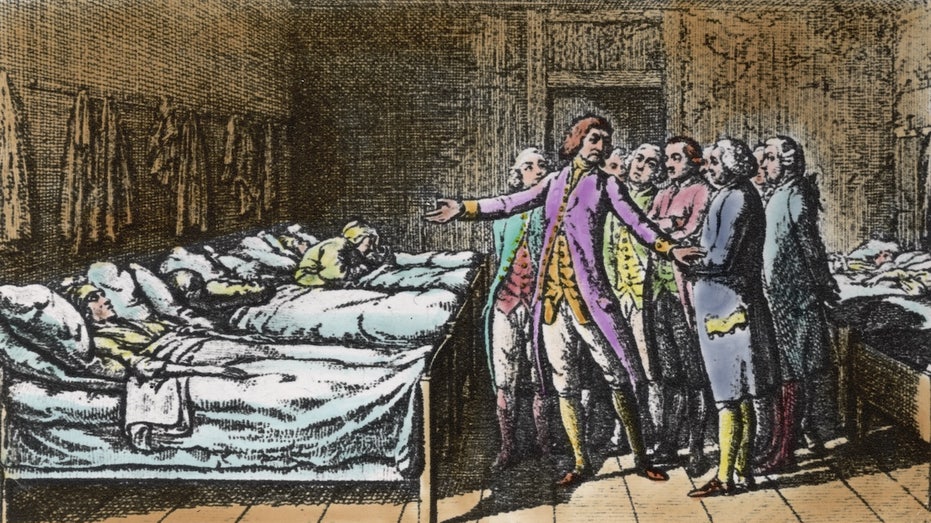
The landscape of leading causes of death in the United States has undergone a profound transformation since the country's founding 250 years ago. Data shows that diseases that once ravaged communities have largely given way to chronic conditions, reflecting centuries of breakthroughs in public health, prevention, and treatment.
A comparison of the life expectancy at the time of the country's founding to today's numbers is staggering. From a mere 30 years in 1776 to nearly 80 years today, the progress is undeniable. As Kenneth J. Perry, M.D., an emergency physician in Charleston, South Carolina, notes, "The amount of changes that have happened over the past 250 years are immeasurable when it comes to life expectancy and disease."
The leading causes of death in 1776 were largely infectious diseases, which had much higher fatality rates due to the lack of antibiotics, vaccines, sterile surgical techniques, and limited access to hospitals. The absence of safe drinking water, modern sewage systems, and refrigeration also contributed to the spread of foodborne and waterborne illnesses. Patients at the time did not have access to blood transfusions, anesthesia, and other lifesaving medical advances.
The introduction of vaccines dramatically reduced certain diseases, including smallpox, polio, diphtheria, measles, and whooping cough. In 1980, smallpox became the first human disease ever eradicated worldwide. Improvements in clean water and sanitation also contributed to greater longevity, as cities built sewage systems, water treatment plants, and indoor plumbing. As a result, deaths from cholera, dysentery, and typhoid fever fell dramatically.
Germ theory, which emerged in the late 1800s, revolutionized surgery, childbirth, handwashing, sterilization, and infection control. Routine screening has enabled earlier detection of breast, cervical, and colorectal cancers, while improvements in surgery, radiation therapy, chemotherapy, targeted therapies, and immunotherapy have helped many patients live longer. A recent analysis found that prevention and screening accounted for about 80% of the cancer deaths averted over the past 45 years for five major cancer types.
The widespread use of penicillin in the 1940s allowed for the treatment of diseases that were once fatal, including pneumonia, strep infections, wound infections, and sepsis. Advances in childbirth, including prenatal care, Cesarean sections, blood transfusions, antibiotics, and neonatal intensive care, also dramatically improved maternal and infant survival compared with colonial America.
The mid-20th century also ushered in improvements in heart disease treatments. The use of CPR, defibrillators, coronary care units, bypass surgery, stents, statins, and blood pressure medications helped to reduce cardiovascular deaths. In contrast to 1776, chronic diseases now account for most American deaths, as people generally live long enough to develop them.
According to Dr. Omer Awan, a physician and professor at the University of Maryland School of Medicine, the uptick in chronic diseases is driven not only by an increasingly aging population but also by lifestyle behaviors. "The chronic disease epidemic has been fueled by lack of exercise, as well as diets rich in fats, salts, and ultraprocessed foods," he notes. "This has also led to the rise of obesity, which contributes to many of the chronic medical conditions that are among the top killers for Americans in the modern era."
Dr. Awan emphasizes the potential for public health advances to change the course of health for millions of Americans. "Just as vaccines and antibiotics prolonged life centuries ago, so can lifestyle changes, exercise, and new therapies that target obesity — like GLP-1 drugs and medications that promote better metabolic health."