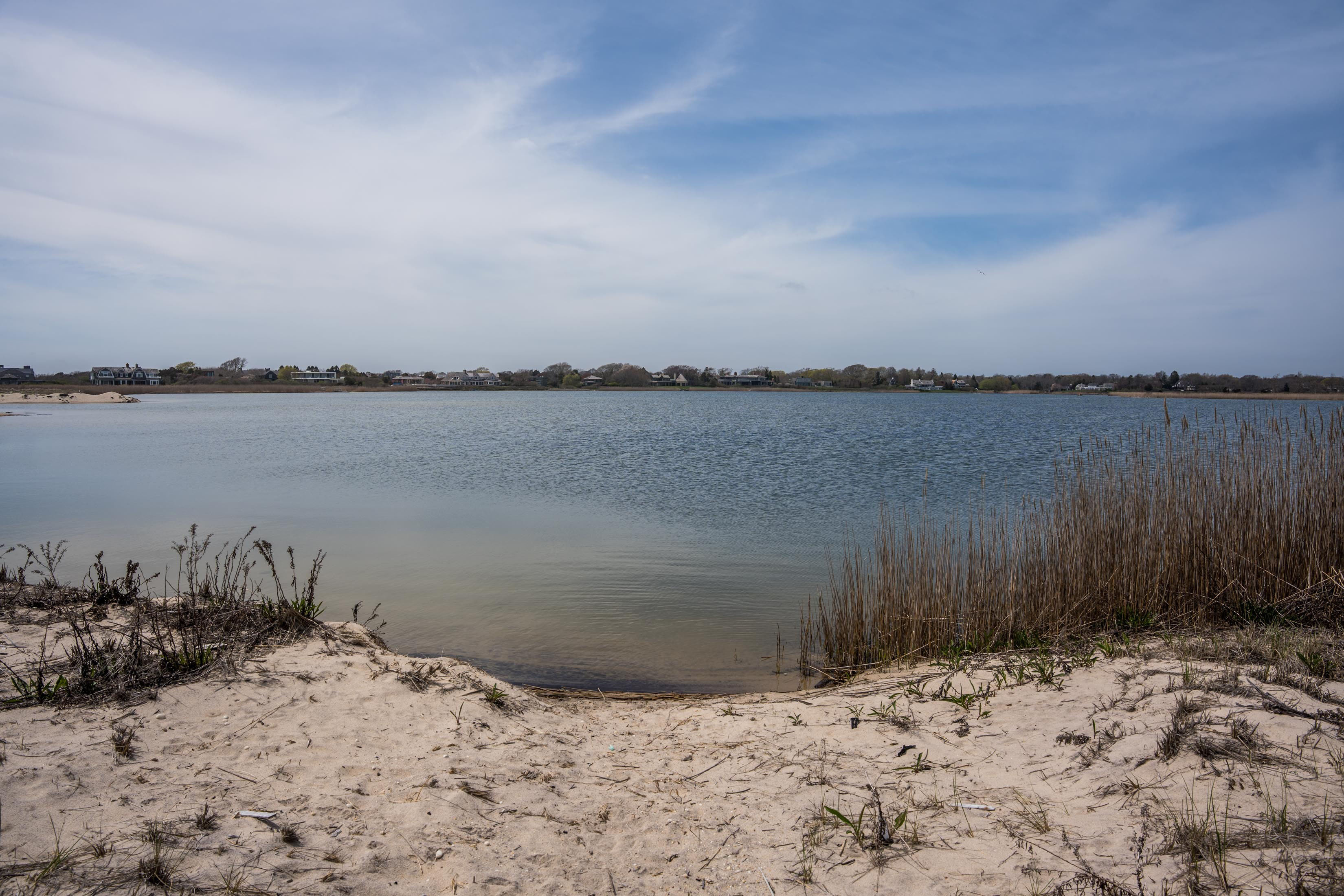
The July Fourth weekend is expected to bring millions of people to the nation's beaches, but some areas may pose a hidden danger due to the presence of flesh-eating bacteria in the water.
Researchers have discovered Vibrio vulnificus, a deadly bacteria that can cause tissue death and systemic sepsis, in several coastal locations across New York's Long Island. The bacteria can enter open wounds and cause serious illness, with a mortality rate of about 1 in 5 people infected.
The risk of such public threats is mounting due to climate change, which is expanding the territory of certain pathogens. However, researchers say there's another concern: the Trump administration's cuts to programs and agencies that prevent, track, and respond to health hazards.
The administration has cut investments in programs that monitor ocean waters and yield data that helps predict conditions that can allow the bacteria to flourish. Researchers have used this data to study Vibrio, which can multiply rapidly when water temperatures and salinity increase.
According to a fact sheet by the Centers for Disease Control and Prevention, Vibrio vulnificus can cause tissue death and systemic sepsis, with "many people" getting seriously ill and needing intensive care or limb amputation.
The administration's cost-cutting initiatives have also disrupted global health programs. The President's Malaria Initiative, a George W. Bush-era program aimed at combating malaria in hard-hit countries, has been severely impacted. The program has saved over 11 million lives since 2005, but the Trump administration has cut funding and terminated grants for global malaria programs.
The life-threatening infectious disease spread by mosquitoes was eradicated from the U.S. in 1951, but the CDC's updated guidance on investigating domestic cases warns that "the country remains susceptible to malaria reintroduction." An outbreak in 2023 resulted in 10 people becoming infected locally, and mosquitoes capable of transmitting malaria are found throughout most of the country.
The administration's cuts to funding and staffing are also having implications for the detection and response to diseases. The U.S. Agency for International Development has lost over $300 million in funding, and more than 20,000 employees are gone from the USDA, which develops and implements agriculture policy.
The dismantling of USAID has also had implications for the Ebola outbreak in the Democratic Republic of Congo. Funding cuts have left the region "dangerously exposed," according to aid workers. The U.S. government continues to move aggressively to contain the outbreak at its source, but the decision to disengage with the World Health Organization has been criticized by health leaders.
The Trump administration's cuts to surveillance programs are also having implications for the detection and response to diseases. The federal government has tracked Vibrio cases as part of the FoodNet program, but reporting on cases of Vibrio is now optional. Close to half of the cases of foodborne illness caused by Vibrio vulnificus have resulted in death, and some within 24 hours after consumption of tainted shellfish.
The CDC estimates that about 80,000 cases of Vibrio infection occur annually, with infections from the most severe species steadily rising. Over the past five years, that species has led to 429 cases due to infections of open wounds and 135 cases from contaminated food.
The administration's decision to cut investments in surveillance programs is having serious implications for the detection and response to diseases. As one expert noted, "The more surveillance you get, you can connect the dots. If a tree falls in the woods and you don't hear it, did the tree fall? It's easier not to report diseases."