The United States has launched strikes against Iran following a series of attacks on commercial tankers in the Strait of Hormuz, according to U.S. Central Command.
The U.S. military accuses Iran of attacking the tankers, calling the actions "dangerous and a clear violation of the ceasefire" agreement.
U.S. Central Command forces have begun launching a series of powerful strikes against Iran to impose heavy costs for targeting and attacking commercial shipping crewed by innocent civilians in an international waterway.
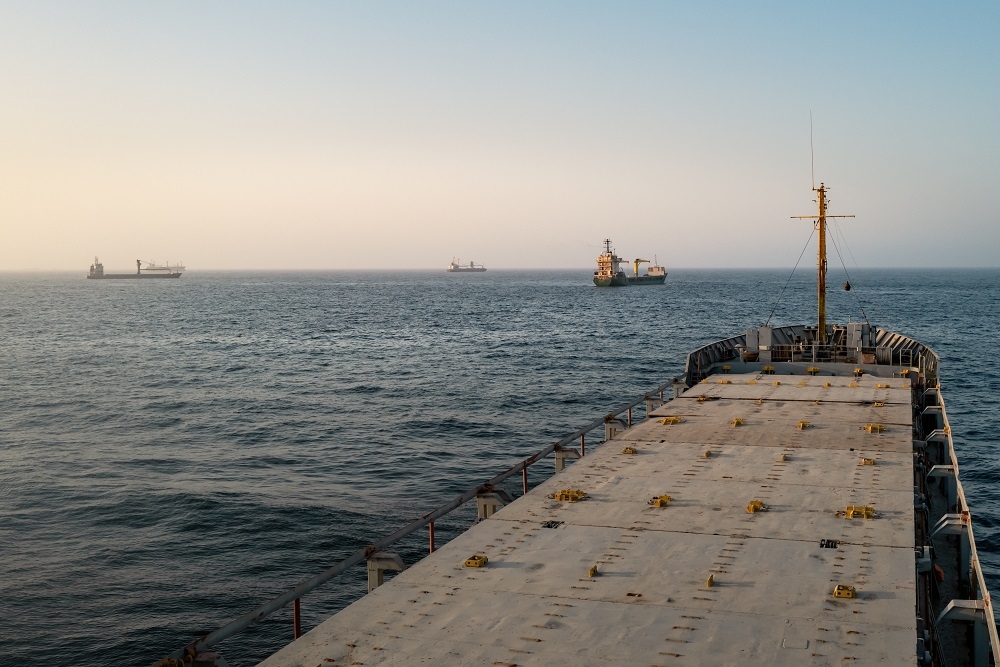
The U.S. strikes are in response to Iranian attacks on three commercial vessels that were transiting the Strait of Hormuz.
Iran's demonstrated aggression was unwarranted, dangerous, and a clear violation of the ceasefire, according to the U.S. military.
The U.S. has also revoked a temporary waiver on Iran oil sanctions, while Tehran negotiates with Washington over ending the war.
The U.S. Treasury Department cancelled a license that allowed Iran to produce, sell and deliver crude and oil-related products through to August 21.
An American official speaking on condition of anonymity stated that Iran's actions in the strait were wholly unacceptable to the United States and will be met with consequences.
The official added that the U.S.-Iran memorandum of understanding was "entirely performance based" and that Tehran would only see benefits if it showed "good behavior."
However, the official also noted that U.S. negotiators were continuing to try to hammer out a deal.
Three tankers were struck in the Strait of Hormuz, with one incident involving an "unknown projectile" that hit a tanker, causing a fire.
Two more ships were struck, one likely by a drone, all near Oman, which proposed a temporary transit corridor hugging the coastline.
The vessels were struck near Oman, which proposed a temporary transit corridor hugging the coastline, something that Iran opposes because it wants to impose fees on ships using the waterway.
Qatar said one of its vessels was hit and blamed Iran, calling the attack "unacceptable."
Qatar summoned Iran's deputy ambassador to lodge a complaint, demand an explanation and urge Tehran to "immediately cease any practices undermining regional security."
Oil prices rose by more than 2% as the new attacks renewed worries over global energy supplies and the outcome of the U.S.-Iran agreement.
The situation in the region remains fragile, with potential alternatives to an Iranian toll or fee system being explored.
Iran is sending a clear signal that no alternative will be accepted, according to a security expert at King's College London.