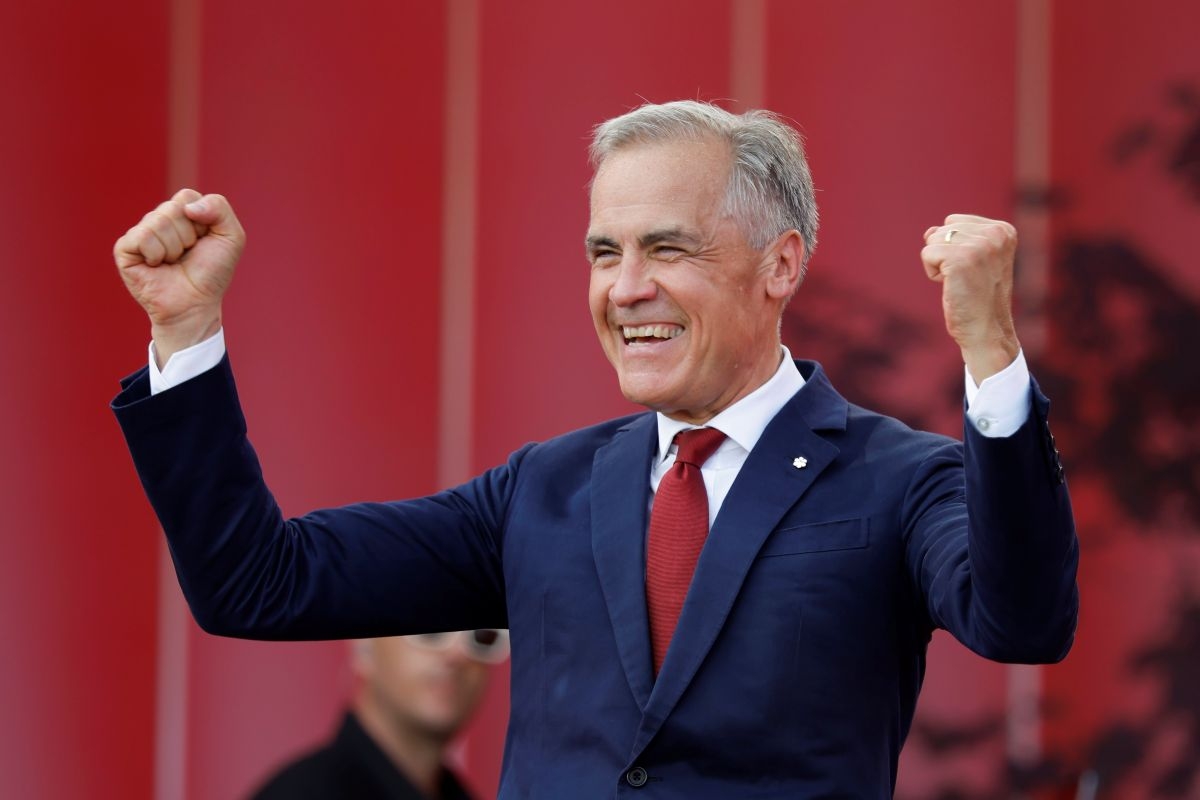
The United Arab Emirates' offer to invest $70 billion in Canada over the coming years was a surprise move when Prime Minister Mark Carney visited the country last November. The Prime Minister's trip was focused on expanding trade, but the Emiratis took him by surprise with their significant investment proposal.
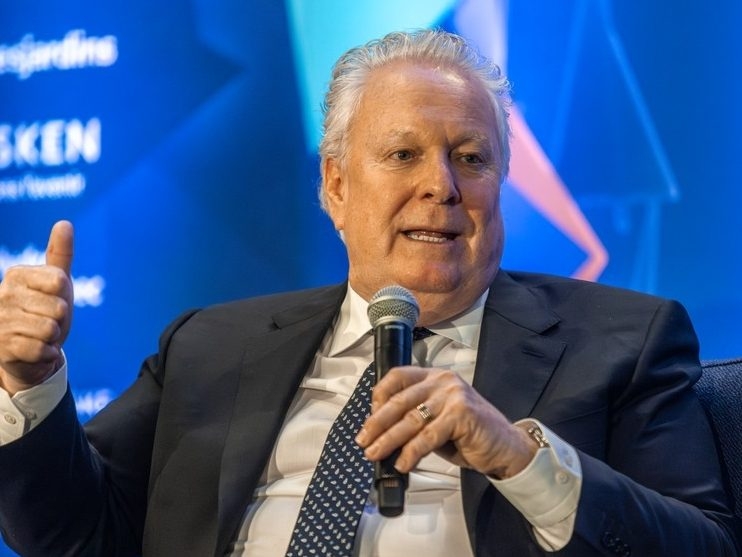
Former Quebec Premier Jean Charest, who was present during the meeting, described the offer as unexpected and lacking in specifics. Charest, who is now the co-chair of the Canada-U.A.E. Business Council, explained that the Emiratis were interested in investing in areas such as energy, strategic minerals, and infrastructure, but no concrete projects were discussed.
Contrary to a headline in the Financial Times suggesting that the investment was paused, Charest clarified that the U.A.E. officials were not deterred by the lack of shovel-ready projects. He noted that the Major Projects Office, which is responsible for reviewing investment proposals, had no projects that were ready for investment. However, Charest emphasized that the office is looking at several other projects that could be potential investment opportunities.
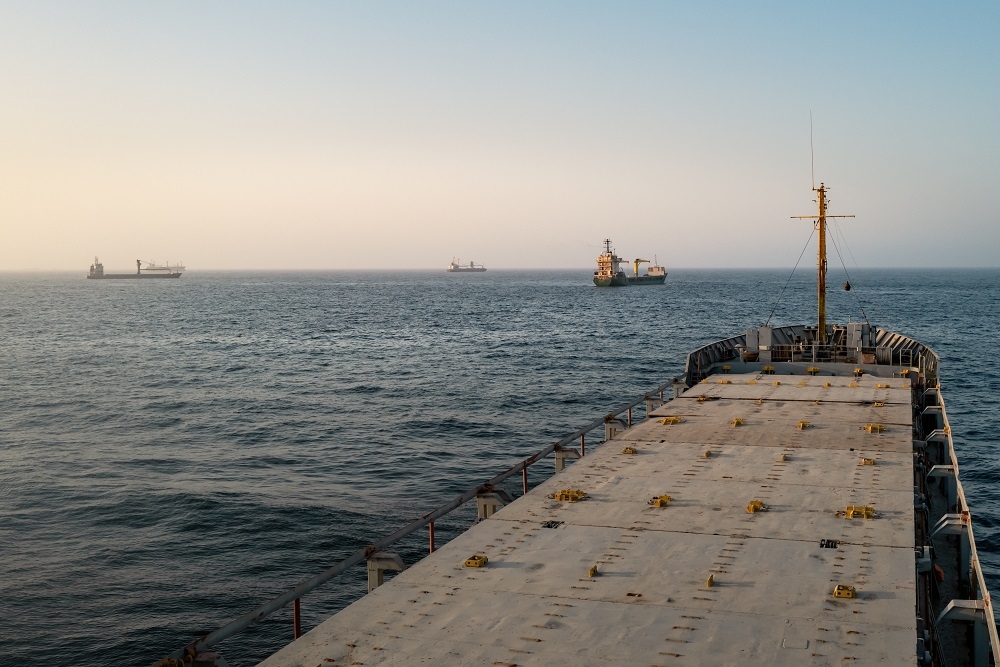
Charest pointed to the expansion of the port in Contrecoeur, Quebec, as a possible investment spot. The port is currently undergoing a $2.3-billion expansion project that is expected to create thousands of jobs. Dubai-based DP World, a company that handles a significant portion of global container ship traffic, has already signed onto a deal to manage container traffic at the port.
The U.A.E. has already invested in several Canadian firms, including Mubadala Investment Company's purchase of C.I. Financial and Canada Cartage. Sovereign wealth funds from the U.A.E. have significant investments in Canada, particularly in Alberta, where they have ties to the oil industry.
Coming September, U.A.E. investment officials will be back in Canada for an investment summit hosted by Prime Minister Carney. The summit aims to catalyze $1 trillion in total investment in Canada over the next five years. Charest debunked the notion that the U.A.E. is walking away from its plans to invest, describing it as "fake news."